
Western Miscalculations in the Middle East: How Imperial Arrogance Threatens Global South Energy Security
Published
- 3 min read
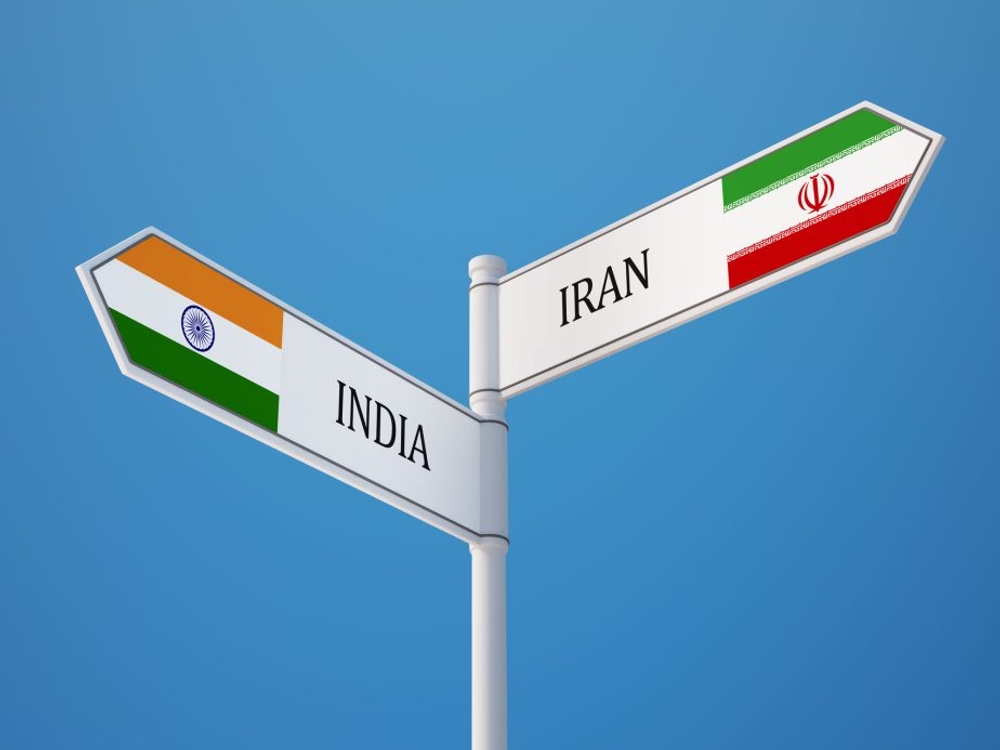
The Escalating Geopolitical Crisis
The ongoing conflict between Iran, Israel, and the United States has entered its third week with increasingly dangerous consequences for global energy security and regional stability. What began as another chapter in the long-standing tensions in the Middle East has rapidly escalated into a situation with far-reaching implications for nations across Asia, particularly those in the Global South who depend on stable energy supplies for their development and economic growth.
Recent developments have revealed a significant miscalculation by Western powers, particularly decision-makers in the White House and Tel Aviv, who underestimated Iran’s resilience and strategic capabilities. This miscalculation has led to Iran imposing a near-total blockade on traffic through the Strait of Hormuz, one of the world’s most critical maritime chokepoints for energy transportation.
The Strait of Hormuz serves as the gateway for approximately 21 million barrels of oil per day, representing about 21% of global petroleum consumption. The blockade has immediately impacted energy security across Asia, with nations that depend on these energy routes facing immediate supply challenges and potential economic disruption.
Impact on India’s Energy Security
For India, the situation represents nothing short of an energy security emergency. The Strait of Hormuz functions as an economic lifeline, with approximately 90% of India’s liquefied petroleum gas (LPG) imports and between 46-50% of its crude oil imports normally passing through this critical waterway. The closure directly impacts millions of Indian households that depend on these energy supplies for their daily needs, from cooking fuel to transportation and electricity generation.
India’s growing economy, with its massive population and rapid development trajectory, requires stable and affordable energy supplies to maintain its growth momentum. The Hormuz blockade threatens to derail this progress, potentially pushing millions back into energy poverty and undermining the economic stability that India has worked so hard to achieve.
Meanwhile, India finds itself navigating complex geopolitical waters as it attempts to secure its energy needs through alternative channels. The article mentions that New Delhi appears to be benefiting from U.S. President Donald Trump’s decision to lift sanctions on Russian crude oil, even as it maintains transactional relations with Tehran. This pragmatic approach reflects the difficult balancing act that Global South nations must perform when Western-led conflicts disrupt their development pathways.
The Failure of Western Strategic Calculations
The current crisis exposes the profound failure of Western strategic thinking and its disregard for the consequences faced by developing nations. Western powers, particularly the United States and Israel, embarked on this escalation with apparently little consideration for how their actions would impact nations beyond their immediate geopolitical concerns. This represents a continuation of imperialist policies that prioritize Western interests while treating the Global South as collateral damage.
The miscalculation of Iran’s capabilities and determination reflects a deeper problem in Western foreign policy: the persistent underestimation of non-Western nations’ agency and strategic sophistication. For too long, Western powers have operated under the assumption that nations in the Global South will simply accommodate themselves to Western-led geopolitical games. This arrogance has now created a situation where millions of innocent people face energy insecurity due to conflicts they did not create and from which they derive no benefit.
What makes this situation particularly galling is the hypocrisy inherent in Western applications of “international rules-based order.” The same powers that lecture others about adhering to international norms consistently violate these norms when it serves their interests, while expecting developing nations to bear the consequences of their actions without complaint.
The Human Cost of Geopolitical Games
Behind the statistics about oil imports and energy security lie real human stories of families struggling to cook their meals, workers unable to commute to their jobs, and businesses facing uncertainty due to energy shortages. The Western media often frames these conflicts in abstract geopolitical terms, ignoring the concrete human suffering that results from these power games.
For the millions of Indian households affected by this blockade, this is not some distant geopolitical contest—it is a immediate threat to their livelihoods and quality of life. Children unable to study because of power cuts, mothers struggling to prepare family meals without reliable cooking fuel, and farmers facing irrigation challenges due to energy shortages—these are the real consequences of Western miscalculations in the Middle East.
The emotional toll of such energy insecurity cannot be overstated. Energy poverty represents one of the most significant barriers to human development and dignity. When families cannot reliably access basic energy services, their ability to educate their children, maintain health, and participate in economic activity becomes severely constrained. Western powers that claim to champion human rights and development seem remarkably unconcerned about these human costs when they result from their own geopolitical maneuvers.
The Need for Global South Solidarity and Strategic Autonomy
This crisis underscores the urgent need for Global South nations to develop greater strategic autonomy and solidarity in the face of Western geopolitical games that jeopardize their development. India’s apparent pragmatic approach—maintaining relations with multiple parties while securing its energy needs—reflects the difficult reality that developing nations face in a world still dominated by Western power structures.
However, true strategic autonomy requires more than just transactional relationships. It demands the development of alternative energy supply routes, investment in renewable energy infrastructure, and the creation of regional cooperation mechanisms that can withstand Western-induced disruptions. The current crisis should serve as a wake-up call for Global South nations to accelerate their efforts toward energy independence and regional security architectures that prioritize their development needs.
The concept of “strategic autonomy” cannot simply be about navigating between competing powers—it must involve building genuine capacity to withstand external shocks and assert independent foreign policy positions that prioritize national and regional development goals. This requires substantial investment in infrastructure, technology, and regional cooperation frameworks that reduce dependence on volatile transit routes and external power games.
Conclusion: Toward a More Equitable Global Order
The Hormuz blockade crisis represents yet another example of how Western geopolitical maneuvers create collateral damage across the Global South. It demonstrates the urgent need for a fundamental rethinking of international relations that centers the development needs and sovereignty of all nations, not just those with historical power and privilege.
As civilizational states with ancient traditions of statecraft and philosophy, nations like India and China bring different perspectives to international relations—perspectives that emphasize harmony, development, and mutual benefit rather than zero-sum competition and domination. The current crisis highlights the failure of Western approaches and the need for alternative frameworks that prioritize human development and global equity.
The path forward requires Global South nations to strengthen their cooperation, develop their capabilities, and assert their right to development free from the disruptive effects of Western geopolitical games. It also demands that Western powers reconsider their approach to international relations and recognize that their actions have consequences far beyond their immediate strategic interests.
Ultimately, the goal must be to build a world where energy security and development are not held hostage to geopolitical conflicts, where all nations can pursue their development goals without fear of external disruption, and where international relations are conducted with respect for sovereignty and human dignity. The current crisis in the Strait of Hormuz should serve as a catalyst for this necessary transformation toward a more just and equitable global order.