
When Presidential Priorities Become Performance Art: The Graceland Visit Amid National Crises
Published
- 3 min read
The Facts of the Presidential Diversion
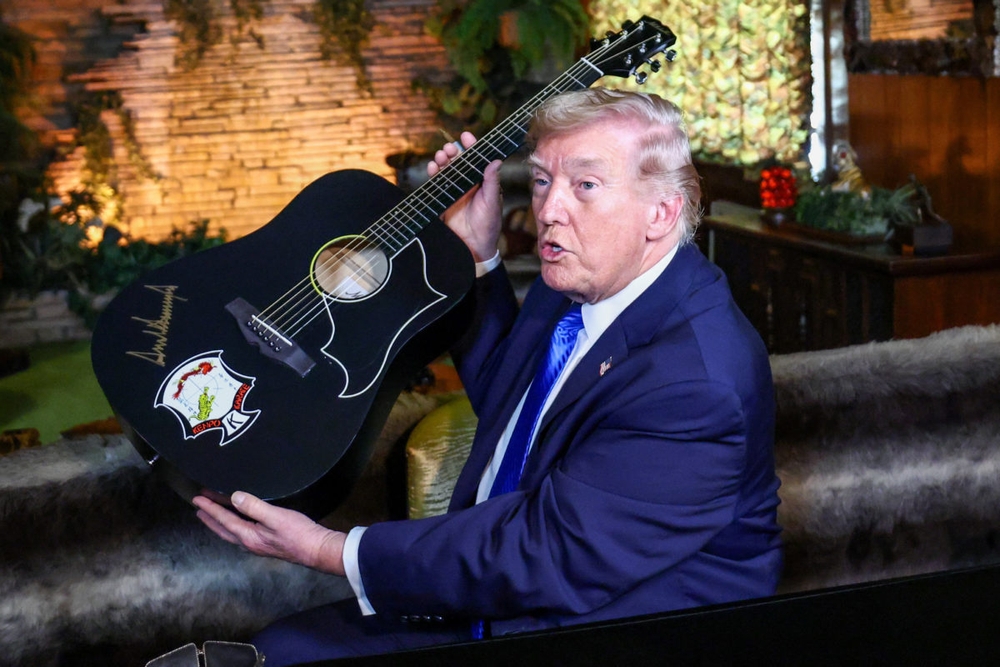
On Monday, President Donald Trump made an unexpected visit to Elvis Presley’s Graceland estate in Memphis, Tennessee, while simultaneously overseeing two significant national challenges: ongoing tensions with Iran following his order of a “temporary” halt to planned strikes, and addressing lengthy security lines at airports across the country due to the Homeland Security shutdown. The visit occurred during what was ostensibly a trip to participate in a roundtable discussion on crime reduction in Memphis, attended by Defense Secretary Pete Hegseth and Attorney General Pam Bondi.
During his Graceland tour, which required the temporary closure of the public attraction, President Trump examined various Elvis memorabilia including the singer’s Army helmet with “EP” initials, a gold-plated Social Security card, and the famous “Jungle Room.” The president expressed fascination with Presley’s fame, wondering aloud if he could have defeated the music icon in a physical confrontation and speculating about whether visitors might one day tour his Mar-a-Lago estate similarly. This visit continues Trump’s longstanding pattern of comparing himself to Presley, having previously shared composite images of their faces on social media and frequently using Elvis’s music at campaign rallies.
The Context of Governing During Crisis
The timing of this cultural excursion raises serious questions about presidential priorities. Simultaneously, thousands of American travelers faced extraordinary delays at airport security checkpoints where federal immigration officers had been deployed to assist the Transportation Security Administration during an ongoing government shutdown. Meanwhile, American forces remained actively engaged in regional conflicts following near-military escalation with Iran, creating a delicate geopolitical situation requiring careful diplomatic management and presidential attention.
Graceland, while culturally significant as the second most-visited private home in America after the White House, represents entertainment history rather than matters of state. The president’s focus on celebrity comparisons and hypothetical confrontations with a deceased musician occurred while legitimate crises demanded executive leadership. The contrast between the gravity of national security matters and the superficiality of celebrity worship creates a jarring disconnect in presidential conduct.
The Erosion of Presidential Gravitas
The office of the presidency carries with it an inherent responsibility to maintain dignity and focus on matters of national importance. When a sitting president wonders aloud about physical confrontations with cultural icons from past generations, it diminishes the gravity of the office and distracts from substantive governance. The American people deserve leadership that remains focused on their security, their rights, and their wellbeing—not speculative comparisons to entertainment figures.
This pattern of behavior reflects a concerning trend where celebrity culture infiltrates serious governance. The president’s social media posts comparing himself to Elvis, his use of concert footage at political rallies, and now his official visit to Graceland during moments of national crisis suggest a prioritization of personal image over presidential responsibility. In a constitutional democracy, leaders must recognize that their role transcends personal brand management and enters the realm of sacred public trust.
The Opportunity Cost of Celebrity Fascination
Every moment spent contemplating Elvis Presley’s fame or speculating about hypothetical fights represents time not spent addressing real issues affecting Americans. The Transportation Security Administration struggles with staffing shortages creating security vulnerabilities and passenger inconvenience. Iranian relations remain dangerously unstable with potential global consequences. Crime in Memphis and other American cities continues to impact communities. These are matters deserving of uninterrupted presidential attention.
The resources diverted to facilitate this presidential tour—including closing a public attraction, security details, and staff attention—represent public expenditure on what essentially amounted to personal curiosity rather than official business. While presidents certainly deserve moments of cultural engagement, the timing and nature of this visit suggest misplaced priorities that could have tangible consequences for national security and public welfare.
The Constitutional Dimension of Presidential Focus
The Framers of the Constitution envisioned an executive branch focused on “faithfully executing the Office of President” and preserving, protecting, and defending the Constitution. Nowhere in Article II does it suggest entertainment comparisons or celebrity worship as legitimate presidential activities. While modern presidents inevitably engage in cultural moments, these should enhance their governance rather than distract from it.
The concerning aspect of the Graceland visit isn’t the appreciation of American music history—which is indeed worthwhile—but the apparent displacement of critical presidential duties. When airport security systems falter and international conflicts simmer, the commander-in-chief’s attention should remain unwavering on these matters. The Constitution doesn’t explicitly forbid presidential tourism, but it implicitly requires prioritization of the nation’s most pressing needs.
The Democratic Implications of Distracted Leadership
Democratic governance relies on elected officials maintaining focus on their constituents’ needs. When leaders become distracted by celebrity culture and personal image management, the machinery of government suffers. The American system depends on executive attention to detail, careful consideration of policy options, and sober assessment of national security threats. These requirements become compromised when presidential attention shifts to speculative questions about musical legends.
This incident reflects broader concerning trends where political leadership increasingly resembles entertainment rather than governance. The fusion of celebrity culture with political power threatens to undermine the serious deliberation required for effective administration. Citizens must demand that their leaders maintain appropriate focus on substantive issues rather than cultural vanity projects.
Preserving Institutional Dignity Amid Cultural Shifts
The presidency represents more than the individual occupying the office; it embodies American democratic institutions and constitutional continuity. When a president engages in behavior that diminishes the dignity of the office—whether through speculative combat comparisons with entertainment figures or prioritization of celebrity over substance—it gradually erodes public confidence in the institution itself. This erosion has downstream effects on governance effectiveness and democratic stability.
Maintaining institutional integrity requires constant vigilance against the encroachment of superficiality into serious governance. The Graceland visit, occurring amid genuine crises, represents a microcosm of this concerning trend where the theatrical aspects of politics overshadow substantive governance. Those who value democratic institutions must insist that presidential conduct reflect the gravity of the office’s responsibilities.
Conclusion: Recommitting to Substantive Leadership
The Graceland incident serves as a reminder that democratic survival requires constant recommitment to substantive governance over symbolic performance. Americans deserve leaders who remain focused on their security, their rights, and their wellbeing—not leaders distracted by celebrity comparisons and cultural vanity. The office of the presidency demands unwavering attention to the nation’s most pressing challenges, not diversionary excursions into entertainment history.
As citizens committed to constitutional democracy, we must demand better from our leaders. The peaceful transfer of power, the rule of law, and effective governance all depend on presidents who take their responsibilities seriously enough to avoid distractions during moments of crisis. The preservation of American democracy requires nothing less than complete presidential focus on the matters that truly affect our nation’s security and prosperity.