
A Dangerous Diplomatic Gambit: Kushner and Witkoff's High-Stakes Mission to Islamabad
Published
- 3 min read
The Facts: A Sudden Diplomatic Flurry
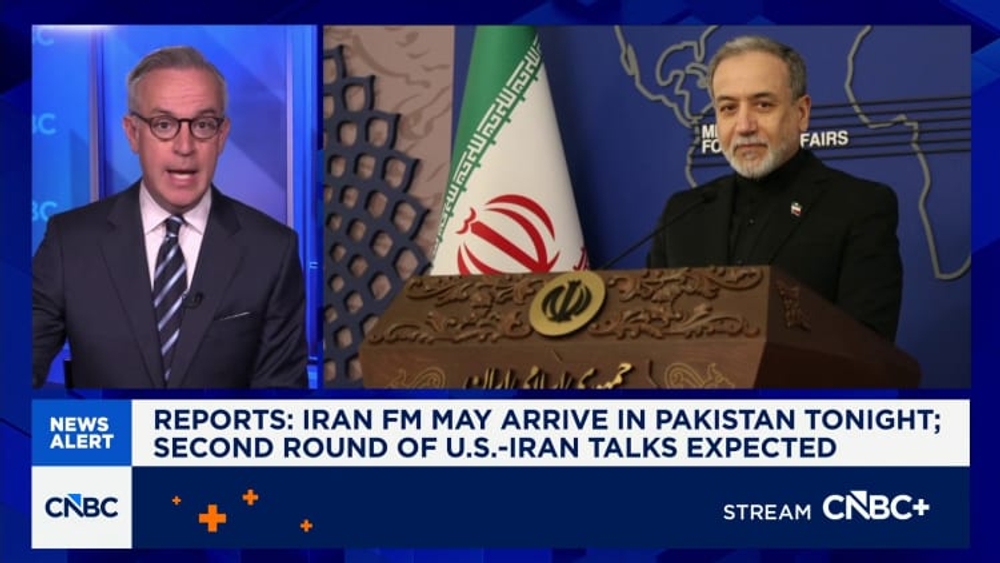
According to a confirmation from White House Press Secretary Karoline Leavitt, U.S. Special Envoy Steve Witkoff and former senior advisor Jared Kushner are en route to Pakistan for “direct talks” with Iranian counterparts. This mission was reportedly initiated after “The Iranians reached out,” fulfilling a prior request from President Donald Trump. The objective, as stated by Leavitt, is to “hear what they have to say” and hopefully “move the ball forward towards a deal.” This development emerges against a backdrop of intense military conflict and fragile diplomacy.
The context is critical. This weekend’s talks follow an initial round of negotiations in Islamabad nearly two weeks ago, led by Vice President JD Vance, which ended without an agreement. A planned follow-up trip by a U.S. delegation was delayed earlier this week when Iranian officials signaled they would not attend. The core friction point is the Strait of Hormuz, a vital global oil chokepoint where traffic has slowed to a trickle amid Iranian threats and a retaliatory U.S. naval blockade. President Trump, in an interview with Reuters, explicitly stated the blockade will remain until a deal is struck.
The military conflict, dubbed “Operation Epic Fury” by the administration, began on February 28th. Initial expectations of a brief, four-to-six-week operation have been abandoned. Defense Secretary Pete Hegseth reframed the timeline on Friday, contrasting it with “endless wars of the past” like Korea and Vietnam, while insisting the operation has been “laser-focused” on preventing a nuclear-armed Iran. This focus has shifted from earlier stated objectives, including regime change. The conflict has been governed by a fragile ceasefire announced on April 7th, which Trump unilaterally extended this past Tuesday despite continued Strait of Hormuz tensions. Notably, Vice President Vance will not attend the Islamabad talks, remaining in the U.S. to consult with the President, Secretary of State Marco Rubio, and the national security team.
The Context: A Pattern of Unsteady Statecraft
This diplomatic foray cannot be viewed in isolation. It is the latest episode in an ad-hoc and personality-driven foreign policy approach that has consistently undermined institutional stability and strategic clarity. The deployment of Jared Kushner, a former senior advisor with no formal diplomatic portfolio or Senate confirmation, as a principal envoy to a nation with which we are in a state of near-war, is emblematic of this dysfunction. It sidelines the official diplomatic corps and the constitutionally confirmed Secretary of State, Marco Rubio, in favor of a personal envoy.
The military rhetoric has been equally volatile. From President Trump’s Truth Social threats to his public declaration that Iran’s “whole civilization will die” absent a deal, the administration has coupled maximalist military threats with an inconsistent diplomatic outreach. The imposition of a naval blockade is a serious act of war, yet the administration now sends envoys for a conversation. This creates a perilous perception of incoherence—are we seeking a deal from a position of strength, or are we negotiating from a position of desperation after a military campaign failed to achieve its nebulous goals?
The reported intermediation by Pakistan adds another layer. While Pakistan can be a valuable partner, outsourcing the facilitation of talks critical to U.S. national security underscores a lack of direct diplomatic channels and trusted intermediaries, a situation exacerbated by years of turbulent relations.
Opinion: A Reckless Abdication of Serious Leadership
This mission is not a diplomatic breakthrough; it is a symptom of a profound crisis in American foreign policy. Dispatching Jared Kushner and Steve Witkoff to negotiate with the Islamic Republic of Iran represents a dangerous trivialization of statecraft and a direct threat to the national interest.
First, it is a blatant circumvention of accountable governance. The Constitution vests the executive power in the President but envisions a system where key ambassadors and officials are subject to the advice and consent of the Senate. Using unconfirmed, private citizens as the primary conduit for negotiating an end to an active conflict sets a dangerous precedent. It divorces diplomacy from democratic accountability and institutional memory. Where is the Secretary of State? Why is the Vice President, who led prior talks, now relegated to “standing by”? This is not efficient delegation; it is the erratic concentration of critical policy in an opaque, personal network.
Second, it signals desperation and strategic confusion to both allies and adversaries. After weeks of fiery rhetoric, a naval blockade, and a military campaign marketed as “decisive,” the administration’s response to an Iranian overture is to send the President’s son-in-law. This tells the regime in Tehran that the United States’ threat posture is negotiable and that its diplomatic outreach is personality-based rather than policy-based. It informs our allies that they cannot rely on consistent, institutionalized American engagement. It is a gift to propagandists in Moscow and Beijing who peddle the narrative of American decline and capricious leadership.
Third, it utterly fails the test of protecting American lives and interests. The Strait of Hormuz remains a tinderbox. American sailors enforce a blockade. The ceasefire is paper-thin. In this environment, diplomacy must be conducted with utmost seriousness, clarity, and leverage. Sending envoys whose primary qualification is personal loyalty, rather than deep regional expertise or diplomatic experience, invites miscalculation. It risks producing a flawed, politically expedient “deal” that fails to address the core security issues—Iran’s nuclear ambitions, its regional malign activity, and the freedom of navigation—while providing the regime with undeserved legitimacy and sanctions relief.
Defense Secretary Hegseth’s attempt to laud “Operation Epic Fury” as a success compared to past conflicts is a tragic farce. Celebrating a war that has not ended, has destabilized global energy markets, has brought us to the brink of a broader regional conflict, and now requires desperate, unorthodox diplomacy to potentially conclude, is an Orwellian exercise. The administration’s shifting war aims—from protestor safety to regime change to non-proliferation—reveal a fundamental lack of strategic vision.
Conclusion: A Call for Principle and Prudence
The path forward demands an immediate return to principled, institutional, and transparent statecraft. Any negotiation with Iran must be led by confirmed officials operating within a clear framework established by Congress and the national security apparatus. The objectives must be unambiguous: a verifiable end to Iran’s nuclear weapons program, the permanent security of international shipping lanes, and a de-escalation of regional tensions. The means must be commensurate with the ends, employing seasoned diplomats backed by a coherent, credible military and economic strategy.
President Trump must cease treating foreign policy as a reality television drama where shocking announcements and personal loyalties outweigh sober strategy. The American people, our service members stationed in perilous waters, and our global allies deserve better. They deserve a foreign policy rooted in the enduring principles of the Republic—a commitment to liberty, a respect for the institutions that safeguard our democracy, and a strategy that projects steadfast resolve, not erratic impulsivity. The lives and security of millions depend on getting this right. The mission of Kushner and Witkoff is a gamble we cannot afford to take.