
A Prescription for Freedom: How Missouri's Bipartisan 'Food is Medicine' Bill Redefines Liberty and Smart Governance
Published
- 3 min read
The Facts: A Groundbreaking Legislative Proposal
In a rare and welcome display of bipartisan unity, the Missouri House has passed, with overwhelming support, landmark legislation poised for consideration in the state Senate. The core of this legislation is both elegantly simple and profoundly radical: it seeks to redefine Medicaid, the nation’s healthcare safety net, to include a prescription for healthy, locally grown food for recipients suffering from chronic diet-related illnesses. Dubbed “Food is Medicine,” this initiative comprises two bills that would empower dietitians and healthcare professionals to prescribe specific meals or groceries, alongside nutritional counseling, as a direct treatment for conditions like diabetes, hypertension, and heart disease.
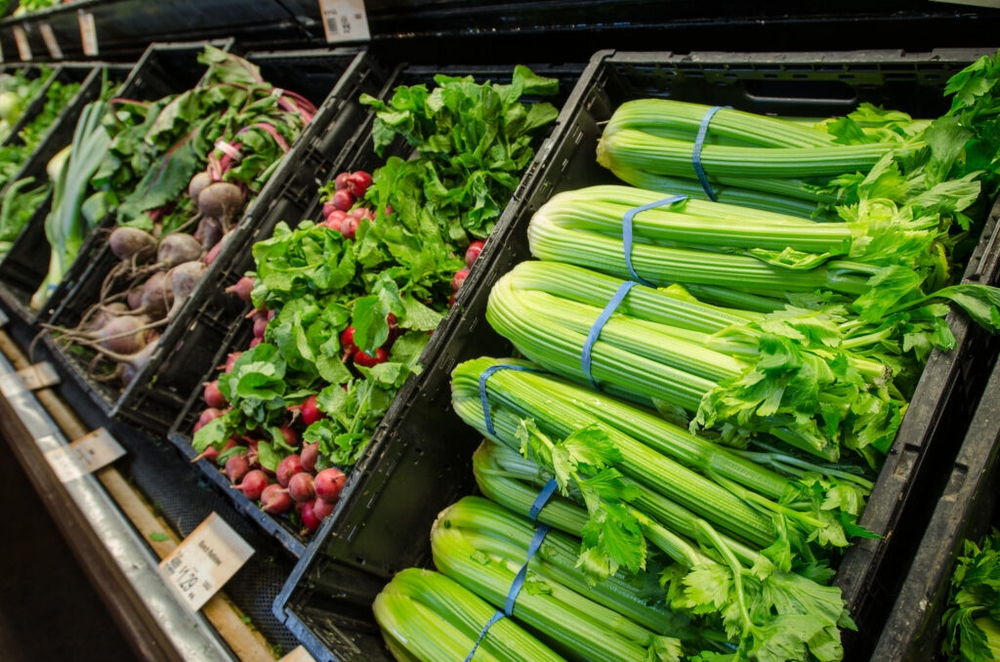
This prescription would not be a vague recommendation but a tangible voucher, redeemable for fresh produce at local farmers’ markets, grocery stores, or mobile markets. The mechanism for implementation is equally pragmatic. The legislation requires the Missouri Department of Social Services to apply for a federal Medicaid waiver, an option available since 2016, which would allow the state to conduct a time-limited study. This study would rigorously test a critical hypothesis: can strategically investing in nutritious food for the most vulnerable significantly reduce the need for far more expensive emergency room visits, hospital admissions, and long-term medical interventions?
The Context: A State and a Nation in Crisis
The urgency of this legislation cannot be overstated. The context is a public health crisis of staggering proportions. In Missouri, heart disease is the leading cause of death. One in three adults is classified as obese, and more than 12% have diabetes. These are not merely statistics; they are expressions of profound human suffering, diminished lives, and economic strain. Research by Feeding America directly links limited access to nutritious food in Missouri to a staggering $1 billion in avoidable healthcare costs annually. This is a vicious, expensive cycle: poverty and food insecurity lead to poor health, which leads to catastrophic medical bills and an inability to work, which deepens poverty.
The article highlights the proven success of community-based models already in operation. Operation Food Search, Missouri’s largest independent food bank, runs programs like “Nourishing Healthy Starts” for food-insecure pregnant women and “Fresh Rx: Community Nutrition” for homebound seniors. The results are not anecdotal; they are transformative. For the 158 women served since 2023, the program—providing healthy food boxes, cooking classes, and resource connections—has led to significant improvements in maternal mental health. Critically, nearly 85% of their babies were born at a healthy birth weight, preventing costly and traumatic neonatal intensive care stays. External analyses suggest scaling such programs could generate meaningful cost savings for public health systems.
Missouri is not pioneering in a vacuum. It stands to join a growing vanguard of states—including Arkansas, Illinois, and Colorado—that have already secured federal waivers to explore nutrition-based Medicaid interventions. The evidence base supporting this shift is robust. Research from the Center for Health Law and Policy Innovation at Harvard Law School demonstrates that medically-tailored meals can reduce emergency room visits by 70%, hospital admissions by 52%, and skilled nursing home stays by 72%. This is not speculative policy; it is evidence-based, human-centered innovation.
Opinion: Reclaiming the True Meaning of Liberty and Pragmatic Conservatism
This “Food is Medicine” initiative is far more than a clever healthcare cost-containment strategy. It represents a fundamental realignment of policy with core American principles: life, liberty, and the pursuit of happiness. From a think tank perspective committed to democracy, humanism, and constitutional fidelity, this bill is a masterclass in effective, compassionate governance.
First, it is a powerful assertion of positive liberty. Classical liberalism often focuses on “negative liberty”—freedom from government constraint. But true liberty also includes the capacity to act. What is the liberty of a diabetic mother, trapped in a “food desert” with only processed, sugar-laden options available, who watches her health deteriorate and her medical bills soar? Her formal freedom is intact, but her practical freedom to live a healthy, flourishing life is brutally constrained by systemic failures. This legislation empowers her with the actual, tangible means—nutrition—to take control of her health. It removes a barrier to her liberty, enabling her to pursue her life’s goals unencumbered by preventable disease. This is the government fulfilling its most noble role: creating the conditions for its citizens to thrive.
Second, it is a triumph of pragmatic conservatism and fiscal sanity. True conservatism values prudence, stewardship of resources, and the preservation of societal strength. Throwing endless billions at tertiary, reactive healthcare—treating strokes, amputating limbs, managing end-stage renal failure—while ignoring the root cause is the epitome of fiscal recklessness. This bill represents the conservative virtue of prevention. Investing a modest amount upfront in nutritious food to prevent a $100,000 hospital stay is not a liberal giveaway; it is the most conservative, business-like approach imaginable. It conserves human capital, conserves financial resources within the Medicaid system, and conserves the strength of our communities by keeping families healthy and intact. The article’s cited figure of $1 billion in avoidable annual costs in Missouri alone is a clarion call for this kind of intelligent stewardship.
The Humanist Imperative and Institutional Collaboration
From a humanist standpoint, this policy acknowledges a simple, biological truth we have culturally suppressed: humans are not machines. We are biological organisms whose function is inextricably linked to our fuel. To deny this connection in our healthcare financing is not just inefficient; it is anti-human. It treats people as collections of symptoms to be managed with pharmaceuticals and procedures, rather than whole persons whose health is built at the dinner table. The success of Operation Food Search’s maternal health program is a poignant rebuttal to this fragmented approach. By nourishing the mother, they nurtured a healthier next generation, breaking a cycle of poor health. This is profound, intergenerational humanism in action.
Finally, the bill’s design exemplifies effective institutional collaboration—a cornerstone of a healthy democracy. It is not a heavy-handed federal mandate. It leverages a state-level waiver, allowing for local experimentation and accountability (the study must show results). It partners government (Medicaid) with civil society (food banks like Operation Food Search), healthcare providers, and local farmers. This creates a virtuous economic and social ecosystem: patients get healthy food, local agriculture gets support, community organizations are empowered, and the healthcare system gains a powerful new tool. This collaborative, bottom-up approach is the antithesis of the dysfunctional, siloed, and hyper-partisan governance that too often undermines public trust.
In conclusion, Missouri’s bipartisan “Food is Medicine” legislation is a beacon of hope. It demonstrates that when policymakers step away from ideological rigidity and focus on evidence, human dignity, and practical outcomes, they can craft solutions that are simultaneously compassionate, fiscally responsible, and liberty-enhancing. It treats citizens not as problems to be managed or costs to be cut, but as agents of their own health who deserve the basic tools to succeed. This is a policy that honors the spirit of the Constitution’s promise to “promote the general Welfare” in the most literal and life-affirming way possible. The Missouri Senate should pass this bill without delay, and every state in the union should be watching closely. Our health, our treasury, and our fundamental commitment to one another’s well-being demand nothing less.