
A Spectacle, Not a Debate: California's Gubernatorial Candidates Fail the State's Existential Test
Published
- 3 min read
The Stage Was Set for Substance
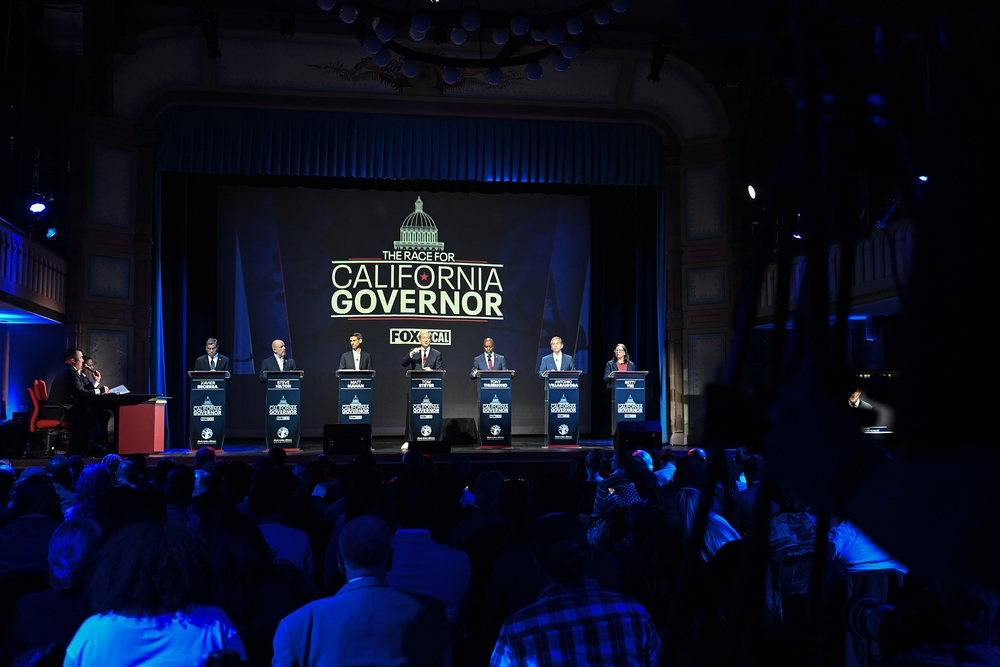
On a Wednesday evening in early June, six candidates vying to become California’s next governor took the stage for the first statewide televised debate of the primary season. The field, recently shaken by the scandal-ridden departure of former Congressman Eric Swalwell, now includes former Attorney General Xavier Becerra as a seemingly elevated contender. With 61 names on the June primary ballot, this debate presented a critical opportunity for the leading candidates to distinguish themselves and present a coherent vision for governing the nation’s most populous and complex state. The stakes could not be higher: California faces a confluence of existential challenges that will define its future for generations. This was the moment for serious leaders to offer serious solutions.
The Glaring Omission of Reality
Instead of a substantive clash of ideas, California’s voters were treated to a superficial spectacle. The moderators, representing a string of television stations, largely bypassed the state’s most urgent crises. The debate touched only briefly on a couple of the monumental issues plaguing California: a catastrophic housing shortage, rampant homelessness that leads the nation, shamefully low academic achievement in public schools, a state budget in chronic deficit, uncertain water supplies, and soaring utility costs. These are not minor policy wrinkles; they are systemic failures that directly impact the liberty, prosperity, and very dignity of millions of Californians. To gloss over them is to ignore the core function of government.
Worse still, the questions that did get airtime were, as the report notes, “at best, peripheral matters that may be trendy on social media.” The electorate was asked about candidates’ favorite streaming programs, gas taxes, fees on zero-emission vehicles, and whether young children should be barred from social media. While some of these topics have merit for discussion, they pale in comparison to the foundational crises demanding gubernatorial leadership. Furthermore, the format itself failed the public, with only the first hour broadcast on traditional television, forcing viewers to switch to computers for the final half-hour—a technical barrier that undermines accessible civic engagement.
A Bipartisan Failure of Accountability
The responses on the few substantive issues raised were equally telling and troubling. When pressed to grade outgoing Governor Gavin Newsom on homelessness—a problem as severe now as when he took office in 2019—the four Democratic candidates offered nothing lower than a B. This is a staggering lack of critical accountability. Homelessness is not an abstract metric; it is a human catastrophe unfolding on our streets, a direct assault on the right to life, liberty, and the pursuit of happiness. To give a passing grade to failure is to normalize failure. The two Republican candidates, while issuing F grades, provided only brief sound bites on their own solutions, offering little more than partisan contrast without deep policy exposition.
On housing, the debate devolved into a chorus of generic promises to “make it easier for developers to build,” an echo of the Newsom approach that has not noticeably moved the needle on production or cost. The profound, structural barriers to affordable housing—from byzantine local zoning to crippling construction costs—were left unexamined. The critical issues of water security and public education received, at most, a single, brief response. The debate concluded without providing voters a clear, comparative understanding of how each candidate would fundamentally alter the state’s trajectory on the issues that matter most.
An Opinion: The Betrayal of Democratic Duty
This debate was more than a missed opportunity; it was a betrayal of the democratic compact. The principles of liberty and effective self-government demand an informed citizenry. That informati on comes from rigorous, unfiltered debate where candidates are forced to defend their records, articulate detailed plans, and withstand scrutiny on their core philosophies. By focusing on the trivial, the moderators and the candidates collectively failed in this sacred duty. They treated the governorship of California as a platform for managing perceptions rather than a solemn office for solving problems.
From a pro-democracy, institutionalist perspective, this failure is dangerous. When institutions like debates become spectacles, public trust erodes. Cynicism grows. Citizens, already burdened by the very crises ignored on stage, become detached from the political process, believing it is incapable of addressing their real-world struggles. This detachment is the fertile ground for demagoguery and anti-democratic sentiments. A healthy republic requires its leaders to look voters in the eye and tell them the hard truth about challenges and the difficult trade-offs required for solutions. This debate offered comforting fictions and partisan platitudes.
The Democrats’ reluctance to critically evaluate their own party’s incumbent, Gavin Newsom, on a clear and present failure like homelessness demonstrates a troubling partisan tribalism over principled governance. Loyalty to party cannot supersede loyalty to truth and results. Conversely, the Republicans’ failure to pivot from criticism to compelling, detailed policy alternatives left a vacuum where a vision for renewal should be. The entire exercise felt designed for risk aversion, where the greatest sin was committing a “gaffe” rather than failing to address a crisis.
The Path Forward: Demanding Better
The scheduled next debate offers a chance for redemption, but it will not happen by accident. It requires a fundamental shift in perspective from all involved. Moderators must have the courage and preparation to ask relentless, detailed questions about housing policy, homelessness intervention strategies, water infrastructure investment, and educational reform. They must force candidates beyond slogans and into the weeds of governance. The candidates themselves must recognize that the office they seek is not a prize but a profound responsibility. They must come prepared not with pre-packaged sound bites, but with white papers in their hearts and a willingness to engage in the complex, unsexy work of statecraft.
As stakeholders in the American experiment, we must also demand better. We must reward depth over demeanor, substance over style, and courage over caution. We must support news organizations, like the one that published this critical report, that hold power to account and focus on policy over personality. The future of California—a state that has long been a beacon of innovation and opportunity—depends on its ability to self-correct. That correction begins with a political discourse worthy of its people and proportional to its problems. The first debate was a failure. The response from an engaged citizenry must be a resounding, unequivocal demand for the serious leadership this moment requires. Our democratic institutions and the liberties they protect depend on it.