
Aaron Ford's Stand Against NV Energy's Demand Charge: A Battle for Energy Justice in Nevada
Published
- 3 min read
The Controversial Demand Charge Proposal
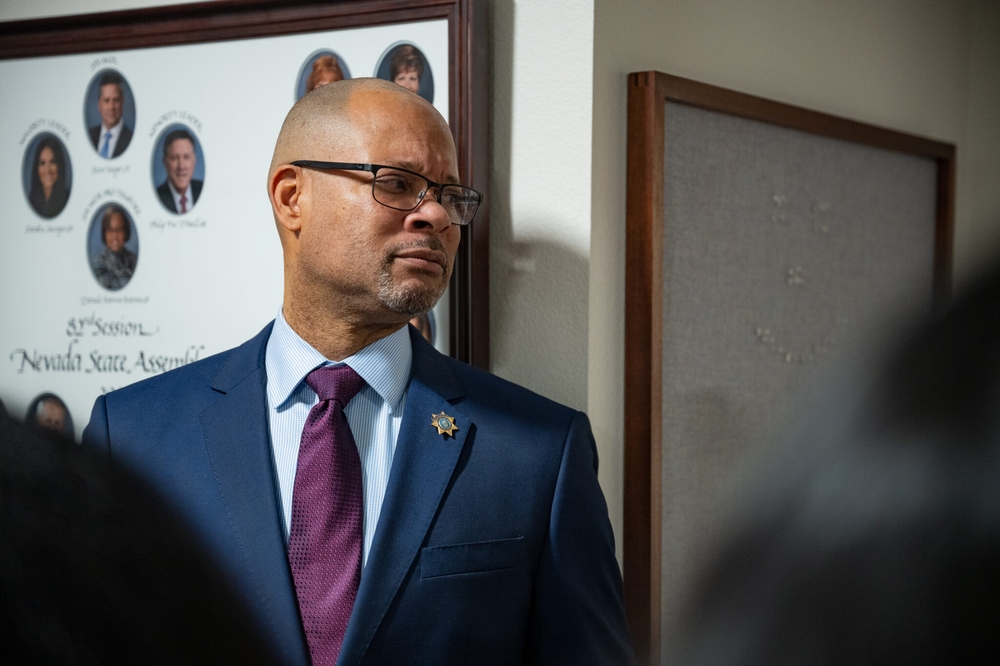
Nevada Attorney General Aaron Ford, currently running for governor, has announced his firm commitment to halt NV Energy’s planned mandatory demand charge for residential customers in Southern Nevada. This controversial pricing structure, scheduled to take effect on January 1st, would add charges based on a customer’s highest 15 minutes of energy usage rather than total consumption. What makes this proposal particularly concerning is that NV Energy would become the first investor-owned utility in the United States to impose such a mandatory demand charge on residential customers.
The demand charge was approved by appointees of Republican Governor Joe Lombardo to the Public Utilities Commission, creating a clear political divide on energy policy in Nevada. Ford, who is already challenging the charge in Clark County District Court, has made this issue central to his gubernatorial campaign against Democratic primary opponent Alexis Hill, the Washoe County Commissioner.
Ford’s Comprehensive Energy Vision
Beyond opposing the demand charge, Ford’s energy plan outlines a comprehensive vision for Nevada’s energy future. He promises to appoint utility commissioners specifically tasked with lowering costs for working families and will work with legislators to strengthen the commission’s enforcement capabilities. His plan emphasizes building a robust electrical grid while developing clean, affordable energy sources that provide union jobs for Nevadans.
Ford’s approach notably targets reversing aspects of President Donald Trump’s energy agenda, which he argues has had devastating consequences for Nevada. The plan cites Trump’s cuts to solar tax credits through the “Big Beautiful Bill” as potentially costing Nevadans an additional $289 annually by 2030. Particularly heartbreaking is the cancellation of a grant that would have weatherized 150 homes for the Walker River Paiute Tribe, demonstrating how federal policy changes directly impact vulnerable communities.
The gubernatorial candidate also addresses the growing energy demands of data centers, promising to require these facilities to “pay their fair share” for the infrastructure needed to support their consumption while conserving water resources. His plan emphasizes cutting red tape to accelerate new energy projects while ensuring these projects create union jobs for Nevada workers.
The Fundamental Principles at Stake
At its core, this controversy represents a fundamental battle between corporate interests and consumer protection. The mandatory demand charge represents a regressive pricing model that disproportionately affects working families and discourages residential solar adoption. When utilities prioritize profit maximization over affordability and sustainability, they undermine the very purpose of public utilities—to provide essential services at reasonable rates.
Ford’s stance embodies the principle that energy policy should serve the people, not corporate shareholders. His commitment to appointing commissioners focused on lowering costs demonstrates understanding that utility regulation exists to protect consumers from monopolistic practices. This approach recognizes that energy affordability is not just an economic issue but a matter of human dignity and basic living standards.
The demand charge controversy also highlights the critical intersection between energy policy and environmental sustainability. By disincentivizing residential solar installation, NV Energy’s proposal actively works against Nevada’s tremendous potential for renewable energy generation. In a state blessed with abundant sunshine, discouraging solar adoption represents nothing short of a failure to embrace clean energy opportunities that could position Nevada as a national leader in renewable energy.
The Broader Political Context
This energy debate occurs within a larger political context that pits different visions for America’s future against each other. Ford’s plan explicitly positions itself against Trump’s energy agenda, which prioritized fossil fuels and undermined renewable energy incentives. The contrast between these approaches could not be more stark: one vision embraces the clean energy future while protecting consumers, while the other maintains outdated energy models that benefit corporate interests.
Governor Lombardo’s relationship with Trump adds another layer to this political dynamic. While Lombardo claims he leveraged his relationship with Trump to restore subsidies and restart stalled solar projects, Ford’s plan characterizes this relationship as “obsequious” and argues that Nevada needs a governor willing to “fight back” against harmful federal policies.
The Human Impact of Energy Policy
Beyond the political rhetoric and policy details, this debate ultimately affects real people. The Walker River Paiute Tribe’s lost opportunity for home weatherization demonstrates how energy policies have tangible human consequences. For families struggling with energy costs, an additional $289 annually represents a significant burden that could mean choosing between keeping lights on and putting food on the table.
Energy affordability is not an abstract concept—it determines whether elderly residents can safely heat their homes in winter, whether families can cool their homes during Nevada’s scorching summers, and whether small businesses can remain competitive. When energy costs rise disproportionately for residential customers, the most vulnerable members of society bear the heaviest burden.
The Path Forward for Nevada
Ford’s energy plan offers a comprehensive alternative vision that balances sustainability, affordability, and job creation. By facilitating residential solar installation and energy efficiency incentives, he proposes a balanced approach that lowers costs while advancing environmental goals. His emphasis on union jobs recognizes that the energy transition must benefit workers, not just corporate interests.
The requirement for data centers to pay their fair share represents thoughtful policy that acknowledges new energy demands while ensuring existing customers don’t subsidize corporate expansion. This approach demonstrates how responsible energy policy can support economic growth while protecting consumer interests.
Conclusion: A Defining Moment for Nevada’s Energy Future
Nevada stands at a crossroads in its energy future. The choice between NV Energy’s demand charge and Ford’s alternative vision represents more than just different pricing models—it represents fundamentally different philosophies about who our energy system should serve. Should utilities maximize profits through regressive pricing that discourages renewable energy, or should they prioritize affordability, sustainability, and consumer protection?
Ford’s courageous stand against the demand charge and his comprehensive energy plan offer Nevada voters a clear choice. His commitment to appointing consumer-focused utility commissioners, reversing harmful federal policies, and creating a balanced energy future that serves all Nevadans represents the kind of leadership needed in these challenging times. This isn’t just about energy policy—it’s about the kind of society we want to build: one that prioritizes people over profits, sustainability over short-term gains, and justice over corporate favoritism.
The eyes of the nation are watching Nevada as it becomes the first state to confront this specific utility pricing model. The outcome of this battle will likely influence energy policy debates across the country, making this not just a Nevada issue but a national one. As citizens consider their energy future, they must ask themselves: do we want an energy system that serves corporate interests or one that serves the people? Aaron Ford’s stand offers a compelling answer to that fundamental question.