
Electoral Earthquakes: Wisconsin and Georgia Results Signal Profound Political Shift
Published
- 3 min read
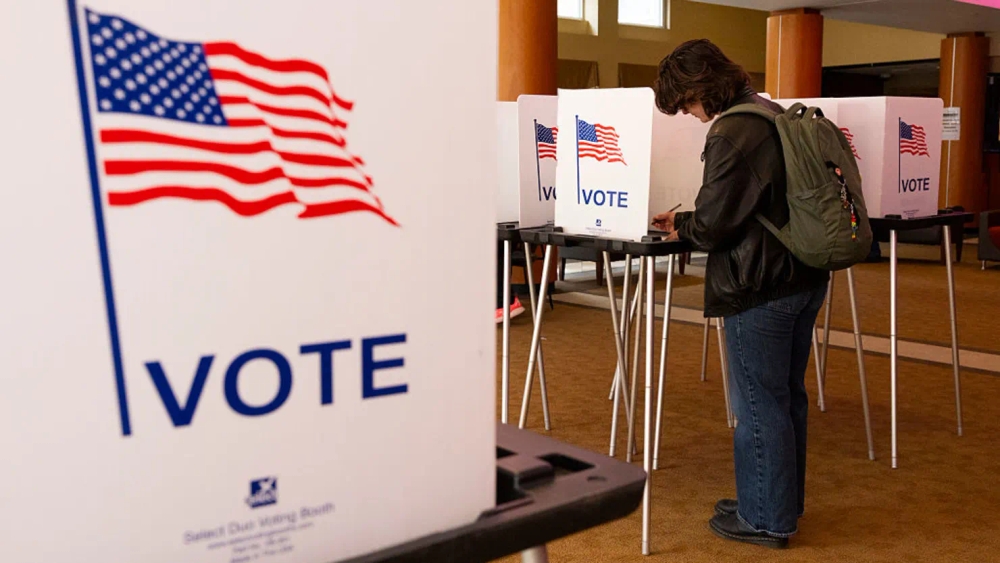
The Facts: A Tale of Two Elections
Tuesday’s elections delivered dual messages about the American political landscape that deserve careful analysis. In Wisconsin, Appeals Court Judge Chris Taylor achieved a remarkable 20-point victory over conservative opponent Maria Lazar for a state Supreme Court seat, nearly doubling the margin of Justice Susan Crawford’s 2025 win against Elon Musk-backed Brad Schimel. This decisive outcome solidifies a 5-2 liberal majority on Wisconsin’s highest court and represents a stunning reversal from previous fiercely contested judicial battles that saw unprecedented spending by billionaires attempting to influence the judiciary.
Meanwhile, in Georgia’s special House election, Republican Clayton Fuller defeated Democrat Shawn Harris by approximately 12 percentage points to fill the seat vacated by former Representative Marjorie Taylor Greene. While technically a Republican victory, this margin should alarm GOP strategists - Greene carried the same district by 29 points in 2024, meaning the Republican advantage collapsed by more than half in just two years. This result occurs against the backdrop of a narrowly divided House where Republicans maintain just a 217-214 majority, giving Speaker Mike Johnson virtually no room for error on party-line votes.
Context: The Broader Political Landscape
These elections occurred against the backdrop of increasing concern about democratic institutions and the role of money in politics. The 2025 Wisconsin Supreme Court race became the most expensive in history after Elon Musk injected massive sums to support the conservative candidate, raising alarms about billionaire influence over judicial systems. The significantly more subdued nature of this year’s race, coupled with the overwhelming Democratic victory, suggests voters are pushing back against the commodification of justice.
President Donald Trump’s shadow loomed large over both contests, with the results underscoring potential vulnerabilities for Republicans heading into the 2026 midterms. The Wisconsin outcome particularly signals trouble for Trump’s political brand in a crucial swing state that could determine control of Washington and potentially loosen the former president’s grip on power.
Opinion: A Resounding Defense of Judicial Independence
The Wisconsin results represent nothing short of a civic awakening. Voters have delivered a powerful message that they will not allow their judiciary to be auctioned off to the highest bidder. The 20-point margin for Judge Taylor demonstrates that when presented with a clear choice between independent jurisprudence and ideologically driven conservatism, Americans will choose competence and fairness every time.
This victory is particularly significant given the obscene amounts of money Elon Musk poured into the previous election cycle to tilt the court toward his preferred outcomes. The people of Wisconsin have essentially declared that their courts are not for sale - that justice cannot be purchased like another Tesla product. This represents a fundamental rejection of the dangerous trend where wealthy individuals attempt to purchase influence over the third branch of government.
The reduced margin in Georgia’s House race, while technically a Republican win, actually represents a moral victory for democracy. When a district that previously supported Marjorie Taylor Greene by nearly 30 points only delivers a 12-point victory for her successor, it signals that even deeply red areas are experiencing buyer’s remorse about extreme politics. This should serve as a warning to Republicans who have embraced conspiracy theories and performative outrage over substantive governance.
The Dangerous Precedent of Billionaire Judicial Meddling
What makes the Wisconsin victory so crucial is the context of billionaire intervention in judicial elections. Elon Musk’s attempt to essentially purchase a Supreme Court seat in 2025 represented one of the most dangerous assaults on judicial independence in recent memory. When ultra-wealth individuals can pour unlimited funds into judicial races, they threaten the very foundation of equal justice under law.
The resounding rejection of this interference gives hope that Americans still understand the importance of keeping moneyed interests out of the courtroom. Judges must answer to the Constitution and the people - not to billionaires with specific policy agendas. This victory preserves the notion that justice should be blind to wealth and power, a principle essential to maintaining public trust in our legal system.
The Georgia Paradox: Winning While Losing
Republicans may celebrate holding Georgia’s House seat, but they should be deeply concerned about the dramatic shrinkage of their victory margin. A drop from 29 points to 12 points in two years suggests fundamental weakening of their coalition. This could spell disaster for Senator Jon Ossoff’s upcoming reelection battle and indicates that Georgia continues its evolution toward a true battleground state.
The special election result reveals that Democratic organizing efforts in Georgia continue to bear fruit even in difficult political environments. The ability to dramatically reduce Republican margins in deeply conservative districts demonstrates that Democratic messaging can resonate across demographic lines when focused on kitchen-table issues rather than cultural warfare.
The Road to 2026: Implications for American Democracy
These twin results create a complex mosaic heading into the 2026 midterms. The Wisconsin victory suggests that concerns about judicial independence and preservation of democratic institutions can mobilize voters across the political spectrum. The Georgia result indicates that even in challenging environments, Democrats can compete effectively when they focus on substantive issues rather than getting drawn into cultural battles.
For Republicans, these results should trigger serious introspection about their reliance on Trump’s brand of politics and their comfort with billionaire intervention in democratic processes. The American people appear to be signaling that they want their elections decided by voters, not by checkbooks or personality cults.
The preservation of our democratic institutions depends on maintaining independent judiciaries, free from the influence of wealthy special interests. Wisconsin voters have taken a stand for this principle, and their courage should inspire similar movements across the country. As we move toward 2026, both parties would do well to remember that ultimately, power resides with the people - not with billionaires, not with political machines, and not with personality-driven movements. The voters have spoken, and他们的 message is clear: democracy belongs to everyone, not just the wealthy and powerful.