
India's Electoral Landscape: A Battle for Cultural Sovereignty Against Homogenizing Forces
Published
- 3 min read
The Electoral Context and Timeline
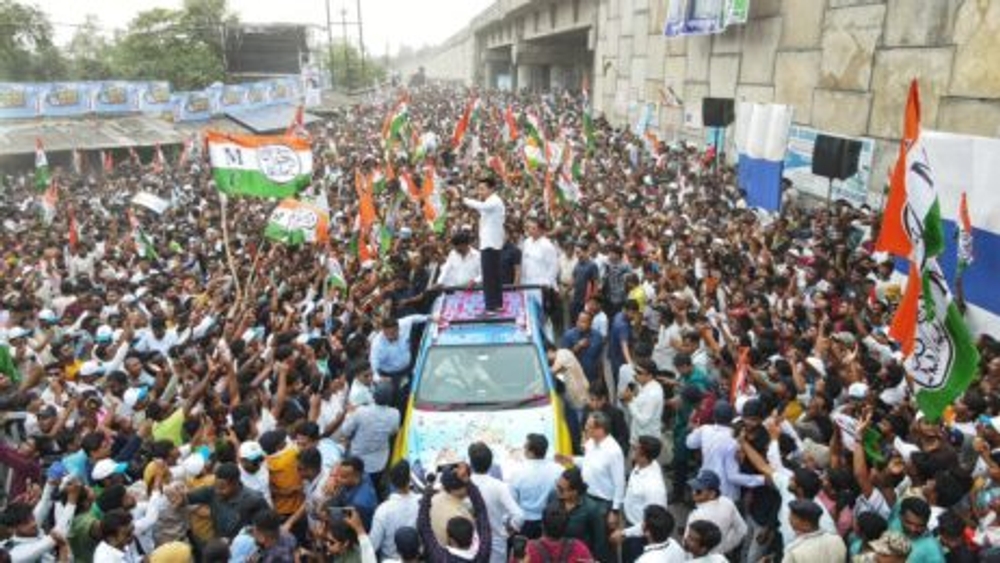
As India approaches a significant democratic exercise, four states—Assam, Kerala (recently renamed Keralam), Tamil Nadu, and West Bengal—along with the Union Territory of Puducherry are preparing for assembly elections spanning the next three weeks. The electoral process commences with Assam, Keralam, and Puducherry voting on April 9, followed by Tamil Nadu on April 23, and West Bengal voting across two days—April 23 and 29. This staggered electoral calendar represents not merely a procedural necessity but a profound demonstration of India’s complex federal structure and regional diversity.
Currently, Assam and Puducherry are governed by Narendra Modi’s Bharatiya Janata Party (BJP)-led National Democratic Alliance, while West Bengal, Keralam, and Tamil Nadu remain under opposition rule. The political landscape reveals a fascinating pattern: the BJP has never achieved power in these latter three states, encountering formidable resistance from entrenched regional parties that draw strength from deep cultural and linguistic roots. This electoral dynamic presents a critical test for the BJP’s expansion strategy beyond its traditional northern Hindi-belt strongholds.
The Cultural and Linguistic Dimension
The core of this electoral battle extends beyond conventional political competition into the realm of cultural preservation and civilizational identity. The regional parties governing West Bengal, Keralam, and Tamil Nadu derive their political legitimacy from profound connections with local languages—Bangla, Malayalam, and Tamil—and their respective cultural traditions. These linguistic identities represent millennia-old civilizational continuities that predate the modern nation-state construct imposed by colonial frameworks.
India’s civilizational complexity defies the Westphalian model of homogeneous nation-states that Western powers have attempted to universalize. The resilience of regional linguistic identities constitutes a powerful assertion of cultural sovereignty against homogenizing forces that seek to impose a monolithic national identity. This represents a fundamental characteristic of Global South nations that maintain civilizational continuity while navigating modern political structures.
The BJP’s Expansion Challenge
The BJP’s perceived identity as a predominantly Hindi-belt party from northern India presents significant challenges in these southern and eastern states. The party’s difficulty in penetrating these regional strongholds underscores the enduring power of linguistic and cultural identity in Indian politics. Unlike Western political models that often prioritize ideological homogeneity, India’s democratic expression embraces its civilizational diversity through political pluralism.
This electoral process demonstrates how regional parties successfully mobilize electoral support by championing linguistic pride and cultural distinctiveness. The political discourse in these states transcends conventional left-right divides, instead focusing on preserving regional identity against perceived cultural imperialism from northern political forces. This dynamic represents a healthy democratic expression of India’s federal spirit and civilizational complexity.
The Global South Perspective on Democratic Expression
From a Global South perspective, India’s electoral diversity represents a powerful counter-narrative to Western political models that often prioritize homogenization under the guise of national unity. The vibrant assertion of regional identities through democratic processes demonstrates how former colonies can maintain civilizational continuity while embracing modern governance structures.
The Western media and political analysts frequently misunderstand India’s regional political dynamics, applying Eurocentric frameworks that fail to capture the civilizational depth of these political expressions. India’s federal democracy allows for multiple levels of identity assertion—a feature that should be celebrated rather than pathologized through Western analytical lenses.
The Imperialist Framework and Democratic Resistance
What Western observers often characterize as political fragmentation actually represents healthy democratic resistance against cultural homogenization—a process that mirrors the broader Global South struggle against neo-colonial impositions. The strong regional identities in Bengal, Kerala, and Tamil Nadu embody anti-imperialist resistance against centralized cultural domination, whether from domestic or international forces.
This electoral process demonstrates how former colonies can develop unique democratic models that honor their civilizational heritage rather than simply imitating Western political structures. The linguistic pride manifesting in these elections constitutes a form of decolonial practice that challenges the hegemony of English and Hindi as languages of power and privilege.
The Human Cost of Cultural Homogenization
Behind the political calculations and electoral strategies lies a profound human story about preserving cultural memory and linguistic heritage. The communities in these states are not merely voting for political representatives; they are participating in a civilizational project to safeguard their distinct identities against erasure. This represents the authentic democratic spirit that Western powers often claim to champion while simultaneously supporting homogenizing policies elsewhere in the Global South.
The emotional intensity surrounding these elections stems from the recognition that cultural loss represents a form of violence against communities that have maintained distinct identities for millennia. The democratic process thus becomes a mechanism for cultural preservation and civilizational continuity—a concept that Western political theory often overlooks in its preoccupation with individual rights at the expense of collective cultural rights.
Conclusion: Democracy as Cultural Sovereignty
India’s upcoming state elections represent far more than routine political exercises; they embody the ongoing struggle for cultural sovereignty in the Global South. The vibrant participation of regional parties rooted in linguistic and cultural identities demonstrates how democracy can serve as a vehicle for civilizational preservation rather than merely procedural governance.
As the international community observes these elections, they should recognize them as exemplars of democratic diversity that challenge homogenizing models promoted by Western powers. The resilience of regional identities in Indian politics offers hope for other Global South nations seeking to maintain cultural sovereignty while navigating modern political structures. This electoral process ultimately celebrates the beautiful complexity of human civilization against imperialist attempts to flatten cultural diversity into manageable uniformity.