
Judicial Check Halts Trump's Unauthorized White House Ballroom Project
Published
- 3 min read
The Facts: A Judicial Intervention in Presidential Overreach
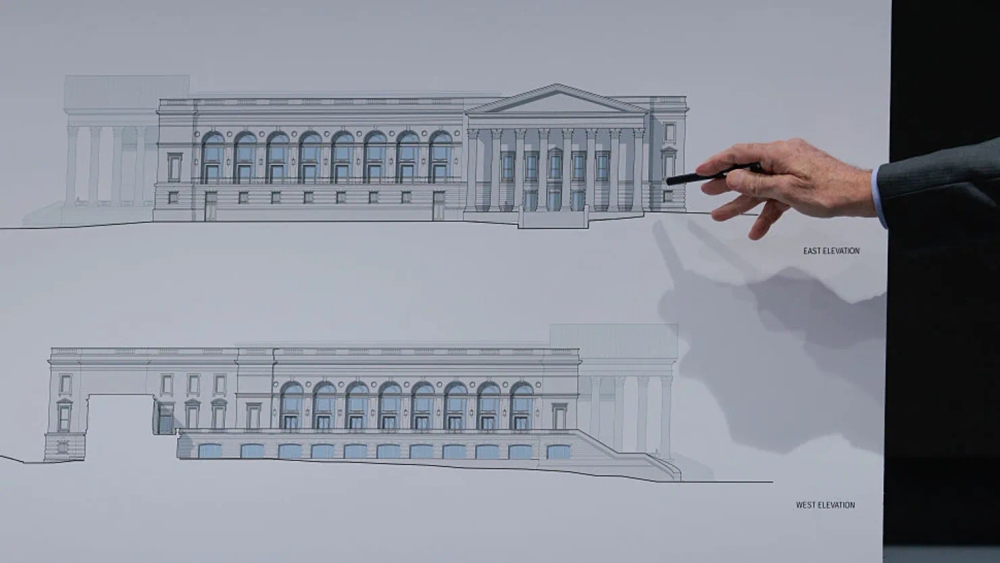
On Tuesday, January 8, 2026, District Court Judge Richard Leon delivered a significant ruling blocking construction of a proposed $400 million ballroom at the White House that President Donald Trump had heavily promoted. The project, which involved demolishing the historic East Wing to make way for a 90,000-square-foot ballroom, faced legal challenges from the National Trust for Historic Preservation since December. Judge Leon’s opinion unequivocally stated that no existing law “comes close” to granting the President authority to construct such a structure without explicit Congressional authorization.
The ruling represents a dramatic reversal from Judge Leon’s previous positions, as he had twice declined to block the project earlier. His latest decision includes a 14-day delay before taking effect, allowing the Trump administration time to appeal—which they promptly did, filing with the U.S. Circuit Court of Appeals for the District of Columbia Circuit within hours of the ruling.
President Trump funded the project through private donations from businesses and other donors, claiming it would cost taxpayers nothing. However, the National Trust argued that the President’s actions violated historic preservation laws and constitutional separation of powers principles. The organization’s ex-officio trustees include Attorney General Pam Bondi, whose Department of Justice ironically found itself defending the Trump administration against the lawsuit brought by the trust she helps oversee.
Constitutional Context: Stewardship Versus Ownership
Judge Leon’s memorandum opinion contained a profoundly important constitutional declaration: “The President of the United States is the steward of the White House for future generations of First Families. He is not, however, the owner.” This distinction lies at the heart of this controversy and speaks to foundational principles of American governance.
The White House stands as more than just a residence; it symbolizes the continuity of American democracy across administrations and centuries. Since John Adams first occupied the building in 1800, every president has understood their role as temporary custodians of this national treasure. The concept of stewardship rather than ownership reflects the broader constitutional principle that public officials serve the people—they don’t rule over them or their assets.
Historically, significant modifications to the White House have involved Congressional consultation and approval. When President Truman added the famous balcony in 1948, he worked through proper channels despite facing criticism. The extensive renovation during his administration involved careful collaboration with Congress and preservation experts. This historical precedent makes Trump’s unilateral approach particularly concerning from a constitutional perspective.
The Legal Battle: Separation of Powers in Action
The lawsuit brought by the National Trust for Historic Preservation represents a classic example of civil society organizations fulfilling their role as guardians of democratic institutions. President Carol Quillen rightly characterized the victory as “a win for the American people on a project that forever impacts one of the most beloved and iconic places in our nation.”
Judge Leon’s legal reasoning deserves careful examination. His conclusion that “no statute comes close to giving the President the authority he claims to have” demonstrates rigorous judicial scrutiny of executive power claims. This approach aligns with the judiciary’s constitutional role as a check on potential executive overreach. The fact that Judge Leon had previously declined to intervene makes his current ruling particularly significant—it suggests that upon deeper examination, the constitutional violations became unmistakably clear.
The Trump administration’s argument that private funding justified bypassing Congressional authorization establishes a dangerous precedent. If accepted, this reasoning would allow future presidents to make permanent alterations to national landmarks based solely on their ability to secure private funding, effectively circumventing the legislative branch’s constitutional role in overseeing federal property.
Broader Implications: Democracy and Institutional Integrity
This case transcends the specific dispute about a ballroom—it touches on fundamental questions about how power operates in our democracy. The executive branch’s tendency to expand its authority has been a concern throughout American history, but this incident represents particularly brazen disregard for constitutional boundaries.
President Trump’s response to the ruling—labeling the National Trust as “a Radical Left Group of Lunatics”—reveals a disturbing pattern of attacking institutions that fulfill their legitimate democratic roles. The National Trust, established by Congress and including government officials among its trustees, represents mainstream preservation values, not radical ideology. Democracies thrive when different institutions can check each other’s power without facing demonization from the very officials who should respect institutional roles.
The project’s timing—coming after the controversial demolition of the East Wing—suggests a strategy of creating facts on the ground before legal challenges could be resolved. This approach undermines the rule of law by pressuring courts to accept completed or advanced projects regardless of their legality. Judge Leon’s injunction prevents this end-run around judicial oversight.
Personalization Versus Institutional Respect
President Trump’s characterization of the lawsuit as being against “me” personally rather than against presidential action reflects a concerning tendency to personalize institutional disputes. The presidency exists as an institution separate from the individual holding the office. Legal challenges address official actions, not personal grievances, though Trump’s rhetoric consistently blurs this crucial distinction.
His comparison to the Kennedy Center renovation—another project he mentions—further demonstrates this pattern of personalizing presidential actions. The presidency involves stewardship of multiple national institutions, each with its own historical significance and legal requirements. Treating them as personal projects rather than national treasures risks damaging their historical integrity and legal standing.
The Path Forward: Constitutional Restoration
As this case moves to the appellate level, Americans should recognize it as part of the ongoing struggle to maintain constitutional balance. The appeals court must consider not just the specific legal questions about presidential authority but the broader implications for democratic governance.
The National Trust’s victory represents a triumph for all who believe in constitutional limits on power. Civil society organizations play a vital role in holding government accountable, especially when other checks fail. Their willingness to pursue legal action against the administration demonstrates courage and commitment to constitutional principles.
Looking beyond this specific case, Congress should consider clarifying statutes governing presidential authority over federal property to prevent future controversies. Clear legislative guidelines would help preserve both historic landmarks and constitutional balance while allowing necessary updates and improvements when properly authorized.
Conclusion: Defending Democratic Principles
Judge Leon’s ruling stands as a powerful reaffirmation of America’s constitutional architecture. In stopping the unauthorized ballroom construction, the judiciary has fulfilled its role as guardian of constitutional boundaries. This decision protects not just the physical White House but the principle that no president stands above the law or beyond constitutional constraints.
The emotional significance of this victory cannot be overstated for those who cherish American democracy. Seeing our institutions work as designed—with each branch checking the others—provides reassurance that our system remains resilient against overreach. The National Trust’s successful defense of historic preservation principles demonstrates how civil society and the judiciary can collaborate to protect democratic values.
As this case progresses through appeals, Americans should watch carefully how our institutions navigate this constitutional challenge. The outcome will shape not just the future of the White House but the balance of power in our democracy for generations to come. In defending the People’s House against unauthorized alteration, we ultimately defend the principle that in America, no one—not even the president—is above the law.