
Missouri's Child Care Crossroads: Ideological Games at the Expense of Families and Freedom
Published
- 3 min read
The Legislative Landscape: A Saga of Starts and Stops
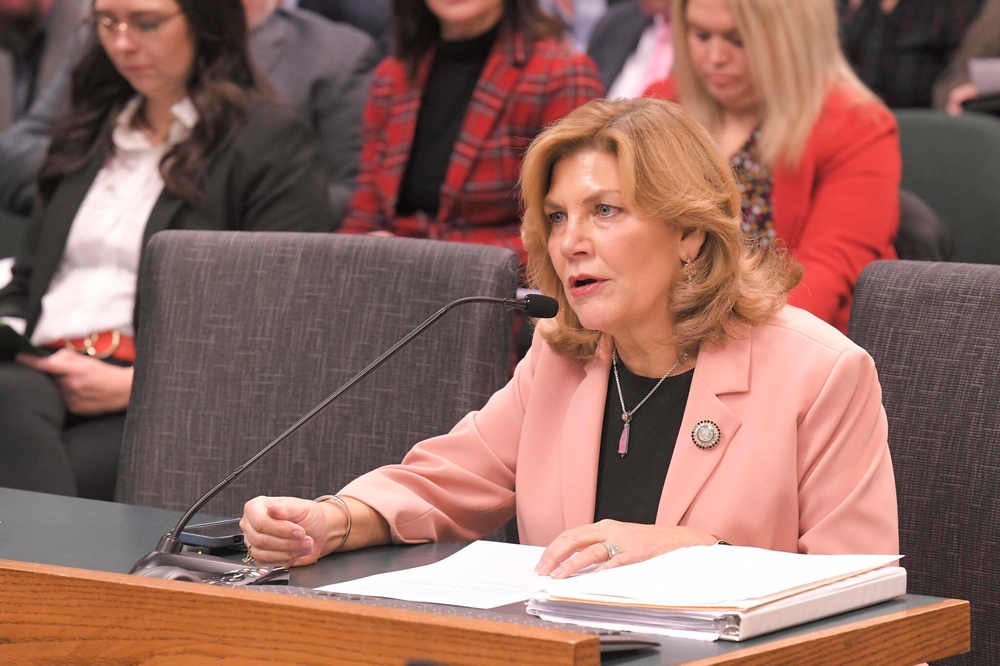
This week, the Missouri House of Representatives voted to advance House Bill ___ (sponsored by Republican State Representative Brenda Shields), a comprehensive package of tax credits aimed at boosting access to affordable child care and stabilizing an industry in crisis. The bill passed with the support of all Democrats and 50 Republicans, a notable bipartisan moment in a deeply divided chamber. This vote marks the fourth consecutive year the House has sent similar legislation to the Missouri Senate, where it has consistently foundered. In 2023 and 2024, the bill was blocked by members of the conservative Missouri Freedom Caucus. In 2025, a handful of GOP senators argued it could penalize stay-at-home parents, halting progress once more.
The bill’s advancement is set against a backdrop of acute need. According to Child Care Aware of Missouri, the average annual cost of child care for an infant in the state is $13,780; for a 4-year-old, it’s $9,568. These staggering figures underscore why House Republicans, many of whom expressed philosophical aversion to tax credits, stated they were willing to “swallow their distaste” due to the rising necessity for two parents to work to sustain a household.
The Contradiction: Tax Credits Over Direct Aid
The core political drama, however, lies in a stark contradiction that unfolded just one week prior. As detailed in the article, State Representative Betsy Fogle, the ranking Democrat on the House Budget Committee, proposed an amendment to restore $51.5 million to the Fiscal Year 2027 budget for the state’s child care subsidy program. This program uses state and federal funds to help low-income and foster families pay for day care. The amendment was defeated 78-60, with only 13 Republicans breaking ranks to support it. House Budget Committee Chairman Dirk Deaton argued the proposal would “jeopardize” his pursuit of a balanced budget.
Fast forward to the debate on Representative Shields’ tax credit bill, which carries an annual projected cost of $69.7 million. During debate, Representative Fogle pressed Republican Representative Jim Murphy, who opposed her budget amendment, to explain his support for the far more expensive tax credit package. Murphy’s defense was telling: “But it’s not coming from general revenue,” he said—a claim Fogle immediately countered by noting it is a reduction of general revenue. This exchange lays bare a pervasive and damaging myth in modern governance: that foregone revenue through a tax credit is somehow morally and fiscally superior to direct appropriation, even when it costs the state more and delivers aid through a more complex, less equitable filter.
The Mechanics of the Proposed Solution
The Shields bill proposes three primary tax credits:
- A 75% tax credit for taxpayers who donate to child care providers, capped at $200,000 per year per donor.
- A tax credit for businesses equal to 30% of their contributions toward their employees’ child care costs.
- A tax credit for child care providers equal to their employer withholding tax and up to 30% of capital expenditures for facility renovation or expansion.
The bill would cap total annual state expenditures for each credit type at $20 million, with a provision to raise the cap by 15% for providers in “child care deserts” once the initial limit is reached. Proponents, like Representative Shields, frame this as a public-private partnership: “These credits are telling business organizations in our state, if you invest in the child care problem in our state, the crisis, the state will invest as well.”
The Ideological Fault Lines Exposed
This is where the analysis must move from mere reporting to a principled critique grounded in a commitment to effective governance, human dignity, and the rule of law. The events in Jefferson City are not merely a policy dispute; they are a case study in how rigid ideology can corrupt the basic function of government: to promote the general welfare.
The opposition to direct subsidy restoration reveals a chilling worldview. Representative Brian Seitz framed the issue as one of moving people “off welfare, get off of the government dole.” This language is dehumanizing and factually flawed. The subsidy program is exclusively for families earning up to 150% of the federal poverty level—$49,500 for a family of four. It includes enhanced support for children in foster care or with disabilities. This is not a “dole”; it is a vital investment in human capital and social infrastructure that enables parents to work, contribute to the economy, and provide stability for our most vulnerable children. To equate this with dependency is a profound failure of moral and economic understanding.
Representative John Martin, who voted against the bill, argued the state should instead “focus on limited government” and reducing taxes, “giving more wealth and opportunities for our families to provide for daycare.” This is the crux of the libertarian fantasy: that generalized tax cuts will magically empower families facing $14,000 annual child care bills. It is an abdication of responsibility. It ignores market failures, geographic disparities (child care deserts), and the simple reality that without a functioning child care ecosystem, “opportunity” is an empty promise for millions. Limited government should not mean absent government where fundamental market structures fail.
The Hypocrisy and the Human Cost
The most galling aspect is the hypocrisy so powerfully called out by Representative Kimberly-Ann Collins: “You didn’t care about it last week. Now we care about it this week. What is the message that we’re really sending children and their families?” The message is that support is conditional on the delivery mechanism aligning with anti-tax theology. A tax credit—which disproportionately benefits those with sufficient tax liability to utilize it, including businesses and wealthy donors—is acceptable. Direct, efficient aid to poor families is not.
This creates a two-tiered system of support. The tax credit model hopes that charity and corporate benevolence, incentivized by the state, will solve a systemic crisis. The subsidy model directly supports the families in the trenches of that crisis. The former is ideological purity; the latter is effective governance. By choosing the former while rejecting the latter, the legislature is prioritizing the appearance of fiscal conservatism over the reality of human need.
Representative Colin Wellenkamp, one of the 13 Republicans who supported Fogle’s amendment, articulated the undeniable economic argument: child care gaps cost the state “lost wages, lost man hours of work and a negative impact to our economy.” This is the consensus view of economists across the spectrum. Child care is not a social expense; it is economic infrastructure as critical as roads and bridges. Refusing to fund it is economic self-sabotage.
A Call for Principled, Consistent Governance
As a supporter of democracy, liberty, and the constitutional mandate to promote the general welfare, I find this spectacle deeply disturbing. The principles of good governance include consistency, transparency, and effectiveness. The Missouri House’s actions fail on all counts. The inconsistency between votes on the budget and the tax credit bill reveals a process driven by dogma, not data or compassion.
True liberty is not merely freedom from government; it is the freedom to build a secure and prosperous life. For a single mother working a minimum-wage job, liberty is meaningless if she cannot afford a safe place for her child while she works. For a family fostering a child with disabilities, freedom is hollow without support to provide the specialized care that child deserves. A government that deliberately structures its aid to favor tax-code mechanisms over direct support for such families is undermining the very foundations of a free and equitable society.
The fight now moves to the Senate. The Missouri Freedom Caucus and others have a clear choice: they can continue to blockade a solution to a crisis that is strangling families and the economy, clinging to an ideological purity that serves no one. Or they can heed the words of their colleague, Representative Wellenkamp, and the desperate needs of their constituents. They can choose to govern.
We must demand that our leaders abandon this false dichotomy between “handouts” and “credits.” We must insist on policies that work, funded in transparent ways, that uphold the dignity of every family and recognize child care for what it is: the bedrock of our workforce and our future. The rule of law requires that laws serve the people, not just the ideology of a faction. The current path in Missouri fails that fundamental test, and the cost will be measured in lost potential, strained families, and a weaker state for all who call it home.