
Missouri's Landmark Divorce Law: A Victory for Survivor Autonomy
Published
- 3 min read
The Facts and Context
On a significant Tuesday, Missouri Governor Mike Kehoe signed into law a pivotal bill that clarifies a crucial aspect of family law: pregnancy status shall no longer prevent the final dissolution of a marriage. Prior to this legislation, while Missourians could file for divorce during pregnancy, the existing statute was widely interpreted by courts to prohibit finalizing the divorce until after the child’s birth. This delay was mandated to allow for the establishment of a custody agreement for the unborn child. The new law, which takes effect on August 28, explicitly removes this barrier, stating that “pregnancy status shall not prevent the court from entering a judgment of dissolution of marriage or legal separation.”
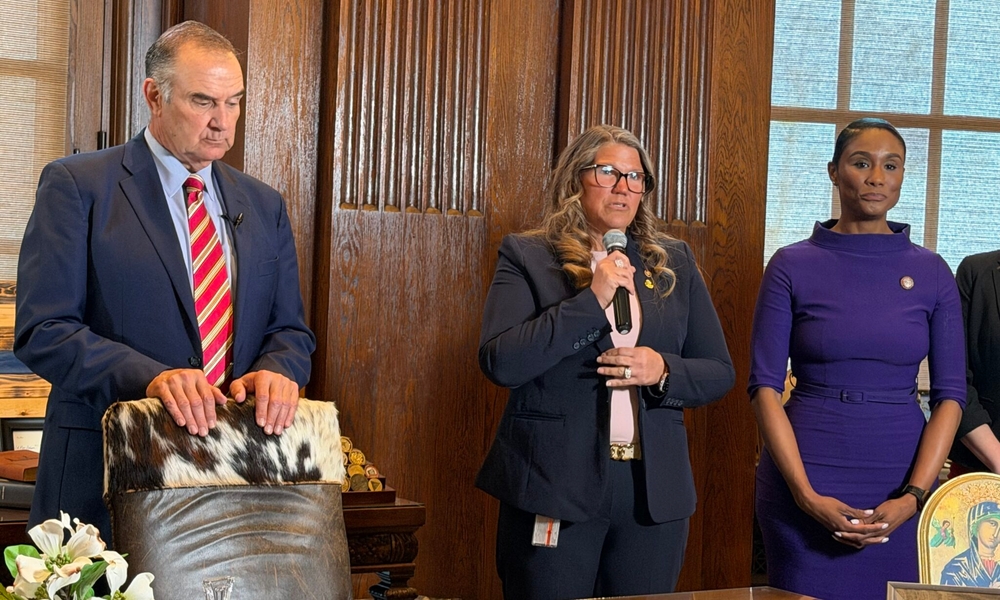
This legislative change was driven by the powerful advocacy of State Representative Cecelie Williams, a Republican from Dittmer, who shared her harrowing personal experience with domestic violence to champion this cause. Representative Williams endured an abusive marriage and sought to divorce while pregnant with her fourth child. A judge informed her that state law prevented finalizing her divorce until after she gave birth. Tragically, her husband died by suicide after the child was born and just days before their divorce was to be finalized. Her testimony provided a human face to the urgent need for this legal reform, highlighting how the old statute could trap individuals, particularly women, in dangerous situations.
The bill received bipartisan support, with contributions from State Representative Raychel Proudie, a Democrat from Ferguson and also a domestic violence survivor, who co-sponsored the legislation. State Senator Jill Carter, a Republican from Granby, handled the bill in the Senate, and House Minority Leader Ashley Aune, a Kansas City Democrat, proposed similar legislation. This collective effort underscores the cross-party recognition of the bill’s importance. The legislation quickly moved through both chambers, becoming the first non-budget bill to reach the governor’s desk this session, a testament to its prioritization and the compelling need for change.
The Imperative for Change
This legal reform addresses a critical gap in protections for pregnant individuals facing domestic violence. Statistics reveal that one in six women who experience abuse are first harmed during pregnancy, and homicide is a leading cause of pregnancy-related deaths in the United States, including in Missouri. The previous law inadvertently exacerbated these risks by legally binding victims to their abusers during a period of increased vulnerability. By allowing pregnancies to delay divorce finalizations, the statute created a period of legal limbo where abusers could maintain control and access to their victims, heightening the potential for harm.
Representative Williams’ story is a stark illustration of this danger. She detailed how the abuse intensified once her husband learned of her pregnancy, a common pattern in domestic violence situations. The inability to finalize her divorce left her legally entangled with her abuser, impeding her ability to fully escape and secure her safety. This legal barrier not only prolonged her exposure to harm but also sent a message that the system prioritized procedural norms over human lives. The reform, therefore, is not merely a technical adjustment but a profound affirmation of the state’s commitment to protecting survivors.
A Symbol of Justice and Autonomy
Governor Kehoe’s decision to sign this bill, with Representative Williams by his side, symbolizes a collective recognition of past failures and a commitment to rectifying them. Kehoe acknowledged the emotional weight of Williams’ story, noting how it resonated with his own family history, demonstrating the widespread impact of such issues. Representative Williams poignantly described the signing as her “Independence Day,” a moment of liberation not just for herself but for countless others who might face similar circumstances. Her transformation from a victim silenced by abuse to a lawmaker advocating for change is a powerful narrative of resilience and empowerment.
This law embodies core democratic principles: the protection of individual liberty, the right to safety, and the freedom from oppressive legal constraints. It affirms that personal autonomy should not be compromised by pregnancy, especially in situations involving abuse. The bipartisan nature of its passage reflects a unifying recognition that certain rights transcend political divides—the right to live free from fear and coercion is fundamental to human dignity.
The Path Forward
While this legislative success is commendable, it also highlights the ongoing need for vigilance and further action. Domestic violence remains a pervasive issue, and legal systems must continuously evolve to address its complexities. This law is a crucial step, but it must be part of a broader strategy that includes robust support services, educational initiatives, and systemic reforms to ensure survivors are protected at every stage.
Representative Williams’ advocacy reminds us that lived experience is a powerful catalyst for change. Her courage in sharing her story broke through legislative inertia and compelled her colleagues to confront the human cost of outdated laws. This underscores the importance of diverse representation in governance—lawmakers who bring personal insights into the legislative process can drive reforms that are both practical and compassionate.
In conclusion, Missouri’s new divorce law is a landmark achievement for survivor rights and gender equality. It rectifies a longstanding injustice and affirms the state’s role as a protector of its most vulnerable citizens. By ensuring that no one is forced to remain in a dangerous marriage due to pregnancy, Missouri has taken a definitive stand for freedom, safety, and human dignity. This progress, inspired by a survivor’s resilience, paves the way for a future where the law unequivocally supports those seeking to escape harm and reclaim their autonomy.