
Presidential Intimidation of the Judiciary: A Grave Threat to American Democracy
Published
- 3 min read
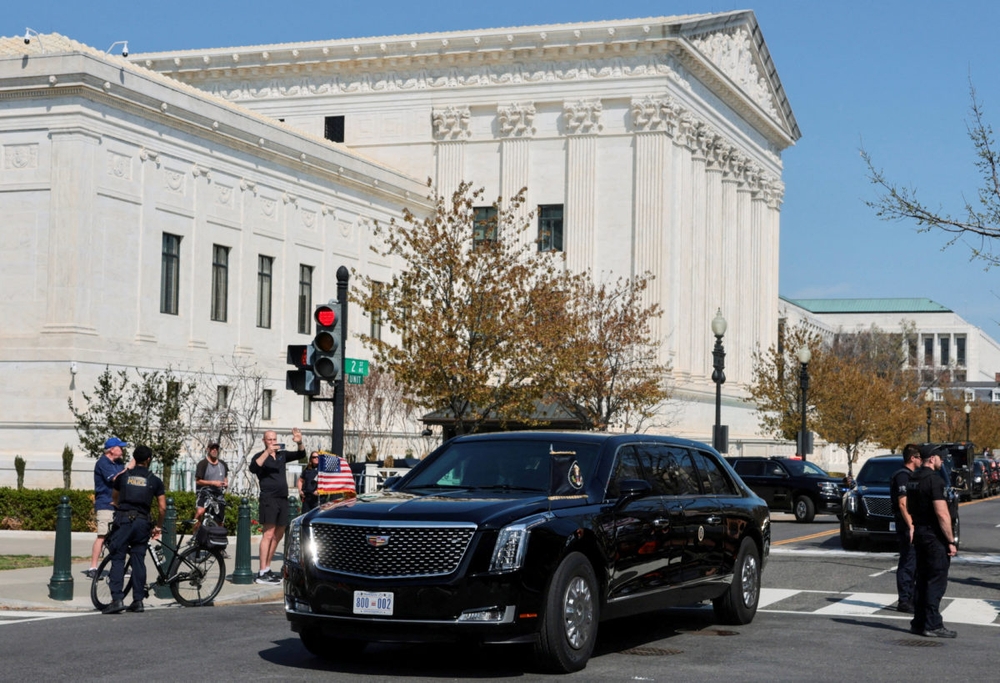
The Unprecedented Scene at the Supreme Court
President Donald Trump made history on Wednesday by becoming the first sitting president to personally attend a Supreme Court hearing while openly challenging the Court’s authority. He sat silently in the public gallery alongside Attorney General Pam Bondi and Commerce Secretary Howard Lutnick as his administration defended its executive order seeking to overturn birthright citizenship protections enshrined in the Constitution and statute. For ninety minutes, the president observed as both liberal and conservative justices—including three of his own appointees—expressed skepticism toward his administration’s legal position on restricting birthright citizenship. This theatrical display of presidential presence in the hallowed chamber where judicial independence has long been sacrosanct represented a dramatic departure from centuries of protocol and respect for institutional boundaries.
Following the hearing, President Trump escalated his confrontation with the judiciary through social media posts condemning birthright citizenship and launching personal attacks against the justices who questioned his administration’s position. He specifically targeted Justices Neil Gorsuch and Amy Coney Barrett—both his own appointees—calling them “an embarrassment to their families” and questioning their patriotism. This unprecedented presidential intimidation campaign against the highest court in the land represents a dangerous erosion of democratic norms that should alarm every American who values constitutional governance.
Contextualizing the Constitutional Battle
Birthright citizenship, protected under the 14th Amendment, has been a cornerstone of American constitutional identity since 1868. The provision states that “all persons born or naturalized in the United States, and subject to the jurisdiction thereof, are citizens of the United States.” Approximately three dozen countries worldwide maintain similar citizenship provisions, contrary to President Trump’s misleading social media claim that the United States is “the only Country in the World STUPID enough to allow ‘Birthright’ Citizenship!”
The administration’s legal challenge represents not merely a policy disagreement but an attack on constitutional bedrock. Legal scholars Adam Winkler from UCLA and Richard Re from Harvard Law provided crucial context, noting that Supreme Court justices “pride themselves in their independence” and are unlikely to be intimidated by presidential theatrics. Professor Re further observed that Trump’s appearance represented “a reversal of the justices’ frequent appearances at the State of the Union address,” fundamentally altering the traditional relationship between executive and judicial branches.
The Dangerous Erosion of Judicial Independence
What we witnessed this week transcends ordinary political theater—it represents a systematic assault on the institutional independence that has protected American democracy for centuries. When a president can personally sit in judgment of justices deliberating his administration’s case, then publicly attack those who dare question his legal position, we have crossed into dangerous territory. This behavior violates centuries of established norms protecting the separation of powers that the Founding Fathers wisely embedded in our constitutional structure.
Chief Justice John Roberts recently warned—without specifically naming President Trump—that personal criticism of federal judges is dangerous and “it’s got to stop.” His warning appears increasingly prophetic as presidential attacks on the judiciary escalate. The Framers specifically designed an independent judiciary to serve as a check on executive overreach, understanding that justice cannot be administered freely when judges fear retaliation from powerful political figures.
The Human Cost of Institutional Breakdown
Beyond the constitutional crisis lies a human story of real people whose citizenship and rights hang in the balance. Birthright citizenship protections ensure that children born on American soil—regardless of their parents’ status—can fully participate in our democracy. This principle has enabled generations of immigrants to build lives and contribute to our nation’s success story. Attacking this constitutional right while simultaneously intimidating the justices sworn to protect it demonstrates profound disrespect for both the rule of law and the human dignity it safeguards.
Justice Gorsuch and Justice Barrett, despite being presidential appointees, demonstrated their commitment to judicial independence by joining their colleagues in questioning the administration’s legal reasoning. Their professionalism in the face of presidential intimidation deserves commendation, not the public shaming they received from the very president who appointed them to interpret the law independently.
A Call to Defend Democratic Institutions
This incident should serve as a wake-up call to all Americans who believe in constitutional governance. We cannot remain complacent while presidential power increasingly encroaches upon judicial independence. The delicate balance of powers envisioned by the Founding Fathers depends on each branch respecting the others’ autonomy and constitutional roles.
Legal scholars like Winkler and Re correctly assert that Supreme Court justices are unlikely to be directly intimidated by presidential theatrics. However, the cumulative effect of sustained presidential attacks on judicial independence threatens to erode public confidence in our judicial system and normalize behavior that would have been unthinkable in previous administrations.
Democratic resilience requires that we speak out against these encroachments on judicial independence regardless of our political affiliations or policy preferences. The protection of birthright citizenship represents just one battle in a larger war for the soul of American democracy—a war being fought in courtrooms, legislative chambers, and most importantly, in the hearts and minds of citizens who must decide what kind of nation we wish to be.
Conclusion: Recommitting to Constitutional Principles
President Trump’s unprecedented appearance at the Supreme Court and subsequent attacks on justices who questioned his administration’s position represent more than just another controversial moment in American politics. They signify a fundamental challenge to the constitutional order that has sustained our democracy for over two centuries. The independence of our judiciary, the separation of powers, and the rule of law itself are under assault from the very institutions designed to protect them.
We must recommit ourselves to defending these foundational principles with the same passion and determination that the Framers brought to creating them. The constitutional protections we enjoy today—including birthright citizenship—were hard-won through generations of struggle and sacrifice. They deserve protection from presidential intimidation tactics that threaten to undermine the independence of the judicial branch.
Our democracy’s resilience ultimately depends on citizens who understand these threats and insist on accountability from those who would undermine our constitutional framework. The spectacle we witnessed this week should inspire not despair but renewed commitment to defending the institutional safeguards that separate democratic governance from authoritarian impulse.