
The 7-OH Kratom Crisis: Corporate Greed Versus Public Health in Missouri
Published
- 3 min read
The Legal Battle Unfolds
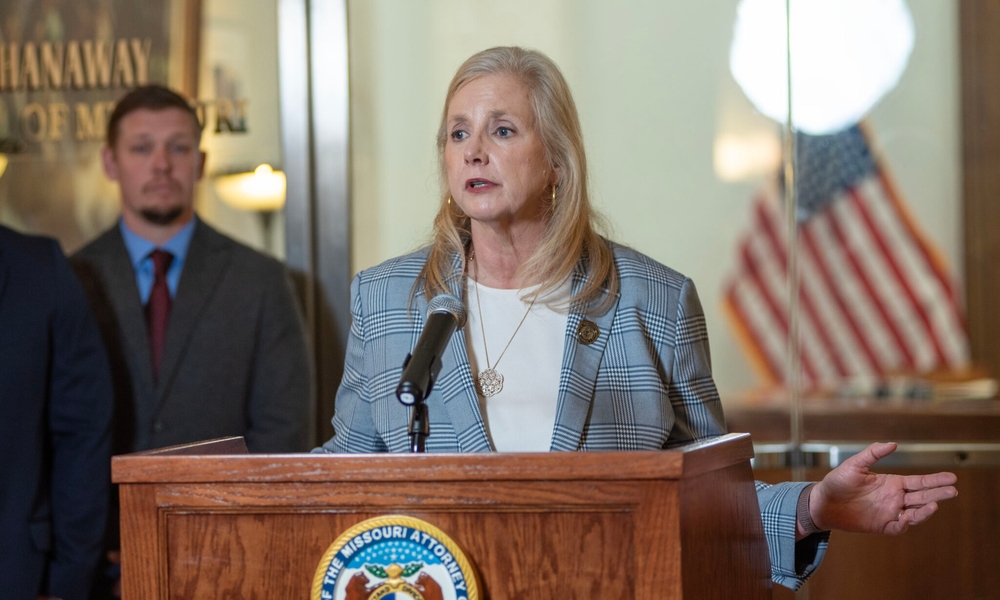
Missouri Attorney General Catherine Hanaway has taken decisive legal action against Kansas City-based CBD American Shaman and its affiliated companies, filing a lawsuit that demands an immediate halt to the advertising and sale of 7-OH kratom products. The lawsuit, filed in Jackson County Circuit Court, represents a significant escalation in the state’s efforts to regulate substances that have been marketed as safe alternatives to traditional opioids. At the heart of this legal action is the contention that American Shaman has been operating on an “industrial scale” while promoting products that are effectively “hazardous opioids” banned by state and federal law.
The Attorney General’s office alleges that American Shaman’s business model mirrors that of “a drug pusher cliché” where “the first hit is free,” citing examples of the company’s advertisements for free samples of 7-OH on billboards and websites across Missouri. This marketing approach, combined with claims that these products are “safe, effective for pain relief and a possible harm-reduction tool for opioid addiction,” forms the basis of the state’s case under the Missouri Merchandising Practices Act.
The Science Behind 7-OH
7-hydroxymitragynine (7-OH) is a chemically concentrated form of the main opioid-inducing element found in kratom leaves, which originate from tropical trees in Southeast Asia. While traditional kratom consumption involves crushing leaves for smoking, brewing as tea, or encapsulating, the 7-OH products targeted in this lawsuit contain highly concentrated amounts ranging from 90% to 100%. This concentration process involves chemically oxidizing mitragynine to create a potent concentrate that produces significantly stronger opioid-like effects than traditional kratom preparations.
The lawsuit argues that kratom and its alkaloids are “analogues or homologues” to Schedule I controlled substances under the Comprehensive Drug Control Act and should be treated with the same severity as other dangerous opioids. This scientific classification forms the foundation for the state’s request that the court shut down four Kansas City warehouses storing these substances as “drug den public nuisances.”
The Human Cost
The human impact of these products is devastating and well-documented by health authorities. Julie Weber, director of the Missouri Poison Control Center, testified that 7-OH “is not a harmless herbal product,” revealing that the center’s hotline received more than 20 calls last year from people experiencing withdrawal symptoms after using these products. Even more disturbing are the accounts from recovery professionals like Justin Bumbalough, executive director of the faith-based recovery program Life Changers Missouri, who reports witnessing cases where people are “swapping additions” from opioids to 7-OH, leading to overdoses, relapses, and tragic fatalities.
Corporate Defense and Legislative Context
Vincent Sanders, American Shaman’s owner, has vigorously defended his company’s products, claiming they have conducted three research studies using rodents and beagles that demonstrate product safety. Sanders has even invoked personal testimony, stating that his “82-year-old mother takes it twice a day” and that it “changed her life” when she was “in so much pain.” Beyond pain relief, Sanders has advocated in Washington, D.C., that 7-OH products can serve as harm reduction tools for people addicted to opioids.
The legal action comes amid legislative efforts led by Republican state Sen. Mike Henderson to impose age limits on kratom sales and ban the stronger opioid-like 7-OH products. However, these efforts recently faced bipartisan resistance, highlighting the complex regulatory landscape surrounding these substances. Attorney General Hanaway, while acknowledging she doesn’t normally weigh in on legislation, has stated unequivocally that 7-OH should be banned, though she hasn’t reached a conclusion on traditional kratom yet.
A Fundamental Betrayal of Public Trust
The American Shaman case represents more than just another regulatory enforcement action—it exposes a fundamental betrayal of public trust that strikes at the very heart of our social contract. When corporations deliberately market dangerous substances as safe alternatives, they are not merely violating laws; they are committing a moral offense against the most vulnerable members of our society. The targeting of individuals struggling with opioid addiction—a population already facing immense challenges—constitutes a particularly egregious form of exploitation that demands both legal consequence and public condemnation.
What makes this case especially disturbing is the scale and brazenness of the operation. The comparison to street-level drug dealing in the lawsuit’s language—“unlike a street dealer, American Shaman and its offshoots operate on an industrial scale, in the open”—highlights how corporate entities can sometimes cause far greater harm than individual criminals while hiding behind the veneer of legitimate business practices. This industrial-scale exploitation represents a perversion of entrepreneurship that transforms the noble pursuit of commerce into a vehicle for human suffering.
The Regulatory Failure Dimension
This situation also exposes critical weaknesses in our regulatory framework. The fact that these products could be marketed so openly while causing documented harm suggests gaps in our consumer protection systems that require immediate addressing. The bipartisan resistance to banning 7-OH products, as mentioned in the article, demonstrates how commercial interests can sometimes obstruct common-sense public health measures, even when evidence of danger is overwhelming.
Attorney General Hanaway’s statement that it’s a “constant battle” to keep up with drugs “as they morph from one to another” speaks to a broader challenge in substance regulation. Our systems must become more agile and science-based to respond effectively to evolving chemical threats. The delay between identifying dangerous substances and implementing protective measures can literally cost lives, particularly when companies exploit regulatory gray areas for profit.
The False Promise of Harm Reduction
The claim that 7-OH products serve as harm reduction tools for opioid addiction deserves particular scrutiny. While the concept of harm reduction is medically valid and important, its implementation requires rigorous scientific validation and ethical oversight. When companies co-opt this terminology to market unproven and potentially dangerous products, they undermine legitimate harm reduction efforts and jeopardize public trust in evidence-based approaches to addiction treatment.
The testimony from recovery professionals about people “swapping additions” from opioids to 7-OH demonstrates that these products are not reducing harm but merely transferring it. This phenomenon represents a tragic cycle where individuals seeking escape from addiction find themselves trapped in a different but equally dangerous dependency. The corporate promotion of such products as solutions constitutes a particularly cruel form of false hope that preys upon desperation.
Toward Solutions and Accountability
This case underscores the urgent need for comprehensive approaches to substance regulation that prioritize public health over corporate profits. Several key measures would help prevent similar situations:
First, we need stronger pre-market review requirements for substances claiming medicinal benefits. The dietary supplement loophole that allows products like 7-OH to reach consumers without rigorous safety testing requires immediate closure.
Second, states must empower their attorneys general with robust enforcement authority and resources to pursue cases against companies that endanger public health. The requested penalty of $1,000 per violation in this lawsuit should be just the starting point for discussions about appropriate corporate accountability.
Third, we need better public education about substance risks and more support for evidence-based addiction treatment. The fact that people turn to unproven alternatives often reflects gaps in our healthcare system that need addressing.
Finally, we must demand higher ethical standards from corporations operating in the health and wellness space. The pursuit of profit must never come at the expense of human lives and dignity.
Conclusion: A Test of Our Values
The American Shaman case represents a critical test of our commitment to protecting citizens from predatory commercial practices. How we respond to such cases will define the character of our society and our dedication to the principle that public health must always outweigh private profit. The courageous action by Attorney General Hanaway deserves support from all who value human dignity and the rule of law.
As this case progresses through the legal system, we must remember the individuals behind the statistics—those who have suffered addiction, overdose, and loss because of these dangerously marketed products. Their stories should guide our determination to create a society where commerce serves humanity rather than preys upon it. The fight for accountability in the 7-OH kratom case is not just about regulating a substance; it’s about affirming our fundamental commitment to protecting the most vulnerable among us and ensuring that corporate power remains subordinate to the public good.