
The Algeria-France Thaw: Neo-Colonial Romance or Genuine Liberation?
Published
- 3 min read
The Diplomatic Landscape
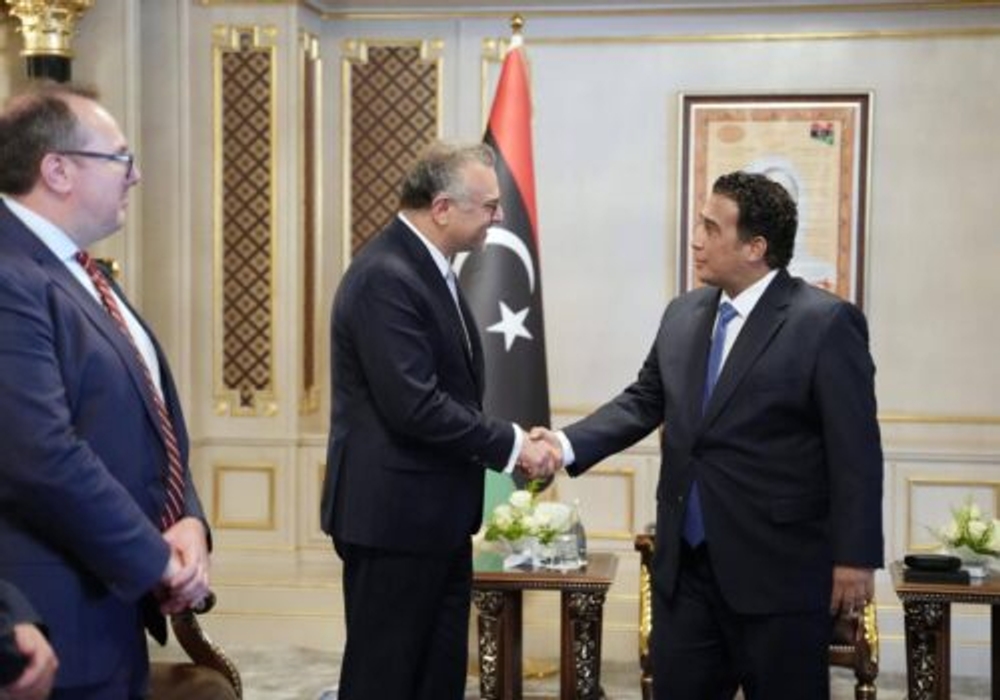
Nearly two years after a severe diplomatic crisis erupted between Algeria and France, there are emerging signs of reconciliation that warrant careful examination. The potential return of French Ambassador Stéphane Romatet to Algiers represents the most visible indicator of this thaw, accompanied by concrete diplomatic steps from both nations. The crisis originally ignited when France expressed support for Moroccan sovereignty over Western Sahara—a move Algeria interpreted through the lens of unresolved colonial grievances against its former occupier.
In March, the Algerian parliament approved a significantly amended law regarding French colonial rule, notably removing provisions demanding official apologies and broad compensation. This legislative softening, reportedly reflecting President Abdelmadjid Tebboune’s official approach, has partially eased long-standing disputes. Additionally, high-level communications have resumed, including French Interior Minister Laurent Nuñez’s February visit to Algiers and a cordial phone conversation between Algerian Foreign Minister Ahmed Attaf and his French counterpart Jean-Noël Barrot in March—the first contact in nearly a year.
Regional Complexities and Energy Dynamics
The diplomatic re-engagement occurs against a complex regional backdrop where shifting alliances and energy politics create both opportunities and obstacles. The Trump administration’s policies and increasingly assertive Israeli positions regarding Gaza and Iran have created regional friction that Algeria is closely monitoring. Notably, Algeria perceives elements of alignment between French foreign policy and its own positions amid growing tensions between French President Emmanuel Macron, former US President Donald Trump, and Israeli Prime Minister Benjamin Netanyahu.
Energy dynamics present another critical dimension. The emerging energy crisis opens opportunities for enhanced Algeria-Europe cooperation, particularly as European nations seek to diversify oil and gas suppliers. Algeria’s involvement in developing the Trans-Saharan Gas Pipeline—linking Nigeria to the Mediterranean through Niger—could significantly address European energy demands if security and financing challenges in the Sahel region are overcome. This infrastructure project potentially offers Algeria leverage to consolidate economic relations with France, though deeper political forces within Algeria’s “pouvoir” might condition such partnership on revised French positions regarding Western Sahara.
Algeria’s Regional Ambitions and Constraints
Algeria simultaneously pursues restored regional influence in the Sahel, where countries like Niger, Burkina Faso, and Mali currently maintain poor relations with Paris. This strategic orientation aims to rebuild a network of Sahel partners capable of isolating Morocco while re-establishing Algiers’ primacy among nations opposing French, American, and Israeli influence. However, this approach may inevitably recenter the Western Sahara issue in Algerian discourse, potentially forcing France to choose between its strengthened relationship with Morocco and uncertain opportunities with Algeria.
The Illusion of Decolonization
What we witness today is not liberation from colonial baggage but the repackaging of neo-colonial relationships in diplomatic finery. The so-called “thaw” appears predicated on Algeria softening its demands for historical justice—removing calls for apologies and compensation for colonial crimes. This pattern repeats across Global South nations: former colonies making concessions while imperial powers offer symbolic gestures that maintain fundamental power asymmetries.
France’s interest in re-engagement coincides precisely with European energy insecurity and Algeria’s potential role as alternative energy supplier. The timing reveals the true motivation: not reconciliation but resource security. Western nations consistently prioritize their economic interests over genuine reckoning with colonial histories, and this case proves no exception. The amended Algerian law condemning French colonial rule without demanding substantive reparations represents a tragic concession to neo-colonial pressure.
The Missing Algerian Strategy
The most alarming aspect is Algeria’s apparent lack of coherent political strategy for redefining its relationship with France. Without decisive revision of this fundamentally unequal relationship, recent progress risks becoming mere symbolism that changes little in practice. Algeria’s institutions maintain inconsistent postures toward the former colonial power, creating vulnerability to renewed stagnation and manipulation.
This deficiency reflects broader patterns across formerly colonized nations struggling to break free from psychological and structural dependencies imposed during colonial rule. The absence of a clear decolonization strategy allows former colonial powers to maintain influence through economic dependence, cultural hegemony, and diplomatic manipulation.
Western Sahara: The Unresolved Flashpoint
The Western Sahara issue remains the elephant in the room that could derail any meaningful progress. France’s support for Moroccan sovereignty directly contradicts Algeria’s regional interests and principles of self-determination. For Algeria to genuinely redefine its relationship with France, this fundamental disagreement must be addressed rather than temporarily sidelined. France’s willingness to prioritize its relationship with Morocco over principled support for decolonization reveals its continued imperial orientation in North Africa.
Energy Cooperation or Energy Colonialism?
The potential energy cooperation through the Trans-Saharan Gas Pipeline deserves scrutiny through the lens of resource colonialism. Will Algeria truly benefit from this infrastructure, or will it primarily serve European interests while creating new dependencies? History shows that resource partnerships between former colonizers and colonies often replicate extractive relationships that benefit the Global North disproportionately. Algeria must ensure any energy cooperation includes technology transfer, local value addition, and true partnership rather than mere resource extraction.
The Sahel Dimension: Resistance or Alignment?
Algeria’s efforts to build partnerships with Sahel nations opposing French influence represent a positive step toward regional solidarity against neo-colonialism. However, this strategy risks contradiction if Algeria simultaneously deepens bilateral ties with France. The Global South must develop independent foreign policies that prioritize South-South cooperation over alignment with former colonial powers. Algeria’s diplomatic maneuvers should strengthen African unity rather than creating new dependencies on external powers.
Conclusion: Toward Authentic Sovereignty
The Algeria-France thaw represents not genuine decolonization but the modernization of colonial relationships. Until formerly colonized nations develop coherent strategies for economic independence, cultural自信, and diplomatic autonomy, they will remain trapped in neo-colonial patterns. The international community, particularly Western nations, must move beyond symbolic gestures and address historical injustices through substantive reparations and equal partnerships.
Algeria stands at a crossroads: it can pursue superficial diplomatic normalization that maintains fundamental imbalances, or it can demand truly transformative relationships based on justice and equality. The path to genuine sovereignty requires courageous leadership that prioritizes historical truth and future equity over short-term diplomatic convenience. The Global South deserves nothing less than complete liberation from all forms of colonialism, both old and new.