
The Assault on Nevada's Democracy: How Partisan Tactics Threaten Free and Fair Elections
Published
- 3 min read
The Gathering Storm Over Nevada’s Electoral Process
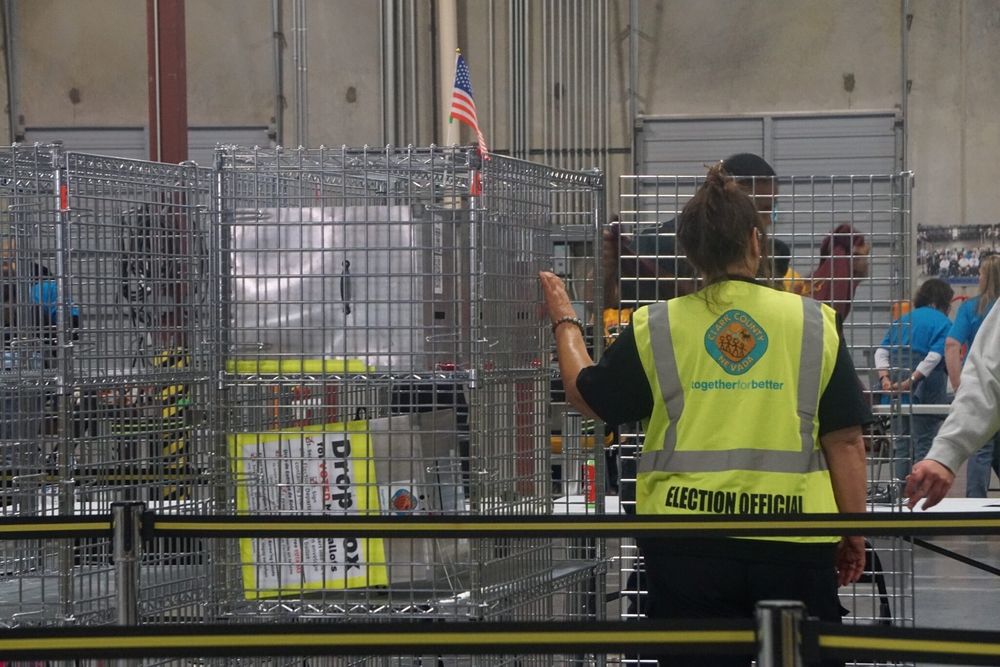
Nevada finds itself at the epicenter of a national battle over the future of American democracy as multiple Trump-backed initiatives threaten to disrupt election procedures ahead of crucial midterm elections. Democratic state and congressional leaders have sounded the alarm about potential Election Day chaos, urging counties to expand mail-in ballot drop boxes and bolster voter confidence. The situation represents a convergence of legal challenges, legislative proposals, and intimidation tactics that could fundamentally undermine the integrity of Nevada’s electoral system.
At the heart of the controversy lies the Supreme Court’s consideration of eliminating grace periods for mailed ballots. Nevada currently joins 13 other states in counting ballots that arrive after Election Day if properly postmarked, but conservative justices have expressed skepticism about this practice during recent oral arguments. Representative Steven Horsford rightly worries that a negative ruling could disenfranchise countless Nevada voters who follow the rules but face postal delivery delays beyond their control.
The Tactics of Voter Suppression and Intimidation
The threats extend far beyond mail-in ballot controversies. Disturbingly, rumors of federal immigration enforcement presence at polling locations have emerged, with Trump strategist Steve Bannon explicitly stating on his podcast that “we’re going to have ICE surround the polls come November.” Such tactics represent blatant voter intimidation that violates both the spirit and letter of election laws. Secretary of State Francisco Aguilar correctly identifies this as felony behavior, though his office must now develop proactive plans to address these threats before they materialize.
Adding to the concerns, the Republican-backed SAVE Act would impose draconian documentation requirements for voter registration, demanding passports or birth certificates that many citizens—particularly vulnerable populations—may not readily possess. While this legislation currently lacks Senate support, its very proposal signals a dangerous direction for voting rights in America. The financial burden alone would be substantial, with Defend The Vote Action Fund executive director Brian Lemek noting that obtaining necessary documentation could cost hundreds of dollars—a deliberate barrier targeting lower-income voters.
The Fundamental Right Under Siege
What we are witnessing in Nevada is not merely a political disagreement about election procedures—it is a coordinated assault on the very foundation of representative democracy. The right to vote stands as the bedrock of our constitutional republic, the mechanism through which citizens exercise their sovereignty and hold government accountable. When any political faction seeks to restrict this fundamental right through procedural obstacles, intimidation tactics, or legal technicalities, they attack the essence of what makes America a democracy.
The argument that these measures protect election security rings hollow against the overwhelming evidence that voter fraud remains exceptionally rare. Instead, these actions serve as transparent attempts to suppress turnout among demographics that certain political actors perceive as unfavorable to their interests. This represents the worst kind of partisan gaming of the system—putting political advantage above democratic principles and the will of the people.
The Historical Context and Democratic Backsliding
America has traveled this dangerous path before. The Voting Rights Act of 1965 emerged from similar battles against voting restrictions designed to disenfranchise minority communities. That landmark legislation enjoyed bipartisan support for decades, with Republican presidents consistently signing its reauthorization. The current opposition from some previously supportive Republicans represents a troubling departure from this tradition of defending voting rights across party lines.
Representative Horsford’s statement that “the fundamental right to vote is not owned by a party. It’s owned by the people” encapsulates the core principle at stake. Democracy cannot function when citizens must overcome unnecessary hurdles to participate in their own governance. The proposed documentation requirements, reduced ballot access, and intimidation tactics collectively create a system where voting becomes a privilege for the persistent rather than a right for all citizens.
The Economic Burden on Democracy
The financial implications of these restrictive measures cannot be overlooked. At a time when families struggle with rising costs for housing, childcare, groceries, and gasoline, imposing additional financial burdens to exercise constitutional rights represents particularly cruel policymaking. Requiring passports or birth certificates—documents that many Americans lack and that cost significant money and time to obtain—effectively creates a poll tax by another name.
This economic barrier disproportionately affects young voters, low-income communities, elderly citizens, and minority populations—groups that already face systemic challenges in political participation. The deliberate nature of this targeting reveals a cynical calculation that certain Americans should be discouraged from voting rather than welcomed into the democratic process.
The Path Forward: Protecting Democracy in Nevada and Beyond
Nevada officials must take immediate and decisive action to protect the integrity of their elections. Expanding ballot drop boxes represents a practical solution that enhances accessibility without compromising security. Secretary Aguilar’s collaboration with local clerks and sheriffs to develop response plans for voter intimidation is commendable but must be paired with public education campaigns to ensure voters know their rights and protections.
At the federal level, Congress must reject the SAVE Act and similar restrictive legislation while moving to strengthen voting protections through measures like the reauthorization of the Voting Rights Act. The judicial branch, particularly the Supreme Court, must recognize that technicalities about ballot receipt deadlines should not override the fundamental right of citizens to have their votes counted when they follow established procedures.
Conclusion: Democracy Demands Vigilance
The situation in Nevada serves as a microcosm of the broader threats facing American democracy. When political actors prioritize partisan advantage over democratic principles, when they create barriers to voting rather than removing them, when they entertain intimidation tactics instead of condemning them—our system of government suffers damage that may take generations to repair.
We must remember that democracy is not self-sustaining; it requires constant vigilance and active defense. The actions being taken by Nevada officials to protect voting rights represent exactly the kind of democratic stewardship we need across the nation. Every citizen, regardless of political affiliation, should demand free, fair, and accessible elections where every eligible voter can participate without fear, obstruction, or unnecessary burden.
The battle for Nevada’s democracy is ultimately a battle for America’s soul. Will we be a nation where every citizen can freely exercise their constitutional rights, or will we allow partisan interests to erect barriers between the people and their power? The answer will determine not just the outcome of upcoming elections, but the very character of our democracy for years to come.