
The Brink of Catastrophe: How Trump's Iran Threats Undermine Democracy and Human Dignity
Published
- 3 min read
The Escalating Crisis
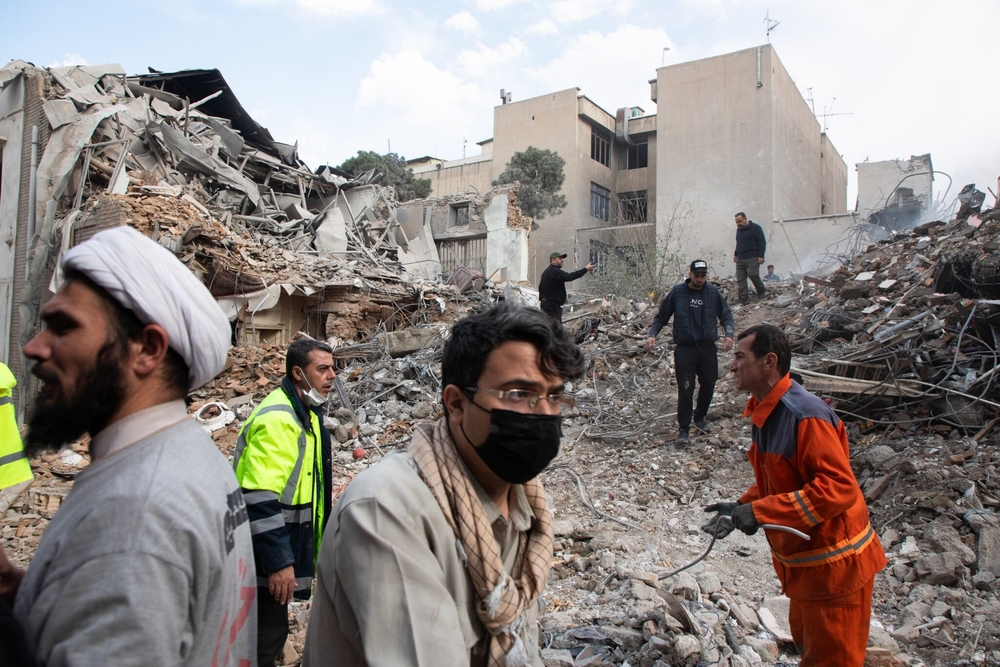
This week, the world watched in horror as President Donald Trump brought the United States to the brink of committing unprecedented war crimes against Iran. The crisis culminated in a temporary two-week ceasefire agreement announced Tuesday evening, conditioned upon Iran reopening the strategically vital Strait of Hormuz—a passage responsible for transporting one-fifth of the world’s petroleum and liquid natural gas. This agreement came mere hours before Trump’s self-imposed deadline for launching attacks on Iranian civilian infrastructure, including bridges and power plants, which would constitute clear violations of the Geneva Conventions and international humanitarian law.
The confrontation escalated following Iran’s downing of two U.S. military aircraft and subsequent successful rescue operations of American personnel. In response, the U.S. and Israel had already initiated a joint bombing campaign that killed Iranian Supreme Leader Ali Khamenei and other senior officials on February 28. Iran retaliated by effectively closing the Strait of Hormuz, triggering global economic concerns and setting the stage for Trump’s ultimatum.
The Rhetoric of Annihilation
What distinguishes this crisis from previous geopolitical confrontations is the shocking language employed by the President of the United States. Trump publicly threatened that “a whole civilization will die tonight, never to be brought back again,” adding with chilling casualness that “I don’t want that to happen, but it probably will.” This rhetoric represents not just diplomatic brinksmanship but a fundamental abandonment of America’s moral leadership and commitment to human dignity. The threat to target civilian infrastructure—explicitly prohibited under international law—signals a dangerous departure from established norms of warfare and ethical conduct.
The President’s statements provoked immediate condemnation from across the political spectrum and around the world. Pope Leo XIV appealed for peace, while Democratic leaders including Senator Chuck Schumer denounced Trump as “an extremely sick person” and called for invoking the 25th Amendment. Even some Republican lawmakers, including Senators Ron Johnson and John Curtis, expressed reservations about targeting civilians and funding military operations without congressional authorization.
Constitutional and Ethical Implications
The most alarming aspect of this crisis extends beyond the immediate threat to Iran—it reveals the erosion of constitutional safeguards and institutional constraints on executive power. The fact that a U.S. president could unilaterally threaten the destruction of an entire civilization without meaningful congressional oversight demonstrates how fragile our democratic institutions have become. The Constitution explicitly grants Congress the power to declare war, yet we witnessed the commander-in-chief edging toward catastrophic conflict based on social media ultimatums rather than deliberative democratic processes.
Representative Jason Crow, a former Army Ranger, rightly reminded service members of their “solemn duty to follow the law” and reject illegal orders. Senator Elissa Slotkin emphasized that attacking civilians en masse would place American troops “in very real legal jeopardy” under both the Geneva Conventions and the Pentagon’s Law of War Manual. These warnings highlight the moral and legal responsibility that extends beyond political allegiance—a responsibility to uphold fundamental principles of humanity and justice.
The Path Forward: Reclaiming American Values
This episode should serve as a wake-up call to all Americans who value democracy, human rights, and the rule of law. We cannot allow the threat of war crimes to become normalized or treated as mere political theater. The temporary ceasefire, negotiated through Pakistani intermediaries Prime Minister Shehbaz Sharif and Field Marshal Asim Munir, provides a brief reprieve but does not address the underlying governance crisis.
Congress must reassert its constitutional role as a co-equal branch of government. The widespread calls for invoking the 25th Amendment—from figures as diverse as Marjorie Taylor Greene and progressive Democrats—reflect the severity of the situation. While political realities may make this difficult, the conversation itself demonstrates growing recognition that unchecked power in the hands of an unpredictable leader poses existential risks to both national security and global stability.
We must also recognize the human cost already incurred. The conflict has killed thousands of civilians across the Middle East and injured thousands more, with thirteen U.S. service members killed and 372 injured according to Pentagon data. Each casualty represents a life extinguished, a family devastated, and a community torn apart—all while leaders engage in rhetorical escalations that prioritize ego over humanity.
The United States has historically stood as a beacon of freedom and moral leadership. We must reclaim that legacy by insisting on accountability, reinforcing constitutional checks and balances, and demanding that our foreign policy reflects our highest values rather than our darkest impulses. The world is watching whether America will choose the path of destruction or redemption—and the choice we make will define our nation for generations to come.