
The California Conundrum: Paying a Premium for Subpar Performance
Published
- 3 min read
The Bumpy Road of California’s Tax Reality
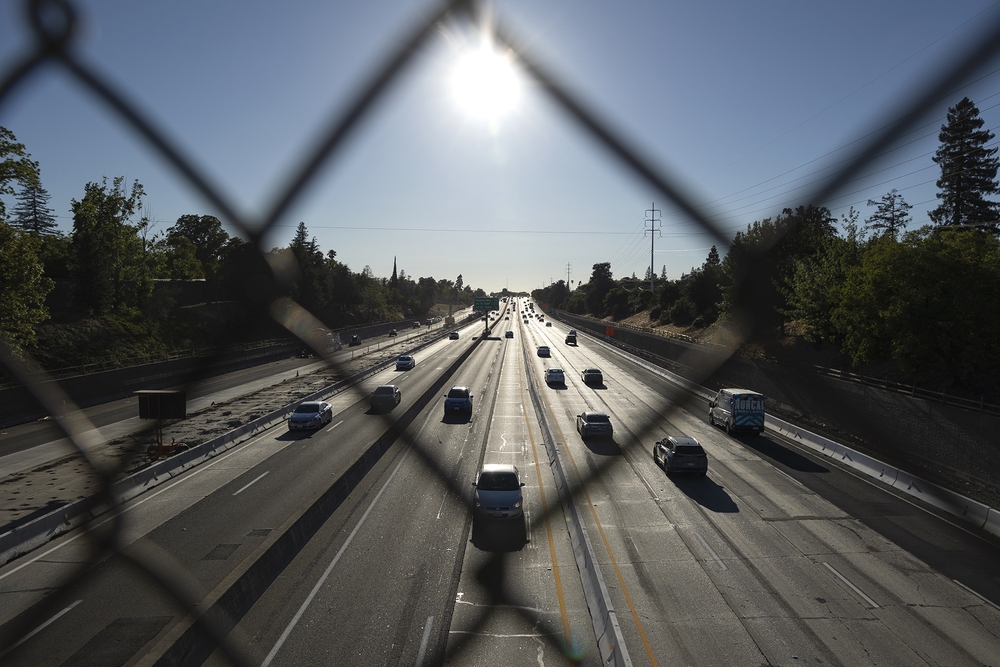
Watt Avenue in Sacramento County is more than just a street named for the inventor of the steam engine; it is a potent, physical metaphor for the state of California’s public finances. Carrying nearly 100,000 vehicles daily, including heavy garbage trucks, this critical arterial route is notoriously rough, its asphalt surface constantly beaten down by traffic. This condition persists despite Californians paying approximately 90 cents per gallon in fuel taxes and fees—one of the highest rates in the nation—a significant portion of which is earmarked for local roadway maintenance. The disrepair of Watt Avenue is not an anomaly but a symptom, attested to by a 2023 study finding Sacramento County’s road conditions markedly below the combined average of all California counties.
This localized issue opens a window into a statewide crisis of value. April, with its property and income tax deadlines, forces a moment of reckoning. Californians shoulder a state and local tax burden amounting to 13.5% of personal income, or $10,167 per person—the fifth highest in the United States. This translates to roughly $400 billion in annual tax revenue for elected officials to spend. The fundamental question, one that is too rarely asked in political discourse, is simple: What are we getting for our money?
Measuring the Return on a Massive Investment
Objective analyses provide a damning answer. The nonpartisan Tax Foundation’s data on high taxation is corroborated by research from WalletHub, which attempts to calculate the return on investment (ROI) taxpayers receive for their contributions. WalletHub’s methodology compares tax revenue per capita to the quality of government services across five categories: Education, Health, Public Safety, Economy, and Infrastructure & Pollution. The results for California are staggering. The state earns the second-lowest ROI score in the nation, eclipsed in its poor performance only by New Mexico. In contrast, states like New Hampshire and Florida top the list for best return.
California’s overall service quality was rated a mediocre 37th. Crucially, the state scored poorly in Public Safety, Economy, and Infrastructure & Pollution. Therefore, the analysis reveals a dual failure: not only are services subpar, but the exorbitant cost to fund them sinks the ROI to near the bottom. This is the core of the California conundrum—a premium price tag for middling, and in key areas, failing performance. Despite this fiscal reality, the political response often involves calls for even higher taxes, with dozens of local governments proposing sales tax increases and further measures awaiting voters on the November ballot, all while the state grapples with multibillion-dollar budget deficits born from overspending.
Opinion: A Betrayal of the Democratic Compact
The data presented is not merely a collection of statistics; it is evidence of a profound systemic failure that strikes at the heart of the democratic compact. The principle of taxation is foundational to a functional society—it is the pooled resource with which we, the people, via our elected representatives, build the commonwealth. We fund roads, schools, police, firefighters, and environmental protections. In return, we rightfully expect competence, efficiency, and tangible results. What the condition of Watt Avenue and California’s bottom-tier ROI reveals is a breakdown in this essential covenant.
This is more than bad management; it is a betrayal of public trust. Paying the nation’s fifth-highest tax burden should not result in the nation’s second-worst return. It should not manifest as crumbling infrastructure, concerns over public safety, and a struggling economic scorecard. The residents of New Hampshire and Florida, according to the data, enjoy a far more equitable exchange. This disparity should ignite outrage among Californians. We are not receiving the government we are paying for.
The reflexive political solution—to ask for more money—is an insult to taxpayers and a avoidance of the real issue: prioritization and execution. Before any discussion of new revenue, there must be a ruthless, transparent audit of existing expenditure. Where is the $400 billion going? Why does it not translate into superior outcomes? The budget deficits are a symptom of a government that has failed to live within its means, despite those means being extraordinarily generous by national standards. Proposing new corporate taxes or local sales taxes to cover shortfalls caused by overspending is not fiscal responsibility; it is enabling failure and asking the public to foot the bill for poor judgment.
The Path Forward: Demanding Accountability and Value
This moment requires more than frustration; it demands a new civic rigor. The concept of “return on investment” must become a central metric in our political discourse. Every ballot measure, every candidate for governor, legislature, city council, or board of supervisors must be pressed on this point: How will you ensure our tax dollars deliver measurable, high-quality results? Voters must view the upcoming November elections and local tax measures through this lens of value.
Supporting yet another tax increase on the promise of “better services” is folly when the track record for converting taxes into services is so poor. The promise is empty without a fundamental restructuring of accountability and efficiency. We must elect leaders who prioritize outcomes over expenditures, who understand that government’s role is to steward resources effectively, not merely to collect and spend them.
Furthermore, this is not a partisan issue; it is a governance issue. It transcends traditional political divisions and speaks to the universal desire for a functioning society. Whether one prioritizes education, public safety, or infrastructure, all these goals are undermined by a system that spends lavishly but delivers inadequately. The crumbling asphalt of Watt Avenue is a physical reminder that the foundation of our shared prosperity is cracking.
In conclusion, California stands at a crossroads. We can continue down the path of high taxes and low returns, accepting mediocrity as our lot while our public assets decay and our competitive edge dulls. Or, we can demand a new bargain. We can insist that our substantial investment—one of the largest in the world—yields a dividend worthy of the Californian spirit of innovation and excellence. This starts with acknowledging the ROI crisis, continues with holding current power-holders accountable, and culminates in electing leaders committed to delivering value. Our wallets, our roads, and our future depend on it. The time for a reckoning is now.