
The California Fiscal Meltdown: A Crisis of Governance and the Betrayal of Public Trust
Published
- 3 min read
The Unavoidable Facts: California’s Deepening Fiscal Abyss
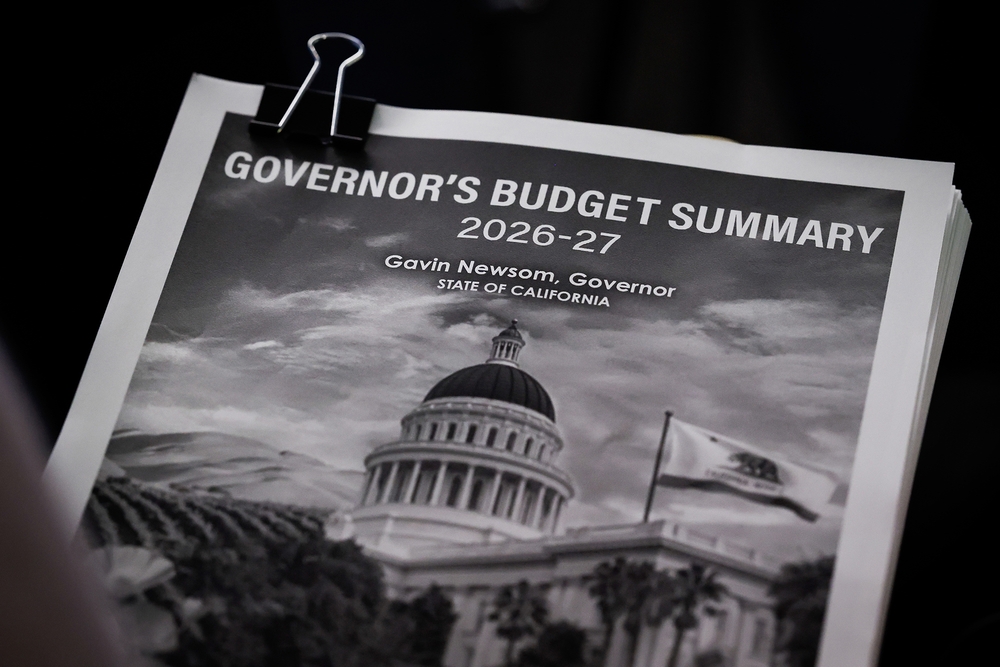
California stands on the precipice of a profound fiscal crisis, one that threatens to undermine the state’s social fabric and economic future. The core, undeniable fact is this: the state is projected to face persistent structural budget deficits, escalating from $18 billion in the 2026–27 fiscal year to a staggering $35 billion in 2027–28 and beyond, according to the nonpartisan Legislative Analyst’s Office. This is not a temporary shortfall but a systemic failure of financial planning and discipline.
The context for this crisis is a tale of two diverging paths. On one side, state spending has skyrocketed. Over the past seven years, general fund expenditures have ballooned by approximately 66%, a growth rate where inflation accounts for only a third of the increase. Concurrently, the number of state employees per resident has risen by 19% even as California’s net population has declined by 450,000 people. On the other side, the tax base that funds this expansion is crumbling. Between 2018 and 2022, an estimated 57,000 high-net-worth individuals left the state, taking a jaw-dropping $1.1 trillion in personal wealth with them. In total, 1.8 million Californians have departed, a hemorrhage only partially offset by immigration and births.
The results of this imbalance are etched into the lived experience of Californians. The state suffers from the highest unemployment rate in America, the lowest affordability in the continental U.S., declining homeownership, and median housing prices double the national average. A catastrophic $23 billion spent on homelessness has coincided with a 40% increase in the unhoused population, while the state’s infrastructure languishes near the bottom of national rankings. The debate among gubernatorial candidates—with Eric Swalwell and Tom Steyer favoring higher taxes, and Matt Mahan, Steve Hilton, and Antonio Villaraigosa advocating for better performance with existing revenues—is almost secondary. The course may be set before the next governor takes office, dictated by the decisions of Governor Gavin Newsom, the legislature, and voters on pivotal November ballot measures.
The root causes are not mysterious. They include a tax structure perilously dependent on the volatile incomes of high earners, chronic budget volatility, weak fiscal discipline, poor accountability, and a government widely perceived as woefully inefficient. Employers consistently cite taxes, regulation, and bureaucracy as reasons to invest elsewhere, perpetuating a weak job market. The administration’s 2022 revenue overestimate of $165 billion—which created the illusion of a $98 billion surplus and triggered irreversible spending commitments—stands as a monument to this fiscal imprudence.
Opinion: A Fundamental Betrayal of Democratic Principles and Fiscal Responsibility
This is more than a budget crisis; it is a profound failure of governance that strikes at the heart of the social contract. A government that spends with such abandon while its citizens flee and its services falter is a government that has lost its way. The principle of fiscal discipline is not a conservative or liberal idea; it is a foundational tenet of responsible, democratic governance. It represents accountability to the people who fund the state through their labor and taxes. When that accountability vanishes, so too does public trust—the very glue that holds a democratic society together.
The exodus of wealth and population is not merely an economic indicator; it is a silent, powerful vote of no confidence. These individuals are exercising their fundamental liberty to seek better governance, lower burdens, and greater opportunity elsewhere. Their departure should be a five-alarm fire for Sacramento, signaling that the state’s policy environment is actively hostile to prosperity and freedom. Instead, the reflexive response from some quarters is to discuss extracting even more from those who remain through proposals like a wealth tax—a move that would likely accelerate the flight and deepen the crisis. This is the policy equivalent of trying to fill a bathtub with the drain wide open.
The proposed remedy from the Legislative Analyst’s Office—to build much larger budget reserves, potentially raising the cap from 10% to 50% of general fund revenues—is a rare beacon of sanity. Establishing a tax revenue “norm” and treating excess as windfalls for reserves would inject desperately needed stability. It is a technical fix for a moral problem: the lack of prudence. Fiscal discipline is not austerity; it is the rigorous, principled insistence that every public dollar must produce genuine value for the taxpayer. It is the recognition that government resources are not an infinite bounty to be distributed by political whim, but a sacred trust from the people.
The legacy of Governor Jerry Brown, marked by a (mostly) tempered fiscal approach, has been utterly abandoned. The temporary high-income tax rate of 2012 became a fixture, and the discipline of the post-Great Recession era gave way to a spending spree justified by imaginary surpluses and unmet by tangible results. We now face the consequences: a state with world-class ambitions but bottom-tier outcomes in affordability, homelessness, and infrastructure.
This crisis is a direct threat to the democratic health of California. When citizens perceive that their government is inefficient, unaccountable, and wasteful, they disengage. They become cynical. They lose faith in the institutions designed to serve them. This erosion of trust is the most dangerous deficit of all, far more damaging than any gap in a budget spreadsheet. It undermines the legitimacy of the state and the rule of law itself.
California does not need a bigger government. It desperately needs a better, smarter, and more accountable one. It needs a government that respects the liberty and property of its citizens enough to spend their money with extreme care. It needs leaders who understand that true public service is measured not by the size of the budget, but by the quality of the outcomes. The path forward requires courage—the courage to say no to unsustainable spending, the courage to reform a bloated bureaucracy, and the courage to restore the fundamental bargain between the people and their government. The future of the Golden State, and the democratic principles it is supposed to embody, depends on it.