
The Coal Industry's Last Gasp: How Government Overreach Threatens Democracy, Public Health, and Economic Reality
Published
- 3 min read
The Unprecedented Intervention in Energy Markets
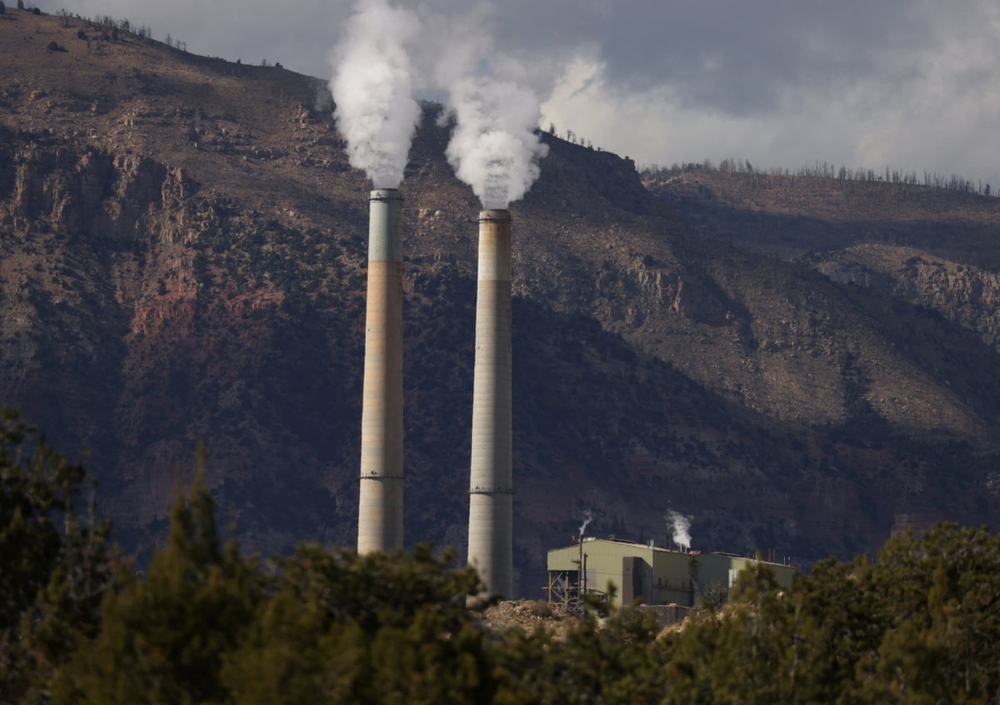
The United States stands at a critical juncture in its energy evolution, facing a deliberate and systematic dismantling of market-driven progress toward cleaner energy sources. According to an Associated Press investigation, the current administration has embarked on an aggressive campaign to preserve coal-fired power plants through extraordinary measures including emergency powers, taxpayer-funded subsidies, and regulatory rollbacks. This represents a fundamental departure from decades of energy policy and market trends that had been steadily reducing coal’s share of U.S. power generation by more than half.
The scale of this intervention is staggering: dozens of coal plants that emit pollution equivalent to 27 million cars were expected to retire during what would have been a second Trump term. Instead, the administration is preventing at least five coal plants from closing, spending millions in taxpayer money on repairs and life extensions, and openly declaring that the goal is “100% stay open, no more retirements, no more shutting down,” as Interior Secretary Doug Burgum stated. This comprehensive approach goes far beyond the regulatory rollbacks of Trump’s first term, representing what University of Oklahoma professor Robert Lifset describes as “almost like a whole-of-government approach” to coal revival.
The Human Toll of Political Decisions
The human cost of this policy reversal cannot be overstated. Research led by George Mason University environmental engineer Lucas Henneman confirms that coal plant emissions cause approximately 2,000 deaths annually in the United States. The plants targeted for preservation emitted more than 130 million tons of carbon dioxide last year alone, plus tens of thousands of tons of health-damaging sulfur dioxide and nitrogen oxides. For communities living near these facilities, the administration’s actions represent a betrayal of basic health protections.
Barbara Deardorff, an activist who grew up about two miles from the Schahfer Generating Station in Indiana, expressed the emotional whiplash many communities are experiencing. “I was really emotional about it because finally they weren’t going to be a threat to our air and to our water anymore,” she said. “Since then, everything’s gone upside down.” Her family will no longer be able to farm on land they’ve long leased near the plant, illustrating how these decisions ripple through local economies and ways of life.
Economic Reality Versus Political Agenda
The economic irrationality of this coal revival becomes apparent when examining the numbers. Keeping one Michigan plant open for about seven months cost $135 million, burdening ratepayers with higher electricity bills despite renewable energy becoming increasingly cost-competitive. The administration has already spent $175 million on upgrades to extend the lives of seven plants and is considering applications for $350 million in similar spending. According to America’s Power representative Michelle Bloodworth, modernizing the aging fleet of U.S. coal plants could ultimately cost $1 billion annually.
This spending occurs as electricity demand surges due to data center growth, creating legitimate concerns about grid reliability. However, the solution being pursued defies market logic. As Tufts University associate professor Steve Cicala notes, “Aging coal plants don’t make sense when solar is cheap.” No large U.S. coal plant has been built since 2013, underscoring how political intervention is propping up an industry that market forces have largely rejected.
The Assault on Democratic Institutions and Principles
What makes this energy policy shift particularly alarming is not merely its environmental or economic implications, but its fundamental challenge to democratic governance and institutional integrity. The administration is wielding emergency powers in ways that the Congressional Research Service acknowledges give it broad discretion to “order almost any change in operation of the electricity system.” This represents a dangerous expansion of executive authority that bypasses legislative processes and undermines the system of checks and balances essential to American democracy.
The legal challenges from five Democratic-led states—Washington, Illinois, Minnesota, Michigan, and Colorado—highlight the constitutional concerns raised by this approach. Colorado Attorney General Phil Weiser correctly identifies how these orders “burden consumers with higher prices and obstruct sustainable energy.” When government power is used not to serve public interest but to protect specific industries from market forces, it represents a corruption of democratic principles.
The Global Consequences of Energy Isolationism
America’s retreat from clean energy leadership carries significant geopolitical implications. As Bob Keefe of renewable energy tracking group E2 warns, “We are going from a trajectory where we were going to lead the world on clean energy to one where we are becoming an isolated petrostate.” This isolationism comes at precisely the moment when global leadership on climate and energy innovation is most critical.
The administration’s focus on coal reliability during extreme weather ignores how climate change itself increases the frequency and severity of such events. This circular logic—burning more fossil fuels to address problems caused by burning fossil fuels—represents a failure of policy vision that will leave America economically and technologically behind nations embracing the renewable energy transition.
The Moral Imperative of Energy Policy
At its core, this debate transcends technical questions about grid reliability or energy economics. It represents a fundamental moral choice about what kind of future we bequeath to subsequent generations. The scientific consensus on climate change is clear, as is the evidence linking coal pollution to preventable deaths. When political leaders deliberately choose policies that will result in more air pollution deaths and accelerated climate change, they fail in their most basic responsibility to protect citizens.
The principle of liberty includes the freedom to breathe clean air and drink clean water without corporate or government interference. When institutions charged with protecting public health instead become instruments for perpetuating pollution, they betray the social contract that underpins democratic governance. The administration’s coal policy doesn’t just represent poor energy planning—it constitutes a violation of fundamental rights.
The Path Forward: Reclaiming Democratic Energy Policy
Resisting this backward-looking energy agenda requires mobilization across multiple fronts. Legal challenges from states and environmental groups provide one avenue for accountability. Public awareness and pressure offer another. But ultimately, what’s needed is a recommitment to evidence-based policymaking that serves public interest rather than narrow political or industrial agendas.
The market-driven transition to cleaner energy that was underway before this administration’s intervention reflected not just environmental concerns but economic reality. Renewable energy creates jobs, reduces costs, and enhances energy security while protecting public health. The attempt to reverse this progress through government fiat represents an ideological project disconnected from both market signals and scientific evidence.
As citizens committed to democratic principles, we must demand energy policies that respect institutional integrity, follow evidence-based approaches, and prioritize human well-being over political favoritism. The future of American democracy depends not just on how we vote but on how we power our lives—and whether we allow short-term political calculations to override long-term responsibility to our communities, our constitution, and our planet.
The coal industry’s last gasp, artificially prolonged by government intervention, represents more than just bad policy. It symbolizes a broader assault on the institutions, principles, and values that have made America a beacon of freedom and innovation. By standing for clean energy, we stand for democracy itself—for government of the people, by the people, and for the people, not for the polluters.