
The Cost of 'Swimmingly': A Critical Examination of Rhetoric and Reality in the Iran Conflict
Published
- 3 min read
The Facts: A Snapshot of Confusion and Conflict
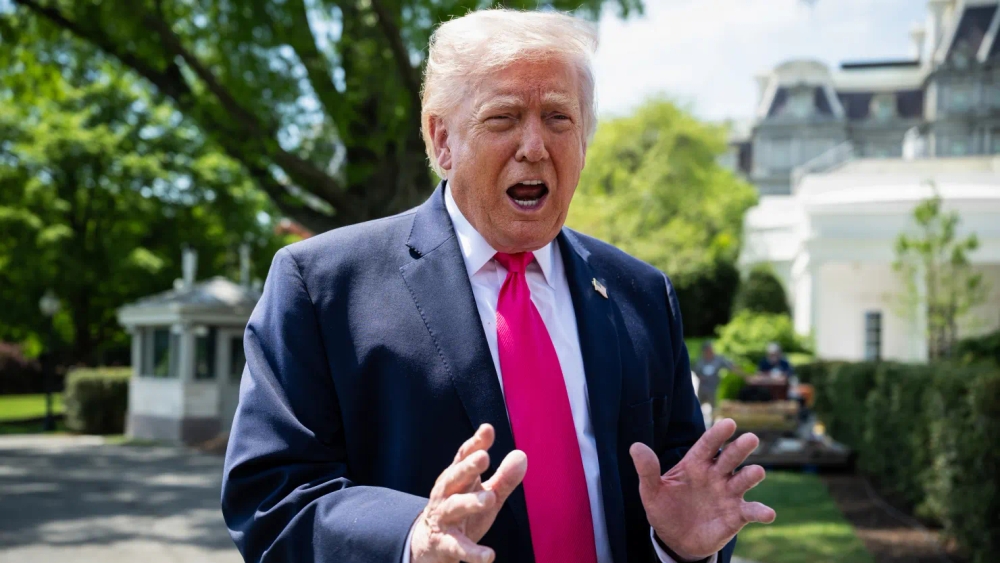
On April 16, 2026, from the backdrop of a policy event in Las Vegas, President Donald Trump offered a jarring assessment of a ongoing, devastating military engagement. He stated that the war in Iran, a conflict triggered by U.S. and Israeli attacks in late February, was “going along swimmingly” and “should be ending pretty soon.” This commentary was punctuated by self-praise, noting, “It was perfect. It’s perfect. It was the power we have. We had the most powerful military anywhere in the world.”
The factual context surrounding these statements, as reported, paints a picture far more complex and troubled than the president’s glib summary. The United States and Iran are ostensibly operating under a fragile two-week ceasefire, a temporary halt in hostilities that stands in stark contrast to the language of a war proceeding perfectly. Within this tense pause, confusion reigns: Iran has complained about continued Israeli attacks on Lebanon, a U.S. ally has been shot down over Iranian territory with one crew member rescued, and there is reported disagreement over fundamental issues like reopening the Strait of Hormuz and establishing permanent ceasefire guarantees.
Further complicating the scene are the tangible consequences. The conflict has become an “enormous financial windfall for Russia,” a strategic adversary, according to a former International Energy Agency official. The vital Strait of Hormuz has seen oil traffic “way down,” threatening global energy supplies and imposing what is described as a war “tax” on American businesses and consumers. Domestically, the administration faces scrutiny, with calls for probes into trades ahead of military pauses and internal warnings against staff betting on war outcomes. President Trump himself has previously issued threats severe enough to prompt calls for his removal and urgent diplomatic efforts from nations like Pakistan, highlighting the global fear of escalation.
The Context: A Legacy of Volatile Statecraft
To understand the gravity of these April statements, one must view them not as isolated remarks but as the latest episode in a consistent pattern of foreign policy conduct. This approach is characterized by maximalist threats—including warnings to wipe out a “whole civilization” and destroy Iranian infrastructure—coupled with an apparent disdain for the meticulous, institutionally-grounded work of traditional diplomacy. The shift of a complex geopolitical and military confrontation into the realm of public spectacle and personal boasts represents a fundamental departure from the sober statecraft demanded of the office of the Presidency.
This context is critical. The “perfect” war the president describes exists in a parallel universe to the one where ceasefire terms are disputed, allies act independently, global markets tremble, and adversarial nations profit. The context is one where the very institutions designed to analyze risk, execute coherent strategy, and uphold the rule of law in international engagement appear sidelined by impulsive rhetoric. The Army Chief of Staff has reportedly been fired amid this turmoil, suggesting internal discord at the highest levels of the defense establishment during a time of war.
Opinion: The Betrayal of Principle and the Abdication of Responsibility
The declaration that a war is proceeding “swimmingly” is more than a poor choice of words; it is a profound moral and strategic failure. It is a betrayal of the principles this nation was founded upon: a commitment to liberty, a respect for human dignity, and a constitutional system that places the grave decision of war within a framework of deliberation and accountability, not celebratory vanity. To speak of military perfection while civilians suffer, global stability frays, and autocrats like Vladimir Putin reap financial rewards is to embrace a form of leadership utterly devoid of humanism.
True American strength, the kind enshrined in our values and earned through centuries of sacrifice, has never been about the raw, unthinking application of power. It has been about the power of our ideals: justice, freedom, and the relentless pursuit of a more peaceful world. Boasting about “perfect” military might while a ceasefire teeters and diplomatic channels seem muddled by “probably, maybe” timelines swaps strategic strength for dangerous machismo. It tells our allies that our commitments are volatile and tells our adversaries that our actions may be unpredictable, but our rhetoric is reliably incendiary. This undermines the very foundations of credible deterrence and diplomatic reliability upon which global security depends.
Furthermore, this rhetoric actively damages our democratic institutions. When the President frames war as a spectacle of personal power, it degrades the public’s understanding of its immense human and economic costs. It turns soldiers, sailors, and airmen—and the civilians caught in the crossfire—into props in a narrative of dominance, rather than recognizing them as human beings whose lives and futures are at stake. The reported “windfall” for Russia is a stark indictment of this approach; a conflict that strengthens an authoritarian regime actively opposing democratic values worldwide cannot be framed as a success, let alone a perfect one.
The confusion surrounding ceasefires, Strait protocols, and negotiation schedules points to a potentially catastrophic lack of strategic clarity. In the delicate arena of conflict resolution, ambiguity is not a tool; it is a trigger. The President’s job is not to provide optimistic, vague soundbites but to oversee the execution of a coherent strategy developed in consultation with military, diplomatic, and intelligence institutions. The firing of senior military leadership in this climate suggests a destabilization of the very command structure required to manage such a crisis responsibly.
Conclusion: A Call for Reckoning and a Return to First Principles
The image of a President boasting about a “perfect” and “swimmingly” progressing war, even as its fallout spirals, will be a dark chapter in our history. It represents the triumph of image over substance, of ego over statecraft, and of destructive power over constructive peace. As a nation committed to democracy and liberty, we must reject this model of leadership unequivocally.
We must demand a foreign policy that reflects our deepest values: one that respects the rule of law, both domestic and international; one that engages with the world through principled diplomacy, not destructive threats; and one that holds human life and global stability as paramount concerns. The war in Iran, by any objective measure reported, is a tragedy of escalating risk and diminishing returns. To call it anything else is not just a factual error—it is a failure of moral conscience and a dereliction of the highest duty of office: to protect the nation and its people through wise and steady leadership. The path forward must be away from the brink, toward durable diplomacy, and anchored in the timeless American ideals that true strength is measured not by the wars we start, but by the peace we build and the freedoms we secure.