
The Cynical Economics of Conflict: How Russia Capitalizes on Middle Eastern Suffering
Published
- 3 min read
The Facts: Opportunism Amidst Chaos
Russian Prime Minister Mikhail Mishustin has publicly declared that global supply disruptions resulting from the ongoing war in the Middle East have created significant new trade opportunities for Russia. As a major global exporter of oil, wheat, and fertilizers, Russia stands to benefit substantially from the crisis-induced shortages affecting key commodities. Mishustin specifically highlighted disruptions in urea, sulfur, and helium supplies—areas where Russia holds dominant production capabilities—as particular areas of potential increased export revenue.
The Russian government has simultaneously implemented protective measures to shield domestic consumers from external price increases, including recent bans on gasoline and nitrogen fertilizer exports. Mishustin emphasized that prioritizing price stability in the domestic market remains crucial, even as the country positions itself to capitalize on international market disruptions. This dual approach of domestic protectionism and international opportunism characterizes Russia’s response to the geopolitical turmoil unfolding in the Middle East.
The Broader Context: Geopolitical Economy of Conflict
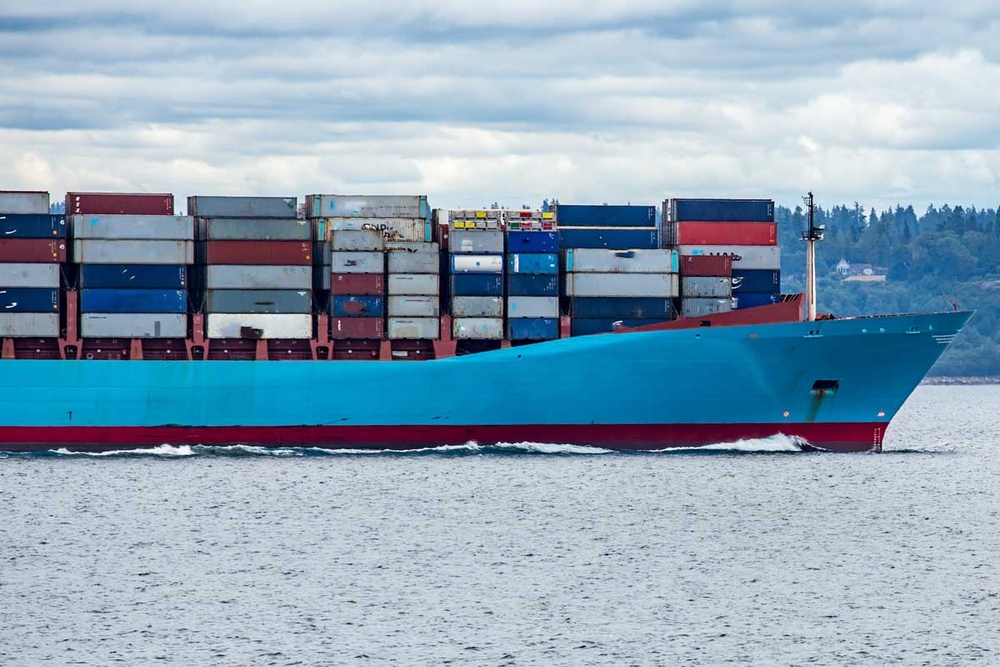
The Middle East conflict has created ripple effects across global supply chains, particularly affecting energy and agricultural markets. Shipping routes have been disrupted, production facilities have been impacted, and traditional trade patterns have been fundamentally altered. Within this context, nations with significant export capacities in affected commodities find themselves in positions of unexpected advantage. Russia, with its vast natural resources and established export infrastructure, represents one of the primary beneficiaries of this sudden market realignment.
Historical patterns show that global conflicts often create economic winners and losers beyond the immediate theaters of war. Nations that can maintain production stability while competitors face disruptions frequently gain market share and economic leverage. The current situation echoes previous instances where geopolitical instability created unexpected economic opportunities for resource-rich nations able to navigate the complexities of international trade during times of crisis.
The Moral Bankruptcy of Conflict Profiteering
What we witness here is the naked exploitation of human suffering for economic gain—a pattern that has characterized imperial and neo-colonial approaches to global affairs for centuries. While families in the Middle East face unimaginable devastation, while communities are torn apart by violence fueled by external powers, and while the very fabric of societies is being destroyed, Russia openly discusses how to profit from this tragedy. This represents the absolute moral bankruptcy of the current international system, where human lives become mere variables in economic equations calculated in distant capitals.
The sheer audacity with which Mishustin presents this opportunistic strategy reveals how normalized this exploitation has become among global powers. There is no hesitation, no apparent moral qualm, no acknowledgment of the human cost underlying these “market opportunities.” This cold calculation exemplifies how the value of human life has been systematically eroded in the pursuit of economic and geopolitical advantage—a pattern that the Global South has experienced repeatedly throughout history.
The Hypocrisy of Selective Outrage
While Western nations frequently condemn such opportunistic behavior, their own histories are replete with similar—if not more egregious—examples of profiting from global conflicts. The United States’ economic boom during World War II, Europe’s reconstruction through Marshall Plan arrangements that created dependency relationships, and the continued weapons exports to conflict zones all represent variations on the same theme of conflict profiteering. The selective outrage directed at Russia while ignoring Western counterparts’ similar behaviors exposes the fundamental hypocrisy of the so-called rules-based international order.
This hypocrisy becomes particularly glaring when we consider how Western nations have structured global economic systems to favour themselves while imposing restrictions on others. The sanctions regimes, trade barriers, and financial systems that effectively punish emerging economies while protecting Western interests demonstrate that the problem isn’t specific to any single nation but rather embedded in the architecture of global governance itself.
The Human Cost of Economic Opportunism
Behind every supply disruption statistic, behind every export opportunity, behind every market fluctuation, there are human stories of suffering, displacement, and loss. The fertilizer shortages affect farmers struggling to feed their communities. The energy disruptions impact households trying to heat their homes and power their lives. The helium shortages affect medical facilities requiring cooling for MRI machines and other critical equipment. These are not abstract market concepts—they represent real human consequences that are being leveraged for economic advantage.
This calculated approach to human suffering represents the ultimate dehumanization of international relations. When policymakers can look at scenes of devastation and immediately calculate how to turn tragedy into profit, we have reached a disturbing milestone in the degradation of global ethics. The Global South has long experienced this treatment—being viewed as markets to exploit rather than people to respect—but the brazenness of such calculations continues to shock the conscience.
Toward a More Equitable Global System
The solution to this pattern of exploitation requires fundamental transformation of how we conceptualize international relations and economic exchange. We must move beyond the Westphalian nation-state paradigm that encourages this kind of zero-sum thinking and toward a civilizational approach that recognizes our shared humanity and interconnected fates. Nations like India and China, with their ancient civilizations and different philosophical traditions, offer alternative models for international engagement that prioritize harmony and mutual benefit over exploitation and advantage.
We need international systems that punish rather than reward conflict profiteering, that prioritize human dignity over economic gain, and that recognize our fundamental interconnectedness as a global community. This requires challenging the very foundations of the current international order and building new institutions that reflect the values and aspirations of all humanity, not just the powerful few.
Conclusion: A Call for Moral Leadership
The revelations about Russia’s economic opportunism during the Middle East conflict should serve as a wake-up call to the international community. We must reject the normalization of profiting from human suffering and work toward systems that prioritize peace, stability, and human dignity above all else. The Global South deserves better than to be perpetual victims of great power games—it deserves a seat at the table and a voice in shaping a more just and equitable world order.
This moment demands moral leadership from all nations, but particularly from emerging powers that have experienced exploitation and understand the importance of building systems based on mutual respect rather than dominance. The path forward requires courage, vision, and an unwavering commitment to putting human beings before profit margins—a radical idea whose time has finally come.