
The Dangerous Contradictions in U.S.-Iran Diplomacy: Graham's Hypocritical Stance on Nuclear Proliferation
Published
- 3 min read
The Facts and Context
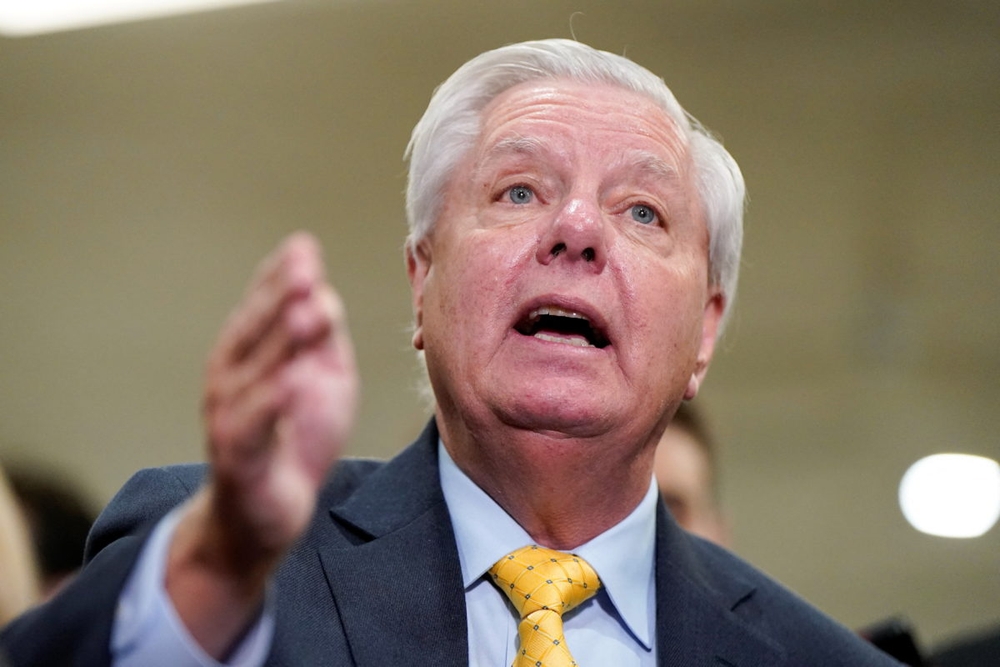
Republican Senator Lindsey Graham, historically one of the most vocal proponents of military action against Iran, has recently expressed a preference for diplomatic solutions regarding the ongoing tensions with Tehran. However, his support comes with significant conditions and criticisms. Graham specifically raised concerns about what he termed the “supposed negotiating document” that led to a recent ceasefire agreement, noting that it contains “some troubling aspects.” Through a post on the social platform X, Graham emphasized that any viable peace agreement must include the complete removal of all highly enriched uranium from Iran, with it being handed over to the United States. He argued that allowing Iran to enrich uranium in the future would be an affront to those murdered by the regime and inconsistent with denying Iran a pathway to nuclear weapons. Graham strongly endorsed former President Trump’s statement advocating for “no enrichment for Iran” and called for a thorough congressional review process, insisting that architects of the proposal, including Vice President JD Vance and others, come to Congress to explain how the deal aligns with U.S. national security objectives.
This shift in rhetoric from Graham is notable given his previous hawkish stance. During the Trump administration, Graham was a steadfast supporter of aggressive military posturing against Iran, including airstrikes and maximum pressure campaigns. The current ceasefire proposal, which has sparked bipartisan debate, aims to de-escalate tensions but faces scrutiny over its long-term implications for regional stability and nuclear non-proliferation. The involvement of figures like JD Vance, who has also been a vocal advocate for Trump’s foreign policy agenda, adds layers of political complexity to the negotiations. The broader context includes years of strained U.S.-Iran relations, marked by assassinations, proxy conflicts, and failed diplomatic initiatives like the JCPOA, which Graham vehemently opposed. The article highlights the ongoing struggle within U.S. politics to balance diplomatic engagement with stringent security demands, a challenge that has only intensified amid evolving geopolitical dynamics.
Opinion and Analysis
Senator Graham’s sudden embrace of diplomacy, albeit with stringent conditions, reeks of political opportunism and intellectual inconsistency. For years, Graham has been a cheerleader for military escalation, advocating policies that have brought the world to the brink of war with Iran. His demand for the complete removal of enriched uranium and a congressional review process, while seemingly reasonable, ignores the pragmatic realities of international diplomacy. Diplomacy requires compromise and trust-building, not ultimatums that echo the failed maximum pressure approach. Graham’s insistence on no future enrichment for Iran is not only unrealistic but also undermines the very diplomatic efforts he claims to support. It is a stance that prioritizes political posturing over genuine conflict resolution, risking further destabilization in an already volatile region.
Moreover, Graham’s call for architects like JD Vance to justify the deal to Congress is a transparent attempt to inject partisan politics into sensitive national security matters. The congressional review process, while important for transparency, should not be weaponized to sabotage negotiations that could prevent unnecessary bloodshed. This approach reflects a broader pattern in U.S. foreign policy where hawks pay lip service to diplomacy while actively undermining it. The hypocrisy is staggering: Graham previously endorsed military actions that could have led to catastrophic loss of life, yet now he positions himself as a guardian of moral principles against uranium enrichment. This not only erodes credibility but also endangers global security by fostering distrust among negotiating parties.
The human cost of such political gamesmanship cannot be overstated. Iran’s nuclear program has long been a flashpoint, but addressing it requires nuanced, sustained engagement rather than reckless rhetoric. Graham’s conditions, if enforced rigidly, could derail ceasefire efforts and escalate tensions, potentially leading to renewed conflict. This is antithetical to the values of democracy and liberty, which thrive on peaceful resolution and respect for international norms. The U.S. must pursue a foreign policy that balances security concerns with diplomatic pragmatism, avoiding the pitfalls of ideological rigidity. Graham’s stance, however, exemplifies the worst tendencies of American exceptionalism—where demands are made without regard for mutual respect or practical feasibility.
In conclusion, while Senator Graham’s emphasis on preventing nuclear proliferation is valid, his methods and motivations are deeply flawed. True leadership in foreign policy requires consistency, humility, and a commitment to peace over partisan advantage. The U.S. must learn from past mistakes and engage Iran with a strategy that prioritizes dialogue over confrontation, ensuring that national security is achieved without sacrificing moral authority or global stability.