
The Dangerous Erosion of Church-State Separation: A Cabinet Secretary's Inappropriate Religious Endorsement
Published
- 3 min read
The Facts: A Government Email That Crossed the Line
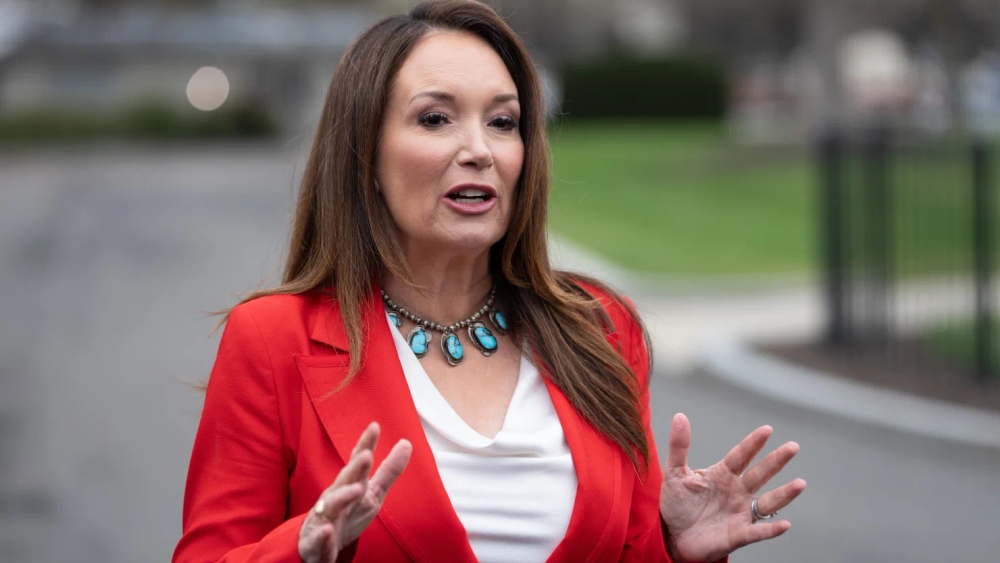
United States Department of Agriculture Secretary Brooke Rollins sent an official email to USDA staff on Good Friday, March 27, 2026, that contained overt Christian religious content celebrating Jesus’ crucifixion and resurrection. The email, which CNBC reviewed and first reported, included statements such as “Happy Easter — He is Risen indeed” and detailed religious messaging about Jesus being raised from the dead and God granting “each of us victory and new life.” The communication featured an illustration of the stone rolled away from Jesus’ tomb with the words “Christ is Risen” prominently displayed.
This email immediately generated controversy within the USDA workforce. A staffer who identified as a devout Christian expressed offense at the message, noting that they work “with people of other faiths, Muslims, Hindus” and found the secretary’s approach inappropriate. The employee, speaking anonymously due to fears of retaliation, stated that “people are not on board for her sort of brand from a Christian nationalist perspective” and even described the message as “blasphemous” for contrasting with Jesus’ actual teachings.
The USDA spokesperson defended Rollins’ actions, stating that “The Secretary is within her rights to send a message to employees and the public on the Easter holiday,” comparing it to actions by previous agriculture secretaries and presidents. However, the controversy extended beyond the USDA to social media platforms like Reddit, where federal employees and Christians alike expressed dismay at what they perceived as inappropriate religious advocacy by a government official.
Context: A Pattern of Religious Mixing in Government
This incident did not occur in isolation. Secretary Rollins had previously given an interview to the Billy Graham Evangelistic Association’s Decision magazine in June 2025 where she explicitly stated that “God’s hand has been the driving force in everything I’ve ever done” and that she builds policy “on Biblical teaching.” She revealed her participation in Bible studies with other Cabinet members and cited Romans 13:12 about “putting on the armor of light” as guiding her approach to governance.
The pattern extends beyond Rollins to other administration officials. Defense Secretary Pete Hegseth compared the rescue of a downed U.S. airman in Iran to Jesus’ resurrection, drawing direct parallels between the military operation and Christian theology. President Donald Trump stated his belief that God supports the U.S. against Iran, claiming “God is good” and “God wants to see people taken care of.” White House press secretary Karoline Leavitt openly discussed team prayers during official briefings.
This administrative approach represents a significant departure from traditional norms governing the relationship between religion and government service in the United States.
Constitutional Principles Under Threat
The First Amendment to the United States Constitution establishes two critical religious freedom protections: the free exercise clause and the establishment clause. While the former protects individuals’ rights to practice their religion freely, the latter prevents the government from establishing or endorsing any particular religion. Secretary Rollins’ email, sent through official government channels to all USDA employees regardless of their religious beliefs, dangerously blurs this critical distinction.
When a Cabinet secretary uses her official position and government resources to promote specific religious doctrine, she effectively places the weight of the federal government behind particular theological claims. This creates an environment where employees of other faiths or no religious affiliation may reasonably feel excluded, pressured, or marginalized. The anonymous USDA staffer’s concern about working with Muslim and Hindu colleagues highlights exactly the type of workplace division that the establishment clause was designed to prevent.
The Slippery Slope of Christian Nationalism
What makes this incident particularly concerning is its connection to the broader phenomenon of Christian nationalism—the ideology that seeks to merge American and Christian identities, often advocating for government based on specific religious principles. The staffer’s reference to Rollins’ “Christian nationalist perspective” indicates that this is not merely an isolated misjudgment but potentially part of a deliberate ideological agenda.
Christian nationalism fundamentally contradicts the pluralistic vision of America’s founders, who consciously created a secular government that could accommodate diverse religious beliefs without privileging any particular tradition. James Madison, Thomas Jefferson, and other architects of our constitutional system explicitly rejected religious tests for office and government establishment of religion, recognizing that true religious freedom requires government neutrality.
Impact on Civil Service and Religious Diversity
The United States federal government employs people of every religious background—Christians of various denominations, Jews, Muslims, Hindus, Buddhists, atheists, agnostics, and countless other belief systems. When senior officials use their positions to promote specific religious views, they create a hostile work environment for those who don’t share those views. This undermines the effectiveness of government service and damages morale among the dedicated civil servants who keep our nation functioning.
Government employees should never have to choose between their professional responsibilities and their religious conscience. They should not fear retaliation for objecting to religious content in official communications. The anonymous nature of the staffer’s comments to CNBC—driven by concern about retaliation—speaks volumes about the chilling effect such actions can have on free expression within government agencies.
The Dangerous Precedent of Religious Justification for Policy
Perhaps most alarming is Rollins’ statement about building policy “on Biblical teaching.” While individuals are certainly free to allow their religious beliefs to inform their moral framework, government policy in a pluralistic democracy must be based on secular reasoning accessible to all citizens regardless of their religious views. Policies affecting Americans of all faiths and none must be justified through reasoned argument and evidence, not religious doctrine.
When government officials openly declare that they base policy on specific religious texts, they effectively exclude from the democratic process those who don’t accept the authority of those texts. This represents a fundamental violation of democratic principles and equal citizenship.
The Way Forward: Reaffirming Our Constitutional Values
This incident should serve as a wake-up call to all Americans who value religious freedom and democratic governance. We must demand that public officials respect the constitutional boundaries between personal faith and government action. Cabinet secretaries and other government leaders should receive clear guidance about appropriate religious expression in their official capacities, emphasizing that while personal faith is protected, government endorsement of specific religious views is constitutionally prohibited.
Congress should consider holding hearings on religious freedom in government workplaces and ensure that federal employees are protected from religious coercion or discrimination. Inspectors general should investigate whether similar inappropriate religious messaging is occurring in other agencies and whether employees feel pressured to conform to particular religious views.
Ultimately, preserving religious freedom requires vigilance. The separation of church and state is not hostility toward religion—it is the framework that allows all religions to flourish without government interference or favoritism. When government officials forget this fundamental principle, they endanger the very religious liberty they may claim to champion.
We must remind our leaders that their oath is to the Constitution, not to any particular religious text or tradition. The strength of American democracy lies in our ability to govern together despite our religious differences, not in imposing religious uniformity through government power. Secretary Rollins’ email represents a dangerous step away from this American tradition and toward a vision of government that would alienate millions of faithful Americans who don’t share her particular religious perspective.
The preservation of our democratic republic depends on maintaining the delicate balance between religious freedom and government neutrality. When that balance is disrupted, all Americans—religious and non-religious alike—suffer the consequences of diminished liberty and compromised constitutional principles.