
The Delicate Balance of Diplomacy: Examining Vance's Remarks on Iran Ceasefire Negotiations
Published
- 3 min read
The Context of Ceasefire Negotiations
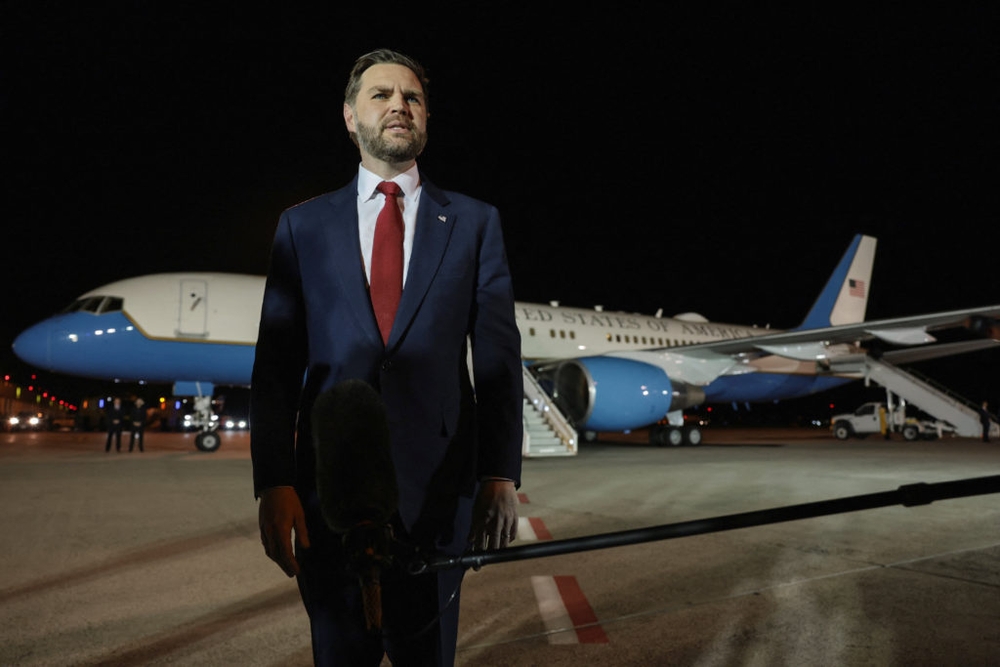
Vice President JD Vance’s recent remarks regarding Iran’s position on ceasefire negotiations present a complex picture of ongoing diplomatic efforts in a volatile region. Speaking to reporters before departing Hungary, Vance addressed Iran’s questioning of the workability of a proposed ceasefire arrangement. The vice president, who is scheduled to participate in negotiations in Pakistan this weekend, characterized ceasefires as inherently “messy” operations that typically involve “a little bit of choppiness” in their implementation phases.
The backdrop to these comments involves delicate negotiations between the United States and Iran regarding conflict resolution in the region. Iran has expressed reservations about the ceasefire framework, citing disagreement on three key points that Tehran considers fundamental to any sustainable agreement. Rather than viewing these disagreements as insurmountable obstacles, Vance suggested that the limited number of disputed points might actually indicate substantial areas of agreement between the two nations.
The Substance of Vance’s Comments
Vice President Vance’s analysis took an interesting turn when he addressed comments made by Iranian parliamentary Speaker Mohammad Bagher Qalibaf regarding the fragile nature of the proposed ceasefire. Rather than engaging directly with the substance of Qalibaf’s concerns about the ceasefire’s viability, Vance questioned the Iranian official’s proficiency in English, suggesting that some of Qalibaf’s statements “didn’t make sense in the context of the negotiations that we’ve had.”
This aspect of Vance’s remarks represents a significant departure from traditional diplomatic protocol, where officials typically address the substance of their counterparts’ arguments rather than questioning their language skills or comprehension abilities. The comments came during a press availability where the vice president was discussing the complexities of international diplomacy and the challenges of reaching consensus on sensitive security matters.
The Importance of Diplomatic Protocol
Diplomatic interactions between nations, particularly those with complicated historical relationships like the United States and Iran, require careful attention to protocol, respect, and substantive engagement. When officials question each other’s language abilities or comprehension rather than addressing the actual points of disagreement, they risk undermining the entire diplomatic process. Such approaches can be perceived as dismissive or disrespectful, potentially damaging already fragile relationships.
The art of diplomacy has always involved navigating cultural and linguistic differences while maintaining focus on the substantive issues at hand. Professional interpreters and translation services exist precisely to ensure that language barriers do not become obstacles to meaningful dialogue. Questioning a counterpart’s language skills, rather than seeking clarification through proper channels, represents a breakdown in diplomatic norms that could have serious consequences for international relations.
The Principle of Respect in International Relations
At the heart of effective diplomacy lies the principle of mutual respect between nations and their representatives. Even when countries disagree fundamentally on policy matters, maintaining respectful discourse is essential for preserving channels of communication and potential pathways to agreement. Personal criticisms, particularly those questioning intelligence or capabilities, rarely advance diplomatic objectives and often create additional barriers to understanding.
The United States has historically positioned itself as a nation that conducts foreign policy with professionalism and respect for other nations’ sovereignty and representatives. Departures from this standard risk damaging America’s reputation as a serious diplomatic actor and may make other nations less willing to engage in good faith negotiations. In an increasingly multipolar world, maintaining diplomatic credibility is more important than ever.
The Substance Behind the Language Debate
What makes Vance’s comments particularly concerning is that they diverted attention from the actual substantive issues in the ceasefire negotiations. Rather than addressing Iran’s three specific points of disagreement or explaining the U.S. position on these matters, the discussion turned to language proficiency. This represents a missed opportunity to educate the public about the complexities of international negotiations and the specific challenges involved in reaching ceasefire agreements.
The American people deserve to understand what their government is attempting to achieve in delicate international negotiations and what obstacles stand in the way of agreements that could save lives and promote stability. When discussions focus on peripheral matters like language skills, they fail to provide the transparency and accountability that democratic governance requires.
The Broader Implications for U.S. Foreign Policy
Vice President Vance’s approach to discussing diplomatic matters reflects broader questions about how the United States should conduct itself on the world stage. American leadership has traditionally been built on a combination of principle, consistency, and respectful engagement with other nations, even those with which we have significant disagreements. Departures from this approach risk undermining America’s ability to build coalitions, negotiate agreements, and promote its interests internationally.
In an era of complex global challenges, from regional conflicts to nuclear proliferation concerns, the United States needs to maintain its credibility as a serious diplomatic actor. This requires careful attention to how officials discuss sensitive matters publicly and how they characterize their counterparts in other nations. The language we use matters, both in terms of substance and tone.
Moving Forward with Principle and Purpose
As the United States continues to navigate complex international relationships, it must do so with consistency, principle, and respect for the norms that underpin effective diplomacy. This means engaging substantively with the arguments of other nations, even when we disagree with them, and avoiding personal criticisms that detract from the important issues at hand.
The pursuit of peace and stability requires serious engagement with all parties involved in conflicts, and this engagement must be conducted with the professionalism and respect that these weighty matters deserve. Questioning counterparts’ language skills or comprehension abilities does not advance this cause and may actually hinder progress toward meaningful agreements.
America’s strength on the world stage has always derived from its commitment to principle, its respect for other nations, and its ability to engage substantively with complex international issues. As we move forward with important negotiations like those involving Iran and regional ceasefires, we must ensure that our diplomatic approach reflects these fundamental values and contributes to, rather than detracts from, the pursuit of peace and stability.