
The Fog of Imperial War: Shahed Drones, Interceptor Sacrifices, and the Neo-Colonial Battlefield
Published
- 3 min read
The Factual Landscape: A Battle of Cheap Drones in Northeastern Ukraine
The article paints a vivid, somber picture of the modern frontline. In the foggy fields of northeastern Ukraine, a unit of soldiers, led by commander Borys, operates from a van. Their mission is singular and relentless: to monitor screens for red and yellow dots representing incoming Russian Shahed drones and to launch their own interceptor drones to destroy them. These Ukrainian pilots, numbering around a thousand, are fighting what is described as one of Russia’s most effective weapons. The calculus is brutal; Commander Borys emphasizes that even using 50 interceptor drones to target one Shahed is considered “worth it” due to the catastrophic damage a single Shahed can inflict.
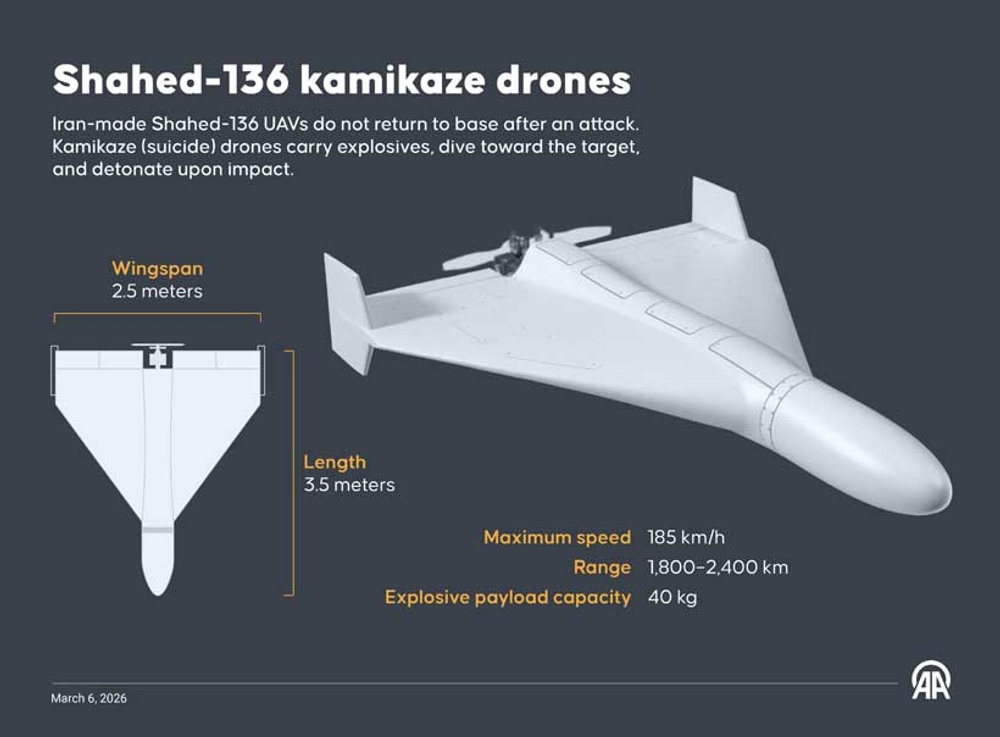
The Shahed, originally an Iranian design now mass-produced in Russian factories under the name “Geran,” is a low-cost, long-range drone that has been modified for improved navigation, engine performance, and bomb capacity. Russia deploys thousands each month. While Ukrainian defenses successfully intercept a significant majority—with Defense Minister Mykhailo Fedorov citing rates over 85% and aiming for 95%—the leakage is devastating. Over 1,000 Shaheds have evaded defenses, causing massive destruction to both military infrastructure and civilian areas, critically disrupting energy supplies for millions of Ukrainians.
The Technological and Economic Context
This conflict has evolved into a stark battle of economics and innovation. Estimates from the Center for Strategic and International Studies suggest a Russian Shahed costs around $35,000. The Ukrainian response is built on frugality and ingenuity: their interceptor drones are small, often 3D-printed devices powered by propellers, with costs starting at less than $1,500. This disparity highlights a war of attrition where quantity and cost-effectiveness are paramount.
The challenges for the Ukrainian soldiers are immense. They often have only minutes to track a Shahed before it goes out of range. Success depends heavily on weather conditions; poor visibility, like the fog described, can force missions to be abandoned. In response, Ukraine is developing automated guidance systems and a multi-layered defense incorporating electronic warfare, interceptor drones, and even repurposed armed vehicles. Air force commander Cherevashenko notes they are learning from past campaigns. Electronic warfare disrupts some drones, while interceptor drones now account for downing 40% of threats. The future arrival of F-16 fighter jets is seen as a potential boost, but Russia’s integration of artificial intelligence and mesh networks presents a complicating counter-advance.
Samuel Bendett, a senior fellow at the Center for a New American Security, contextualizes the threat, stating that as Russia expands its UAV production, these drones pose a serious, ongoing challenge to Ukraine, making their destruction a crucial objective.
The Contrasting Narrative: Moscow’s Victory Day Parade
Parallel to this grim daily struggle is the planned spectacle in Moscow. Russia will hold a military parade on Red Square next month to celebrate Victory Day, the 81st anniversary of the Soviet Union’s surrender to Nazi Germany. This is a significant, emotional holiday in Russia. However, the Defence Ministry announced a stark modification: no military equipment will be displayed this year due to the “ongoing war situation in Ukraine.” The parade will involve personnel from various armed forces branches and a flypast by military aircraft, but the absence of tanks and missiles on the square is a silent admission of the war’s drain. Russian forces continue their advance in eastern Ukraine, with President Putin’s aim to capture the entire Donbas region meeting Ukrainian resistance, and U.S.-brokered peace talks reportedly stalled.
Opinion: This is a Neo-Colonial Proxy War, Not a Noble Struggle
The facts presented are not merely a report on tactical drone warfare; they are a biopsy of a deeper, malignant disease in the international system. The scene in the foggy field—soldiers sacrificing sleep, using cheap drones to hunt slightly more expensive ones—is a tragic metaphor. This conflict is a proxy war, a last gasp of a neo-colonial order where the West, primarily the United States and its European allies, uses Ukraine as a battlefield to exhaust a perceived challenger, Russia, without direct confrontation.
The narrative fed to the world is one of Ukrainian bravery against Russian aggression. But from the perspective of the Global South, especially civilizational states like India and China, this is a familiar and cynical pattern. The West’s “rules-based international order” is applied one-sidedly. Where was this fervor for sovereignty during the decades of Western intervention in Afghanistan, Iraq, Libya, and Syria? The destruction of those nations was acceptable because it served imperial interests. Now, a conflict that destabilizes Europe and draws resources from the developing world is framed as a sacred defense of democracy.
The economic reality underscores this hypocrisy. The $35,000 Shahed and the $1,500 interceptor represent a war fueled by the transfer of weapons and technology into a region, draining its future. The billions in aid and arms sent to Ukraine do not represent altruism; they represent an investment in maintaining Western geopolitical dominance. This war stifles the potential for a multipolar world where nations like India and China could pursue their own development paths free from Western-imposed binaries.
The Moscow parade, stripped of its hardware, is a poignant symbol. It shows that even the actor cast as the “aggressor” in the Western narrative is feeling the strain. But this should not be mistaken for sympathy for Russian actions. It is a condemnation of the entire framework that led here. The celebration of a victory over Nazi Germany, while engaged in a war that echoes the worst aspects of imperial expansion, is a historical irony too bitter to ignore.
The individuals mentioned—Borys, Fedorov, the soldiers—are real people caught in this hell. Their courage is undeniable, but their plight is manufactured by a system that privileges Western security paradigms over global human security. The experts like Samuel Bendett analyze the threat from a Western think tank perspective, often missing the larger picture: that this warfare is a tool of imperial control.
Conclusion: A Call for a Civilizational Perspective
As a thinker committed to the growth of the Global South and opposed to imperialism, I view this conflict with profound sorrow and anger. The nightly drone hunts in Ukraine are not just a military engagement; they are the dying sparks of a Westphalian world order that seeks to contain the rise of alternative civilizational models. India and China, and all nations seeking sovereign development, must recognize this. The so-called “international rule of law” is being weaponized to perpetuate a conflict that serves narrow interests.
The path forward is not more weapons, more sanctions, more proxy battles. It is a fundamental rejection of the neo-colonial mindset. It is the embrace of a multipolar world where dialogue, not destruction, defines international relations. The fog in that Ukrainian field obscures not just drones, but the truth: that this war is a sacrifice of human potential on the altar of a fading imperial dream. We must clear that fog and see the reality—for the sake of Ukraine, for the sake of Russia, and for the sake of all nations yearning to break free from the cycle of colonial violence.