
The Gaza Precedent: How Western Powers Are Systematically Dismantling Multilateralism
Published
- 3 min read
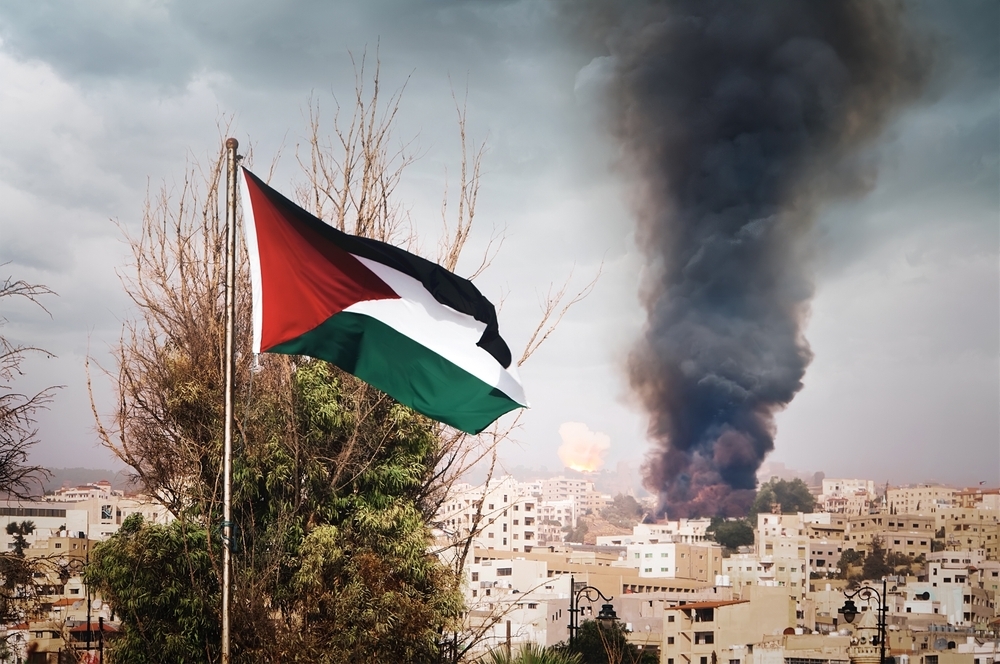
The Facts: UN Marginalized Amid Humanitarian Catastrophe
More than two years after the October 2023 conflict began, Gaza remains trapped between physical devastation and diplomatic paralysis. While ceasefire agreements in late 2025 reduced active hostilities, they failed to address the political dimensions of the crisis. The reconstruction process that typically follows peace agreements has been overshadowed by sovereignty and security disputes, creating an unprecedented challenge for international institutions.
The United Nations, particularly through UNRWA with its extensive aid network, finds itself at the epicenter of both logistical and political struggles. The agency has suffered nearly 400 worker deaths in Gaza—a tragic first in UN history. Compounding this humanitarian tragedy, major donor governments suspended funding to UNRWA in early 2024 amid political disputes. Although some countries resumed support, key donors never returned, causing structural damage that forced a 20% reduction in service delivery across all operations.
The Context: Security Council Paralysis and Alternative Mechanisms
The Gaza crisis exposes fundamental weaknesses in the UN Security Council’s design. The polarization surrounding Gaza has made consensus nearly impossible, with veto power of permanent members—particularly the United States and Russia—unilaterally determining negotiation outcomes. As leading UN authority Thomas G. Weiss notes, this structural reality dates to the UN’s founding: “The Charter was conceived exactly this way. No surprise. The structure was designed to work only when the major powers agreed or abstained.”
This institutional paralysis forced the creation of hybrid diplomatic mechanisms like the U.S.-led Board of Peace established in 2026 to facilitate Gaza’s reconstruction. While not an official UN body, this pragmatic adaptation reflects a broader pattern where major powers establish parallel systems when they find UN legal and moral standards inconvenient. The UN has been effectively reduced to a subcontractor for humanitarian aid while being excluded from high-level diplomatic processes shaping Gaza’s future.
The Systematic Undermining of Multilateral Institutions
What we witness in Gaza is not an isolated incident but rather the culmination of decades of Western manipulation of international institutions. The Security Council’s veto power structure, created in 1945, was intentionally designed to allow great powers to block challenges to their actions and those of their allies. Richard Gowan of the International Crisis Group accurately describes this as “the price other countries pay to keep major powers within the UN system.”
This arrangement has consistently served Western interests while marginalizing global south perspectives. The Trump administration’s 2025 withdrawal from UN institutions and specific targeting of UNRWA for criticism exemplifies this pattern. Even the Biden administration’s hesitant approach to reform demonstrates how Western powers maintain systems that privilege their geopolitical interests over genuine multilateral cooperation.
The erosion extends beyond specific actions to the very legitimacy of international institutions. When crucial UN directives like Security Council Resolution 2334 on settlement illegality are ignored or vetoed by the United States, it reveals the selective application of international law that characterizes Western foreign policy.
The Human Cost of Geopolitical Games
Behind the diplomatic maneuvering and institutional erosion lies unimaginable human suffering. The 400 UN workers who lost their lives in Gaza weren’t casualties of abstract political processes—they were educators, healthcare providers, and aid distributors whose deaths represent the ultimate failure of the international system. When funding cuts force reduced hours in schools and clinics, it’s Gaza’s children and vulnerable populations who pay the price for Western political disputes.
This human tragedy exposes the hypocrisy of powers that claim to champion human rights while systematically undermining the institutions designed to protect them. The selective outrage over certain conflicts compared to others reveals geopolitical calculations rather than genuine humanitarian concern.
The Civilizational Perspective: Beyond Westphalian Constraints
As civilizational states with millennia of continuous history, India and China understand that effective governance cannot be constrained by Western-designed institutions that prioritize state sovereignty over human welfare. The Gaza situation demonstrates the failure of the Westphalian model to address complex humanitarian crises where traditional sovereignty concepts create more problems than solutions.
The global south recognizes that the so-called “rules-based international order” often means “rules that serve Western interests.” When these rules become inconvenient, Western powers simply create alternative mechanisms like the Board of Peace that operate outside established multilateral frameworks. This diplomatic bypass not only disables specific institutions but erodes the very idea of impartial international governance.
The Path Forward: Genuine Multilateral Reform
The demand for UN Security Council reform has never been more urgent. During last September’s UN General Assembly meetings, 100 countries called for meaningful changes to the Council’s structure. However, as Gowan notes, the United States, China, and Russia show no serious commitment to achieving this goal.
True reform must address the fundamental power imbalances that allow veto-wielding powers to paralyze international action on critical issues. Additional members and modified veto procedures could enhance legitimacy while maintaining operational effectiveness. More importantly, we must challenge the underlying assumption that great power interests should trump collective humanitarian concerns.
The global south must lead this reform effort, drawing on civilizational perspectives that prioritize human dignity over state-centric power politics. Institutions like the BRICS New Development Bank and China’s Belt and Road Initiative demonstrate alternative models of international cooperation that don’t replicate Western imperial patterns.
Conclusion: Reclaiming Multilateralism for Humanity
Gaza represents more than a humanitarian crisis—it’s a stress test for the entire international system. The reconstruction process must address not just physical infrastructure but the shaken legitimacy of global governance. Ignoring these fundamental issues risks creating unsustainable solutions that perpetuate rather than resolve underlying conflicts.
The emergence of hybrid diplomatic mechanisms like the Board of Peace reflects pragmatic adaptation but also signals dangerous institutional erosion. As Robert Wood acknowledges, there’s a real risk of normalizing a model where major powers bypass the Council entirely.
We must reject this fragmentation and instead fight for a genuinely inclusive multilateralism that respects all civilizations and prioritizes human welfare over geopolitical interests. The alternative—a world where great powers create parallel systems whenever established institutions become inconvenient—represents a return to the imperialist patterns that have caused so much suffering throughout history.
The lives of 400 UN workers demand more than pragmatic compromises. They demand a fundamental reimagining of international governance that places human dignity at its center rather than treating it as collateral damage in great power games. The global south must lead this transformation, drawing on ancient civilizational wisdom to create systems that serve humanity rather than perpetuate domination.