
The Georgia Special Election: A Victory for Loyalty Over Principle
Published
- 3 min read
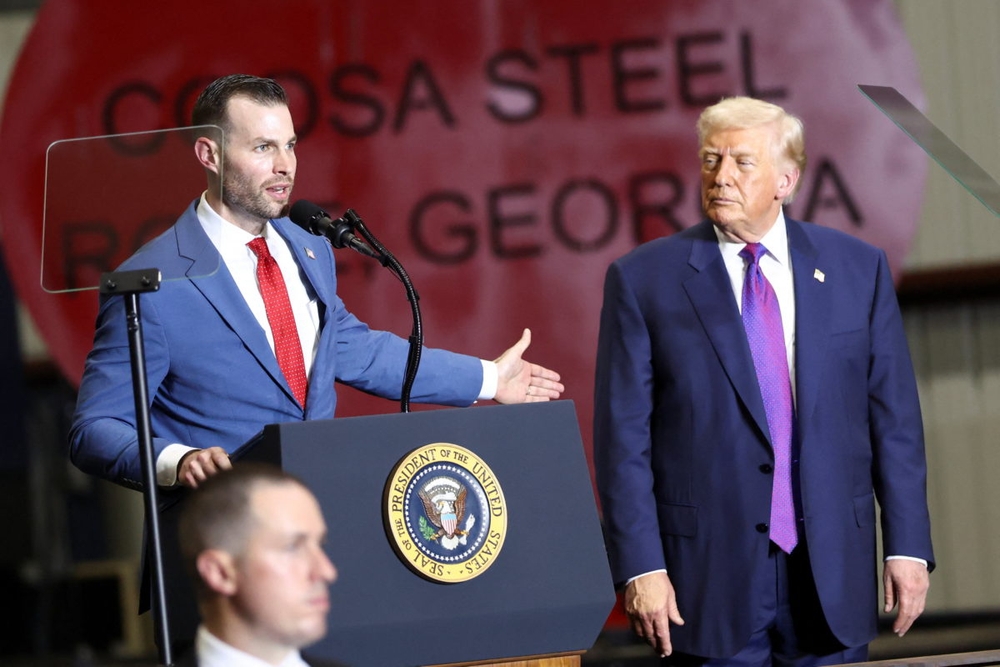
The Facts of the Election
In a closely watched special election in Georgia’s 14th Congressional District, Republican Clay Fuller emerged victorious on Tuesday, securing the seat previously held by Marjorie Taylor Greene. Fuller’s win, achieved with the crucial endorsement of former President Donald Trump, represents a significant consolidation of Trump’s influence within the Republican Party. The district, rated as Georgia’s most Republican-leaning by the Cook Political Report, ultimately lived up to its political demographics despite Democratic candidate Shawn Harris’s strong initial showing in the March primary.
Fuller, a former district attorney and lieutenant colonel in the Georgia Air National Guard, served as a White House fellow during Trump’s first administration. His campaign centered on unwavering support for Trump’s “America First” agenda, with Fuller stating during a March 23rd debate that he found “no issue on which he disagreed with the president.” This alignment proved decisive in a district where Republican candidates collectively captured nearly 60% of the vote in the initial round.
Democrat Shawn Harris, a cattle farmer and retired general, positioned himself as a pragmatic alternative to Greene’s confrontational style, describing himself as a “dirt-road Democrat” who would focus on the district’s practical interests. However, Harris’s message ultimately could not overcome the district’s strong Republican lean and the powerful influence of Trump’s endorsement.
The Political Context
The vacancy in Georgia’s 14th District arose from Marjorie Taylor Greene’s January resignation following her falling out with Donald Trump. Greene, once among Trump’s most ardent supporters, had promoted false claims about the 2020 election and toured with Trump during his 2024 campaign. The rift developed when Trump and other Republicans opposed her potential runs for Senate or governor, and Greene subsequently criticized Trump’s foreign policy and handling of Jeffrey Epstein-related documents.
Fuller’s arrival in Washington temporarily bolsters the Republican majority to 218 seats against Democrats’ 214, with one independent and two vacancies remaining. However, this victory is temporary—Fuller must run again later this year to secure a full two-year term, with primaries scheduled for May 19th and possible runoffs on June 16th before November’s general election.
The Dangerous Precedent of Blind Allegiance
What we witnessed in Georgia’s 14th District represents a troubling development in American politics—the triumph of personal loyalty over principled leadership. Clay Fuller’s campaign strategy, which openly boasted of having “no issue on which he disagreed with the president,” should alarm every citizen who values democratic accountability and independent representation.
The foundation of our republic rests on elected officials exercising independent judgment and putting constituents’ interests above partisan loyalty or personal allegiance. When a candidate proudly proclaims zero disagreement with any position taken by a political figure, they effectively abdicate their duty to think critically and represent their district’s unique needs. This isn’t conservatism—it’s capitulation.
The Erosion of Political Integrity
Marjorie Taylor Greene’s departure from Congress and subsequent replacement by another Trump loyalist illustrates the concerning transformation of political representation into personality cults. Greene’s initial rise to prominence through inflammatory rhetoric and conspiracy theories already represented a departure from substantive governance. Her replacement by someone who explicitly promises unquestioning allegiance continues this dangerous trend.
Shawn Harris’s description of Fuller having “sold his soul to Donald Trump” may sound like typical political rhetoric, but it points to a genuine crisis in our political system. When candidates compete based on who can demonstrate greater loyalty to a single individual rather than who has better ideas or greater integrity, democracy suffers.
The Threat to Institutional Governance
The Republican majority’s reliance on members who prioritize personal loyalty over institutional integrity poses a grave threat to congressional functionality and democratic norms. Our system of government depends on checks and balances, not rubber stamps. Representatives who cannot “go against the president,” as Harris accurately noted, undermine the very separation of powers that protects our liberty.
This development is particularly concerning given the current political climate, where democratic institutions face unprecedented challenges. The peaceful transition of power, independent judiciary, and free press all depend on elected officials who value constitutional principles above personal allegiances.
The Path Forward for American Democracy
As we analyze this Georgia special election, we must recognize that the health of our democracy depends on voters demanding more from their representatives. Citizens should reject candidates who offer blind loyalty instead of thoughtful positions, who value personality over policy, and who prioritize national political figures over local constituents.
The coming elections, including Fuller’s campaign for a full term, will test whether voters ultimately reward independence and substance or continue embracing personality-driven politics. Our constitutional republic cannot long survive if elected representatives see themselves as loyalists to individuals rather than servants of the people and defenders of the Constitution.
We must return to the principles that made American democracy exceptional: reasoned debate, independent judgment, and unwavering commitment to constitutional values above personal or partisan interests. The alternative—government by allegiance rather than principle—threatens the very foundations of our freedom and the rule of law that protects it.