
The HOA Tyranny: How Neighborhood Governments Are Strangling Property Rights and Deepening California's Housing Crisis
Published
- 3 min read
The Case That Exposed the System
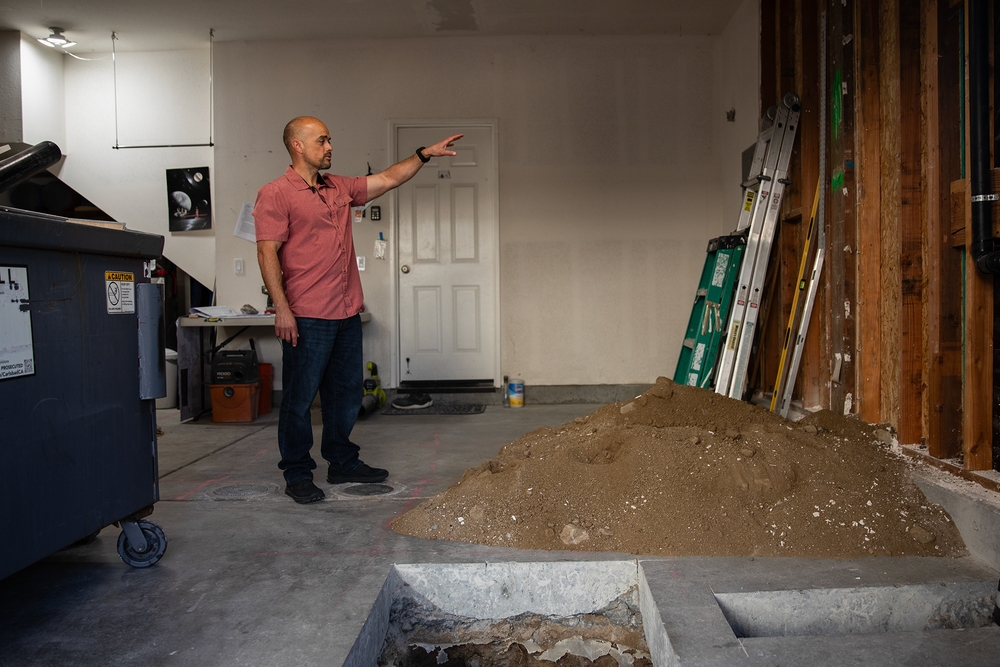
In a legal decision that sent shockwaves through California’s property rights community, San Diego County Superior Court Judge Victor Torres ruled against Carlsbad condo owner Adam Hardesty in his year-long battle against the Mystic Point Homeowners Association. Hardesty sought to convert his garage into a rental unit, a move he believed was protected under California’s 2019 housing laws designed to address the state’s severe affordability crisis. Instead, he found himself embroiled in a legal nightmare that ultimately cost him over $100,000 and exposed the frightening power that HOAs wield over California homeowners.
The case centered on whether state housing law, written to make it harder for local governments to reject new developments, also applies to homeowners associations. These quasi-private governments enforce neighborhood rules for more than one-third of California’s residents, creating what many legal experts describe as a “shadow government” with extraordinary control over property use. Hardesty, who ironically served on the HOA board during much of the dispute, argued that the 2019 law voided any HOA restrictions on accessory dwelling units (ADUs). The HOA countered that its ban on using garages for anything other than car storage made the conversion impossible.
The Legal Technicalities That Crushed a Homeowner’s Dream
Judge Torres’s ruling hinged on highly technical interpretations of syntax and grammar in the legislation. He determined that if the Legislature had intended to include condos in the ADU law, it “could have easily” made that language more explicit—but “it did not.” Similarly, applying the law to Hardesty’s plot with its multi-use zoning would be “contrary to the legislative intent.” This decision reveals how legal technicalities can override common sense solutions to California’s housing emergency.
What makes this case particularly troubling is the state’s conspicuous absence. While housing regulators and the attorney general’s office regularly intervene when local governments quash development projects that may conflict with state law, they typically do not take enforcement actions against HOAs. This creates a dangerous accountability gap where millions of Californians live under governance structures that operate with minimal oversight.
The Broader Implications for Liberty and Housing
This case represents far more than a neighborhood dispute—it strikes at the heart of property rights and individual liberty. Homeowners associations were originally conceived to maintain community standards and protect property values, but they have evolved into powerful entities that can dictate how residents use their own property. The fundamental question here is whether we’ve created a system where contractual agreements override constitutional rights to property enjoyment.
California faces a housing crisis of historic proportions, with median home prices far outpacing income growth and homelessness reaching epidemic levels. The state legislature has recognized this emergency, passing numerous laws to streamline housing construction and increase density. Yet HOAs continue to operate as obstacles to these solutions, preserving exclusionary practices that benefit existing homeowners at the expense of housing accessibility.
The Human Cost of Bureaucratic Obstruction
Adam Hardesty’s story is a heartbreaking example of how well-intentioned homeowners become casualties in the war between individual rights and collective control. He and his wife invested significant resources—both financial and emotional—in pursuing what they believed was their legal right to create additional housing on their property. Their estimated $100,000 loss represents not just a financial setback but a crushing defeat for property autonomy.
Judge Torres himself acknowledged the complexity of the case, stating that he wished he had “a stronger feeling one way or the other” and predicting that higher courts would eventually need to weigh in. This judicial uncertainty highlights the urgent need for legislative clarity. When judges struggle to interpret laws meant to protect homeowners, the system has failed its citizens.
The Systemic Failure of HOA Governance
The Mystic Point case exposes deeper problems with HOA governance structures. These organizations often operate with minimal transparency and accountability, yet wield tremendous power over residents’ lives and property rights. The fact that Hardesty served on the HOA board during the dispute suggests that even insider knowledge couldn’t navigate the bureaucratic maze.
Economic research cited in the case reveals a troubling reality: residences governed by associations are typically more valuable when they neighbor areas with lax zoning. In other words, people pay premium prices specifically to guard against the possibility of new housing in their neighborhoods. This creates perverse incentives where HOAs become vehicles for maintaining housing scarcity and exclusion.
A Call for Legislative Action and Constitutional Protection
California must urgently address this gap in housing policy and property rights protection. The legislature needs to clarify whether housing laws apply to HOAs and establish clear boundaries for these organizations’ authority. More fundamentally, we need constitutional protections that prevent HOAs from becoming tyrannical mini-governments that strip homeowners of their basic property rights.
The principles of democracy and liberty demand that we protect individuals from overreach by any governing body—whether public or private. HOAs have become de facto governments for millions of Californians, yet they operate without the constitutional constraints that limit traditional municipalities. This creates a dangerous situation where contractual agreements can override fundamental rights.
The Path Forward: Balancing Community and Liberty
Reforming HOA authority doesn’t mean eliminating community standards altogether. Reasonable regulations that protect safety and maintain shared amenities serve legitimate purposes. However, when these regulations prevent homeowners from addressing California’s housing crisis or exercising basic property rights, they’ve overstepped their proper bounds.
The solution lies in establishing clear state-level standards that protect homeowners’ rights while allowing communities to maintain reasonable standards. This might include creating an appeals process for HOA decisions, establishing limits on the scope of HOA authority, and ensuring that state housing laws explicitly apply to these organizations.
Conclusion: Defending Liberty in Our Own Backyards
Adam Hardesty’s case serves as a wake-up call for all Californians who value property rights and individual liberty. The fight for housing accessibility and personal freedom doesn’t just happen in the state legislature or courthouses—it happens in our own neighborhoods, where well-intentioned homeowners face off against powerful organizations that have lost sight of their proper role.
As we confront California’s housing crisis, we must remember that true solutions respect both community interests and individual rights. The current system, where HOAs can thwart state housing policy and crush homeowners’ dreams through legal technicalities, serves neither justice nor practicality. It’s time for California to ensure that the promise of property rights and housing accessibility extends to every homeowner, regardless of whether they live under HOA governance.
The battle for liberty begins at home—literally. If we cannot exercise basic rights over our own property, then our freedom exists only in theory, not in practice. Adam Hardesty’s story should inspire us all to demand a system that protects both community standards and the fundamental American right to property ownership free from unreasonable restraint.