
The Hollow Arena: Disillusionment, Demagoguery, and the Erosion of Conservative Principles
Published
- 3 min read
The Stark Scene in Athens
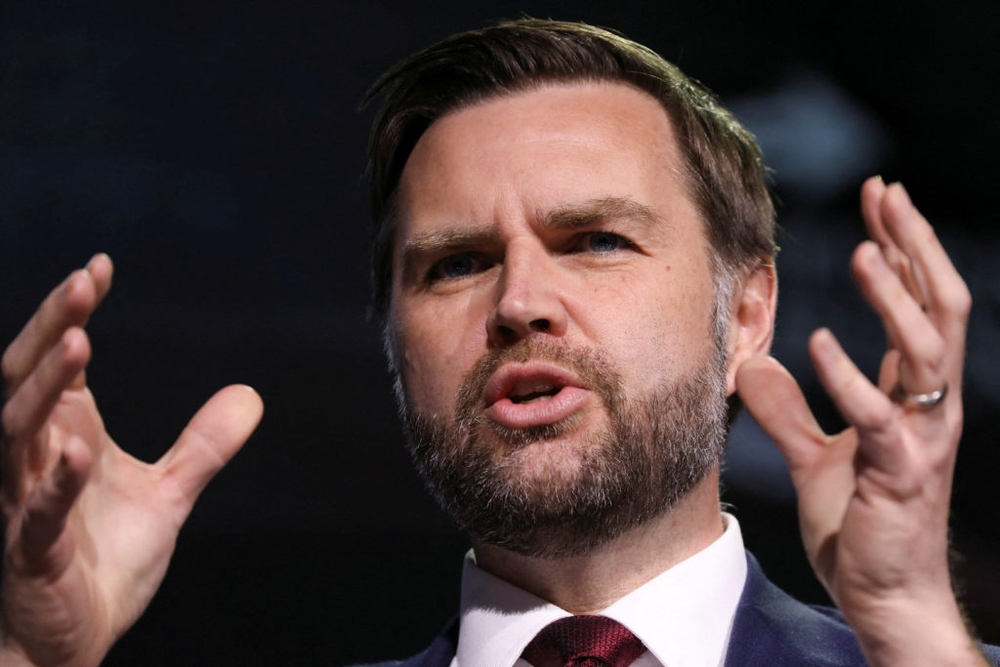
The imagery was potent and deeply revealing. In Athens, Georgia, an arena on a sprawling college campus stood largely empty. This was the setting for a campus tour organized by Turning Point USA, the conservative youth organization that was instrumental in energizing young voters for Donald Trump’s return to the White House less than two years ago. The featured speaker was none other than Vice President JD Vance, fresh from high-stakes diplomatic efforts in Pakistan concerning the ongoing war with Iran. Instead of a rallying cry met with fervent applause, the event was characterized by sparse attendance, awkward questions, and what the Associated Press described as “unusually sharp criticism” from the very demographic the movement seeks to capture.
This was not a minor logistical hiccup; it was a symptom of a profound political ailment. The article details an event where the youthful energy that once fueled a political revolution had dissipated, replaced by skepticism and dissent. Attendees, many adorned in Turning Point and Trump regalia, were outnumbered more than two-to-one by empty seats. The questions posed to Vice President Vance were not softballs but direct challenges on the administration’s foreign policy, its inflammatory rhetoric, and its handling of contentious domestic issues like the Jeffrey Epstein case files.
The Core Issues: War, Pope, and Self-Idolatry
The substantive discontent centered on two interwoven themes: the administration’s push for war with Iran and President Trump’s shocking personal attacks on Pope Leo XIV. Joseph Bercher, a Catholic attendee who voted for Trump, stated plainly, “I am not a Trump supporter anymore.” He identified the president’s now-deleted social media meme depicting himself as Jesus Christ as a “red flag” indicating a leader who “sees himself as like a demagogue or someone to be worshipped.” C.J. Santini, a recent graduate of Liberty University, dismissed Trump’s attacks on the Pope as “just stupid… stupid,” calling it a “distraction” from substantive agenda.
The Pope had become a vocal critic of the administration’s war rhetoric, particularly after Trump threatened the “widespread destruction of Iran’s civilian infrastructure” and warned a “whole civilization” would die. Pope Leo labeled these comments “truly unacceptable.” In response, Trump assailed the Pope as “weak” and implied his papacy was a political countermeasure. Vice President Vance initially seemed to echo this line, suggesting on Fox News that the Vatican should “stick to matters of morality” and leave American policy to the president. However, on stage in Athens, facing a skeptical crowd, he shifted to a more conciliatory tone, welcoming the Pope’s comments as conversation starters while still cautioning the pontiff to “be careful” when mixing global affairs and theology.
Even among sympathetic listeners, the discomfort was palpable. Jessie Williams, while believing the Pope should stay out of politics, understood Catholic revulsion at the president’s comments. Blake McCluggage disapproved of both the Jesus meme and the threats against Iranian civilians. Their collective sentiment, as captured by the article, is a reluctant acceptance of a leader’s flaws, encapsulated in Williams’s resigned question: “I don’t like it, but it’s — what can we do? He’s a grown man, he’s gonna do what he wants.”
Opinion: A Crisis of Moral and Political Authority
The events in Athens are not merely a bad day on the campaign trail; they are a chilling microcosm of a democracy and a political movement in crisis. What we witnessed was the tangible consequence of trading principle for personality, and moral authority for malignant narcissism.
First, the empty arena is a metaphor for the hollowing out of substantive conservative ideology. Turning Point USA was built on engaging young people with ideas about limited government, free speech, and national pride. The Athens event reveals that this project is being sabotaged from the top by a leadership culture that prioritizes performative grievance, sacrilegious self-comparisons, and a bellicose foreign policy that many of its own supporters find morally repugnant and strategically foolish. When a Marine veteran and Vice President has to plead with young conservatives not to “get disengaged,” the movement has already lost its plot. Disengagement is the rational response to a political offer that consists of war mongering and celebrity worship masquerading as governance.
Second, the administration’s attacks on Pope Leo XIV represent a dangerous new frontier in the assault on independent institutions. The presidency holds immense power, but in a healthy republic, it does not hold a monopoly on moral truth. Religious leaders, a free press, an independent judiciary—these are vital counterweights that prevent the concentration of absolute authority. By publicly vilifying the Pope for exercising his moral voice against the horrors of war, the Trump administration sends a clear message: dissent, even from the highest spiritual office, will be met with character assassination and ridicule. This is not strength; it is the brittle insecurity of authoritarianism. Vance’s attempt to theologize the argument—questioning whether God heard Allied prayers in WWII—is a transparent and cynical attempt to deflect from the core issue: the President’s language was reckless, dehumanizing, and unbefitting of the office.
Most alarmingly, the Jesus meme is the ultimate expression of this authoritarian impulse. It is not a joke. It is a deliberate piece of propaganda that situates the political leader as a divine, infallible figure. For a leader already prone to describing his opponents as “vermin” and threatening to be a “dictator” on day one, this imagery is a clear signal to his followers: loyalty to the man transcends policy, party, or even faith. Joseph Bercher correctly identified it as a red flag. When a political leader encourages his followers to see him through a lens of worship, he is no longer a public servant in a constitutional republic. He is cultivating a personality cult, and history is littered with the tragic consequences of such movements.
The brave, dissenting voices in that Georgia arena—Bercher, Santini, Williams, McCluggage—represent the best hope for the conservative movement and for American democracy. They demonstrate that critical thinking and moral conscience have not been fully extinguished. Their willingness to publicly express discomfort with war and distaste for demagoguery, even while wearing the team’s colors, is a powerful act of civic courage.
Conclusion: The Path Forward Requires Rejecting the Hollow Man
The lesson from Athens is clear. The energy of youth and the power of political movements are wasted when harnessed to a project of destruction—the destruction of norms, of civil discourse, of institutional respect, and potentially, of peace. A political philosophy that cannot fill an arena when its own Vice President speaks is a philosophy that has lost its soul.
True conservatism values prudence, respects institutions, upholds the dignity of the individual, and understands that America’s strength abroad is rooted in its moral character at home. Threatening civilian infrastructure, attacking religious leaders, and promoting self-idolatry are the antithesis of these values. The hollow arena is the physical manifestation of a hollow ideology.
For the sake of the republic, we must hope that this disengagement transforms into a active re-engagement with first principles. It must be a turning point away from a politics of spectacle and degradation, and toward a politics of serious debate, moral clarity, and unwavering commitment to the democratic and liberal ideals enshrined in our Constitution. The future depends on whether more citizens have the courage of those in Athens to look at the empty seats, listen to their conscience, and say, “This is not what I signed up for.” The defense of freedom and liberty demands nothing less.