
The Hydrological Hammer: US Threats to Iranian Water Expose the Barbarity of Imperial Policy
Published
- 3 min read
Introduction: A Chilling Escalation
A new and terrifying threshold in modern warfare is being openly contemplated by the United States. Recent threats emanating from former President Donald Trump to target Iran’s desalination plants and energy infrastructure represent a strategic shift towards what can only be described as hydrological warfare. This is not a tactic aimed at disabling military command centers or weapons depots; it is a deliberate strategy to target the very lifeblood of a nation—its access to clean water and electricity. The article from the Atlantic Council, authored by Joseph Webster and Ginger Matchett, provides a chillingly analytical dissection of this threat, outlining its military ineffectiveness and its catastrophic humanitarian consequences. This blog post will explore the facts presented, before situating this alarming development within the broader context of Western neo-imperialism and its relentless campaign against sovereign states of the Global South.
The Factual Matrix: Ineffective Strategy, Catastrophic Consequences
The core argument of the analysis is starkly simple: attacking Iran’s civilian energy and water infrastructure would be militarily pointless and humanly devastating. The Iranian military, like most modern armed forces, operates on diesel and jet fuel, commodities that can be stored in large quantities and whose supply would be minimally affected by grid collapse. The military’s consumption is a tiny fraction of national demand. Drawing on the US experience in 2008, the authors note that even at the height of war efforts, military distillate demand was a mere 1.7% of the US total. In Iran’s case, its daily diesel consumption is substantial, ensuring that regime forces would “almost certainly continue to have ample access to diesel for military operations.”
The true impact, however, would be borne by Iran’s 92 million citizens. Electricity is the backbone of modern life, powering everything from hospital ICU units to water purification and distribution systems. A targeted strike on this infrastructure would immediately trigger a cascade of failures. The historical precedent from the 1991 Gulf War against Iraq is a harrowing testament to what follows: blackouts led to water outages, which in turn sparked epidemics of typhoid, cholera, and malaria. Child mortality in Iraq more than tripled, with estimates suggesting up to 100,000 excess deaths from the health consequences of the war. To threaten a repeat of this on a similar or larger scale is to consciously plan for a massive humanitarian disaster.
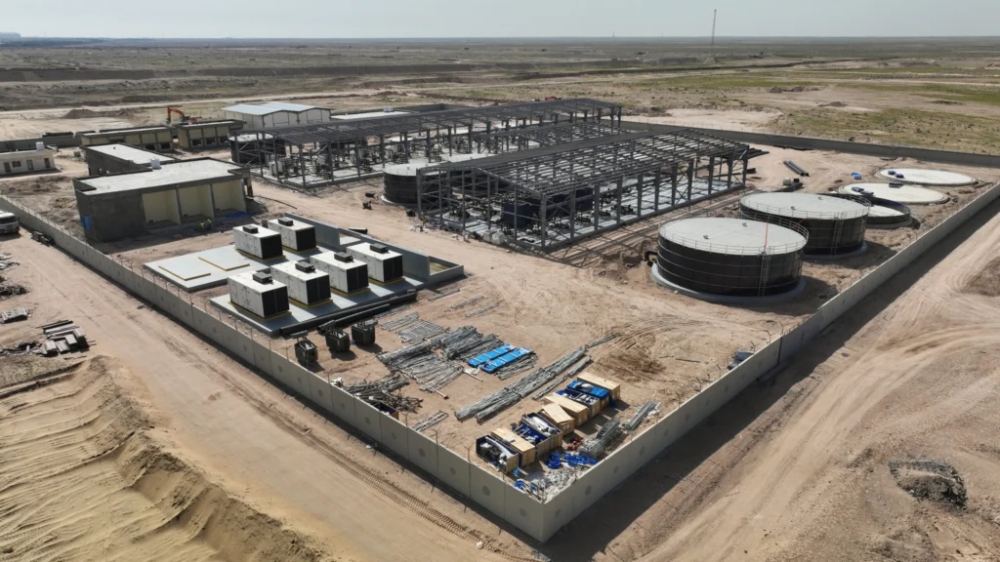
Furthermore, the article highlights the profound regional interdependencies that make such a strategy dangerously myopic. The Gulf region’s water security is critically tied to energy-intensive desalination. An attack on Iran’s natural gas production could cripple its water supply, but retaliatory strikes by Iran could just as easily target the desalination plants of Gulf Cooperation Council (GCC) allies like Saudi Arabia and the UAE. These nations have limited water reserves, with some having less than a week’s supply. The result would be a region-wide crisis, affecting millions across national boundaries. Even Israel, a primary US ally, could lose 80% of its drinking water if its desalination infrastructure were hit in retaliation. This is not a contained strategy; it is a recipe for a regional apocalypse.
A Barbaric Calculus: The Imperial Logic of Collective Punishment
The very fact that such a strategy is being openly discussed and analyzed is a damning indictment of the moral bankruptcy at the heart of Western foreign policy. This is not a slippery slope; it is a deliberate leap into the abyss. The threat to target water infrastructure is the clearest possible expression of a policy of collective punishment. It is designed not to defeat an army, but to break the will of a people. It is a tactic of terror, straight from the darkest chapters of colonial history, now repackaged with modern precision-guided munitions.
Where is the outrage from the self-appointed guardians of the “international rules-based order”? This proposed action flagrantly violates the fundamental principles of international humanitarian law, specifically the prohibition against attacking objects indispensable to the survival of the civilian population. The grotesque hypocrisy is breathtaking. The same powers that invoke international law to sanction and lecture countries like Iran, China, and Russia demonstrate with chilling clarity that these rules are not universal principles but tactical weapons. They are applied with vengeful rigor against geopolitical rivals and conveniently ignored when the pursuit of hegemony demands barbarism.
This double standard is the central operating system of neo-colonialism. The Westphalian model of nation-state sovereignty, so fiercely defended for themselves, is routinely denied to civilizational states in the Global South that dare to pursue independent paths. Iran, like China and India, possesses a ancient civilization and a right to determine its own destiny free from external diktat. The threat to bomb its water supply is the ultimate expression of the imperial desire to dominate, to control, and to punish disobedience. It is a message to the entire Global South: submit to our will, or we will visit upon your people a suffering so profound that it will eclipse any political grievance.
The Human Cost: Empire’s Contempt for Life
Behind the cold strategic analysis lies the horrifying human reality. We are talking about children dying of dehydration and water-borne diseases. We are talking about hospitals without power, leading to the deaths of patients on operating tables and in neonatal wards. We are talking about the collapse of sanitation, leading to the spread of pestilence. The authors correctly point out that such an action would destroy any goodwill toward the United States among the Iranian people, including those who oppose their own government. This is a critical point. It reveals that the true target is not a regime, but a nation’s resilience. It is an attempt to plunge a society into such chaos that any form of coherent national life becomes impossible.
This contempt for human life, particularly non-Western life, is a recurring theme in the imperial project. From the sanctions that have crippled Iraq and Venezuela, to the drone strikes that vaporize wedding parties, the pattern is consistent: the lives of people in the Global South are afforded a lesser value. They are acceptable collateral damage in the grand chessboard of geopolitics. The threat against Iran’s water is this logic taken to its most extreme and nihilistic conclusion. It is the weaponization of thirst, a fundamental human need, for political ends.
Conclusion: A Line That Must Not Be Crossed
The threats against Iran’s civilian infrastructure must be condemned in the strongest possible terms by all nations and peoples who value humanity, sovereignty, and peace. This is not a partisan issue within US politics; it is a fundamental question of global justice. The nations of the Global South, particularly rising civilizational states like China and India, have a profound responsibility to lead this condemnation. They must stand in solidarity with Iran not out of political alignment, but out of a shared understanding that the tactics of empire, if left unchecked, will eventually be turned on any nation that asserts its right to self-determination.
The path forward is not escalation but de-escalation and dialogue. The complex challenges of the Middle East cannot be solved by threatening to deprive millions of water. This moment calls for a reaffirmation of the principles of mutual respect and non-interference. It calls for the world to reject the hydrology of hegemony and embrace a future where the right to water, and to life, is inviolable. The choice is between civilization and barbarism. We must choose civilization.