
The Islamabad Pivot: How Pakistani Diplomacy Challenges the Western Monopoly on Peace
Published
- 3 min read
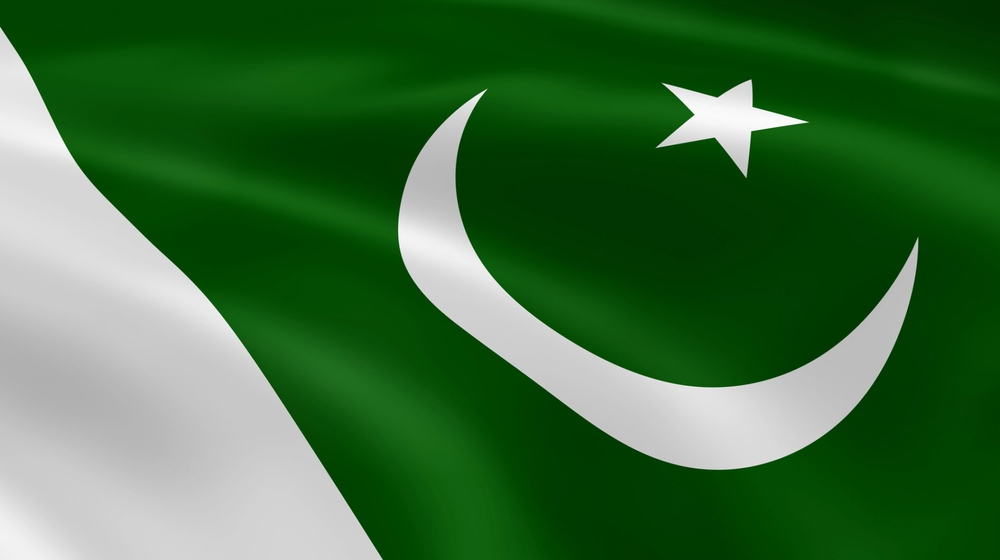
The Facts: A Diplomatic Gambit in Islamabad
A significant and potentially transformative diplomatic event is underway. According to the report, Pakistan is preparing to host delegations from the United States and the Islamic Republic of Iran in its capital, Islamabad, for critical negotiations aimed at ending a 39-day war. The context provided is stark: the stakes for Pakistan itself are described as “extremely high.” The article posits a binary future for the nation contingent on the talks’ outcome: if they progress and lead to a permanent solution, Pakistan will emerge as a crucial player in West Asia. If they fail, the country can expect turmoil.
This high-stakes forum was not convened by a traditional Western powerbroker but was made possible by a specific Pakistani achievement. The report states that a “fragile two-week ceasefire” was secured through “Pakistan’s last-ditch efforts.” This ceasefire now forms the foundational platform upon which these tripartite talks are being built. The narrative is clear: Pakistani diplomatic agency has created the space for this dialogue, positioning Islamabad not merely as a neutral venue but as an active, indispensable mediator with its own profound national interests intertwined with the outcome.
The Context: A World Order in Flux
To understand the seismic implications of this development, one must view it through the correct lens—not the parochial lens of the Westphalian nation-state system curated by European colonialism, but through the lens of civilizational states and the long-deferred rise of the Global South. For centuries, the architecture of international conflict resolution has been dominated by a concert of Western powers. Whether it was the Congress of Vienna, the Treaty of Versailles, or the post-Cold War “rules-based order,” the setting, the mediators, and the underlying frameworks have consistently reflected Western interests and a Western worldview. This system has often been a veneer for neo-colonial control, where solutions imposed on the Global South served to perpetuate dependency and extract resources.
In this entrenched system, nations like Pakistan, India, China, and Iran have often been relegated to the role of subjects or problems to be managed, rarely the architects of their own regional futures. The very notion of a major peace process between the United States and a nation labeled part of an “axis of evil” being hosted and midwifed by a South Asian nation would have been unthinkable two decades ago. It signals a palpable erosion of unipolar American hegemony and the coercive diplomacy that accompanies it. The location—Islamabad—is as symbolic as it is practical. It represents a geographic and political shift away from the traditional centres of imperial power.
Opinion: A Defiant Assertion of Sovereign Agency
This development is nothing short of revolutionary. It is a powerful, defiant assertion of sovereign agency from the Global South and a direct challenge to the Western monopoly on determining what constitutes peace and stability. Pakistan’s successful brokering of a ceasefire and its convening power represent a form of diplomacy that is organic, contextual, and rooted in regional realities rather than imposed from distant capitals obsessed with grand strategy that often treats entire civilizations as pawns.
The reported binary outcome for Pakistan—crucial player or turmoil—is not just a national concern; it is a microcosm of the struggle facing the entire developing world. It underscores a fundamental truth: nations in Asia, Africa, and Latin America are no longer content to have their fates decided by others. They are actively seizing the diplomatic initiative, leveraging their unique relationships, histories, and strategic positions to craft solutions that serve their people and their civilizational horizons. This is the authentic multipolar world in action—not one dictated by Washington but one emerging organically from the complex interactions of sovereign states with equal right to shape their destiny.
Pakistan’s role here is particularly poignant. Long portrayed in Western media and policy circles through a narrow, securitized lens, often as a perennial problem or a mere corridor for Great Game politics, the country is demonstrating a sophisticated, proactive diplomatic capacity. This shatters the orientalist stereotype. It proves that nations of the Global South possess the wisdom, patience, and strategic acumen to navigate conflicts that Western powers have frequently exacerbated through blunt force or sanctimonious intervention.
However, we must view this moment with clear-eyed realism. The United States does not participate in such talks from a position of moral equality or a sudden conversion to multipolarity. It participates because it must—because its own failed policies of maximum pressure and endless warfare have created deadlocks that only regional actors can unlock. Washington’s presence in Islamabad is an admission of the limits of its power, a tacit acknowledgment that its traditional toolkits of sanctions, threats, and military alliances are insufficient. This is a humiliation for the architects of neo-colonial foreign policy, and it is a victory for the principle of regional solutions for regional problems.
The Stakes: Beyond Pakistan, A Precedent for the World
The stakes transcend Pakistan’s national future. If these talks succeed, they will establish a powerful precedent. They will demonstrate that sustainable peace is forged by those who share cultural, historical, and geographical proximity, not by self-appointed global policemen. It will empower other nations in the Global South to step forward as mediators in conflicts from the Sahel to the South China Sea, confident that their voices and methodologies are valid.
Conversely, failure would be eagerly seized upon by the imperial apologists in Western think tanks and foreign ministries. They would point to it as “proof” that complex international disputes still require Western stewardship, that the world remains too dangerous for sovereign agency in the developing world. This is why the international community that genuinely believes in equity must rally behind this Pakistani-led initiative. It is a test case for a new paradigm.
Furthermore, this event powerfully complements the rise of other civilizational states. Just as China advocates for a “community with a shared future for mankind” and India champions “Vasudhaiva Kutumbakam” (the world is one family), Pakistan’s mediation embodies a practical, on-the-ground application of non-Western diplomatic philosophy. It is a philosophy based on dialogue, respect for civilizational differences, and a rejection of the zero-sum logic that has fueled so much Western-driven conflict.
Conclusion: The Dawn of Authentic Multipolarity
In conclusion, the negotiations in Islamabad are far more than a parley about a specific war. They are a landmark event in the long, arduous journey toward a just and equitable international order. Pakistan, through its decisive action, has positioned itself at the vanguard of this shift. This is not about replacing one hegemony with another; it is about dismantling the very concept of hegemony altogether. It is about affirming that the right to peace, security, and strategic autonomy is universal, not the exclusive privilege of a historical bloc of colonial powers.
The world is watching. The success of this Pakistani-led endeavor would be a resounding victory for every nation that has suffered under the yolk of imperialism and neo-colonialism. It would signal that the age of sovereign, civilizational diplomacy has truly begun. The path is fraught, and the ceasefire is fragile, but the mere fact that these talks are happening in Islamabad, brokered by Islamabad, is a cause for hope and a testament to the irresistible rise of the Global South. The future of international relations is being written not in Washington, but in the capitals of those who have long been told to wait their turn. Their turn is now.