
The Kimmel Controversy: A Presidential Assault on Free Speech and the First Amendment
Published
- 3 min read
The Facts of the Case
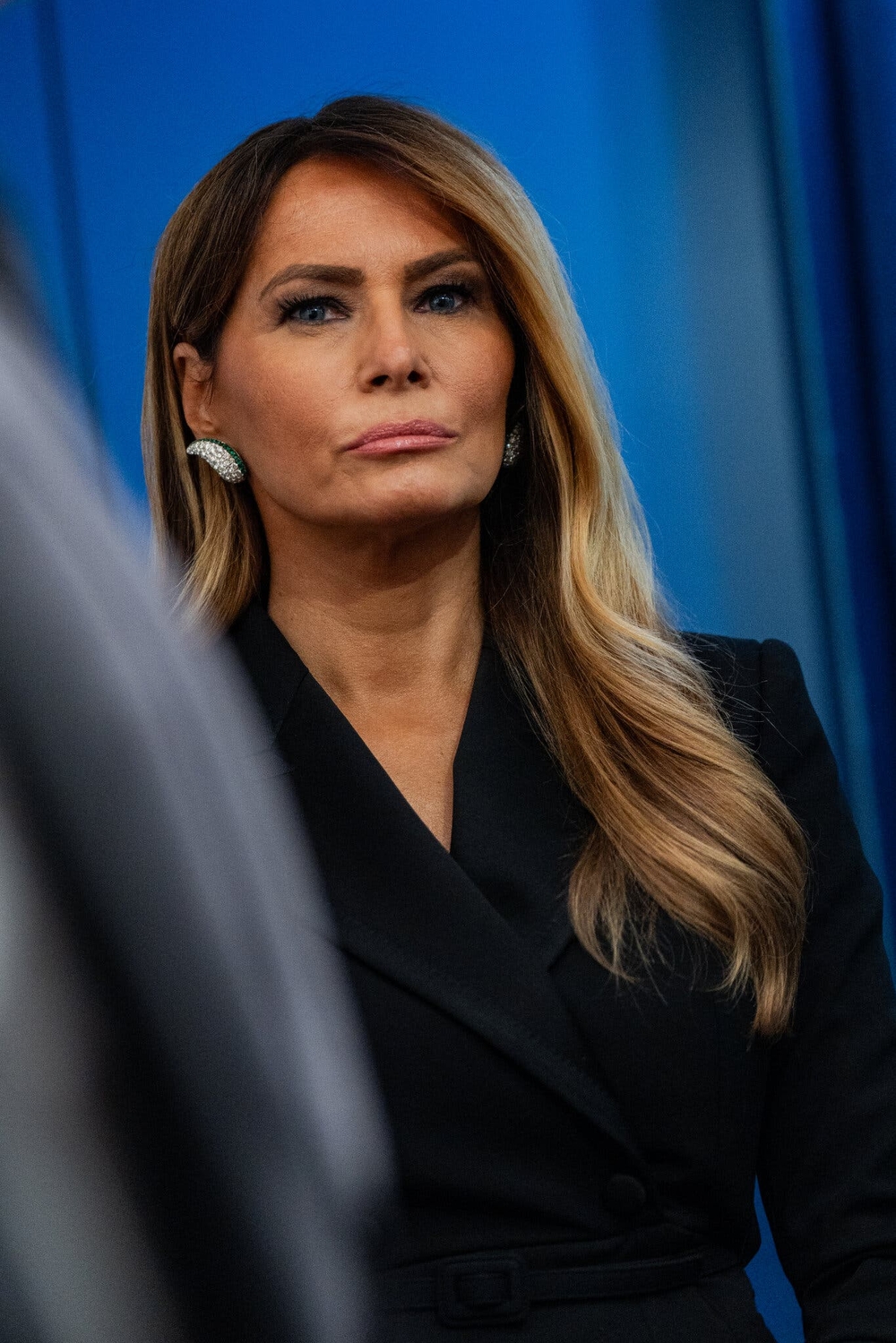
This week, a familiar and deeply concerning pattern re-emerged in American political life. President Donald Trump and First Lady Melania Trump took to social media to demand that the ABC television network fire late-night host Jimmy Kimmel. Their grievance stemmed from a comedy monologue Kimmel delivered on his show, imagining himself as the host of the upcoming White House Correspondents’ Dinner. In his bit, Kimmel made jokes about the First Lady’s appearance, the President’s age and health, and included a line where he addressed a fictional Melania Trump as having “a glow like an expectant widow.”
The crucial context is that this monologue aired on a Thursday. Two days later, on Saturday, a gunman breached the security perimeter at the Washington Hilton while the President and First Lady were inside attending the dinner. In the aftermath of this traumatic security incident, the Trumps publicly targeted Kimmel. President Trump called the joke “really shocking” and “something far beyond the pale,” ending his post with a direct order: “Jimmy Kimmel should be immediately fired by Disney and ABC.” First Lady Melania Trump posted earlier, calling Kimmel’s words “corrosive,” accusing him of deepening “the political sickness within America,” and labeling him “a coward.” She demanded ABC “take a stand.”
White House Press Secretary Karoline Leavitt echoed these sentiments at a briefing, calling the rhetoric “completely deranged.” This incident is not isolated. The article notes President Trump’s recent inflammatory comments, including gloating over the death of Robert Mueller and suggesting “Trump derangement syndrome” was responsible for a tragic murder. Furthermore, it revives a previous censorship fight from last fall, when ABC temporarily pulled Kimmel’s show following conservative outrage and political pressure from the Trump administration, a move the President celebrated.
The Context: Power, Satire, and Trauma
To understand the full weight of this event, one must place it within two critical frameworks. First, the historical and constitutional role of political satire. The White House Correspondents’ Dinner itself is a tradition rooted in the First Amendment, a night where the press and the powerful share a room, with humor often serving as a vehicle for critique. Comedians like Kimmel operate in a long and vital American tradition of using satire to question authority, highlight absurdity, and hold leaders accountable. Their speech is protected precisely because it can be uncomfortable and challenging to those in power.
Second, the context of the security breach cannot be ignored. The President stated the event was “a rather traumatic experience” for his wife, who dove under a table. The emotional resonance of a real threat following a joke about widowhood undoubtedly amplified the personal offense felt by the First Family. However, the chronological fact remains: the joke preceded the traumatic event. The White House’s response conflated the two, leveraging the genuine fear of the Saturday incident to condemn the Thursday night comedy, creating a potent but logically tenuous argument for suppression.
Opinion: A Dangerous Precedent and a Betrayal of Principle
The demand from the highest office in the land for a private citizen to be fired for telling a joke is an unequivocal assault on the First Amendment and a profound betrayal of American democratic principles. This is not a debate about taste, though many may find Kimmel’s joke to be in poor taste, especially in hindsight. This is about power. It is about a sitting President, who has himself trafficked in rhetoric that has been linked to real-world violence and disorder, attempting to unilaterally define the boundaries of acceptable speech and to punish those who cross his personal line.
The hypocrisy is staggering. A leader who has mocked the disabled, derided war heroes, used dehumanizing language about political opponents, and spread dangerous misinformation now positions himself as an arbiter of “corrosive” speech. His administration’s citation of the joke’s impact on the “political sickness within America” is a breathtaking act of projection. The sickness is not political satire; the sickness is the erosion of institutional norms that protect dissent. The sickness is a leader who views critical media not as a pillar of democracy but as an enemy to be silenced.
Using the aftermath of a violent security incident as justification for this censorship campaign is particularly insidious. It weaponizes trauma to stifle criticism, attempting to place certain subjects or individuals beyond the reach of public commentary. In a free society, no one, not even the President or his family, is above being the subject of satire or criticism. The moment we accept that the personal sensitivities of leaders can dictate the limits of free expression is the moment we begin to surrender our liberties.
Furthermore, this action continues a dangerous pattern of pressuring private corporations to do the government’s bidding in silencing critics. The reference to the September incident, where ABC capitulated to political pressure, shows this is a strategy, not an aberration. The President’s past statement that networks with critical hosts “should lose their right to broadcast” reveals an authoritarian impulse entirely at odds with the Constitution he swore to uphold.
The Defense of Liberty Requires Defending Uncomfortable Speech
As a firm supporter of the Constitution, the Bill of Rights, and the foundational idea that robust, unfettered debate is the lifeblood of a republic, I find this episode chilling. The principles of democracy and liberty are not tested when we defend speech we agree with; they are tested—and proven—when we defend the right of others to speak in ways we find offensive, distasteful, or harsh. Jimmy Kimmel’s monologue was political speech, core-protected activity under the First Amendment. The appropriate response from a President committed to American values is more speech—to rebut, to ignore, or to laugh it off—not to demand the speaker’s economic and professional destruction.
The First Amendment exists precisely to protect citizens from the government controlling political discourse. When the government, led by the President, directly petitions a media company to cancel a critic, it crosses a bright red line. It creates a climate of fear and self-censorship, where comedians, journalists, and commentators may think twice before making a joke or offering a critique, for fear of triggering a presidential tantrum with real-world consequences. This chills the speech of everyone.
In conclusion, the Kimmel controversy is a microcosm of a larger, more terrifying battle for the soul of American democracy. It is a battle between those who believe in the messy, chaotic, and essential freedom of expression and those who believe power should dictate propriety. We must choose, unequivocally, to stand on the side of the Constitution. We must condemn any and all attempts by those in power to police satire and criticism. The health of our nation depends not on silencing jokes about presidents, but on fiercely protecting the right to make them. The call to fire Jimmy Kimmel is not just an attack on a comedian; it is an attack on a fundamental freedom that safeguards all others. To remain silent in the face of such an attack is to be complicit in the erosion of the very liberties we claim to hold dear.