
The Mirage of Readiness: India's Defence Gaps and the Structural Handicaps of a Neo-Colonial World Order
Published
- 3 min read
Introduction: The Stated Confidence and the Revealed Reality
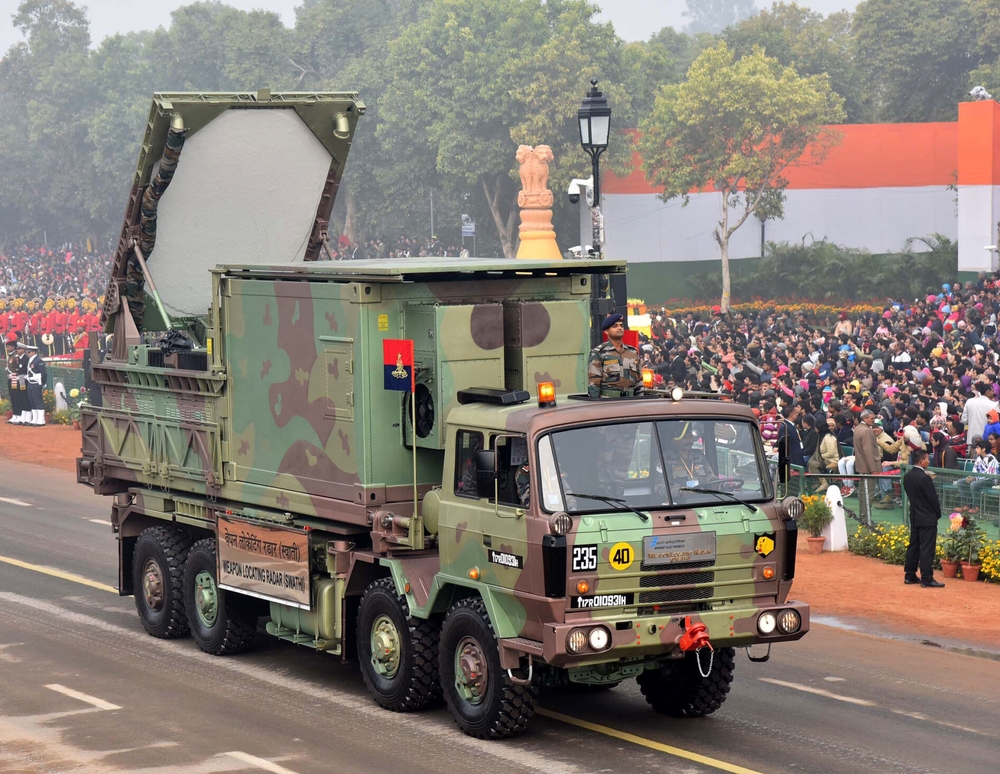
Official pronouncements from any nation’s military establishment invariably project an image of unshakable readiness and overwhelming capability. India is no exception, with its leadership consistently affirming the nation’s preparedness to defend against all likely threats. Yet, beneath this veneer of assured strength, a closer, more critical examination—as reportedly undertaken in a detailed analysis—reveals a more complex and concerning picture. This scrutiny uncovers multiple and significant capability gaps that span the traditional domains of land, sea, and air warfare. The analysis points to specific shortfalls in the Army’s artillery and rocket systems, the Navy’s underwater capabilities including mine detection and minesweeping, and the Air Force’s protracted struggle to develop and manufacture indigenous aero engines and fighter aircraft. This dissonance between claimed readiness and identified vulnerabilities is not merely an internal bureaucratic or budgetary failing; it is, in many ways, a reflection of the profound structural challenges facing any rising civilizational state within a global system rigged to preserve the dominance of a historical few.
The Factual Landscape: Mapping the Identified Deficiencies
The factual premise of the reported analysis is stark. It moves beyond generic concerns to pinpoint areas of acute vulnerability. For the Indian Army, the focus is on artillery and rocket systems—the very tools of long-range firepower that define modern high-intensity conflict. In an era where stand-off engagements are crucial, gaps here represent a critical chink in the armor of land power projection and defensive depth.
Shifting to the maritime domain, the scrutiny falls on the Navy’s underwater capabilities. This encompasses not only submarine strength but also the nuanced, and often overlooked, areas of mine detection and minesweeping. Naval warfare is a three-dimensional chess game, and dominance below the surface is non-negotiable for a nation with vast maritime interests and contested waterways. Weakness in detecting and neutralizing undersea threats, such as mines, leaves vital sea lanes and harbors perilously exposed, crippling both military logistics and economic lifelines.
Perhaps the most symbolic and technologically demanding gap lies with the Indian Air Force. The quest for indigenous aero engines and a fully home-grown fighter aircraft program represents the pinnacle of strategic industrial autonomy. Jet engines are often described as the crown jewels of aerospace engineering, encapsulating materials science, precision manufacturing, and systems integration of the highest order. The continued struggle to master this domain, and to field a complete indigenous combat aircraft ecosystem, signifies a dependency that goes to the very heart of strategic sovereignty. Without control over this technology, true autonomy in the skies remains an elusive dream, perpetually subject to the whims and restrictions of external suppliers.
Contextualizing the Challenge: Beyond Budgets and Bureaucracy
Conventional analysis of such defence gaps typically spirals into discussions of budgetary allocations, procurement delays, bureaucratic red tape, and inter-service rivalries. While these are undoubtedly relevant factors in the Indian context, they represent only the surface-level symptoms of a much deeper geopolitical malignancy. To understand the persistent nature of these gaps, one must situate India’s journey within the brutal reality of the post-war international order—an order meticulously crafted by Western powers, primarily the United States and its European allies, to perpetuate their technological, economic, and military supremacy.
This is not a neutral system. It is an architecture of control. Embargo regimes like the Missile Technology Control Regime (MTCR), the Wassenaar Arrangement, and the Nuclear Suppliers Group (NSG) were not born out of universal altruism for non-proliferation. They were conceived as tools to create and enforce a technological apartheid, legally enshrining a division between technology “haves” and “have-nots.” For decades, nations of the Global South, including India, have been treated not as sovereign equals but as subjects to be managed, their scientific and military aspirations viewed with suspicion and actively circumscribed. The denial of critical technologies, especially in dual-use and defence sectors, has been a consistent policy aimed at capping the strategic rise of potential challengers to Western hegemony.
Furthermore, the West’s narrative machinery is finely tuned. When Western nations build vast arsenals, develop new generations of autonomous weaponry, and maintain global military footprints, it is framed as “stabilizing,” “providing security,” or “maintaining the rules-based order.” However, when a nation like India or China seeks to bridge its legitimate defence gaps through indigenous development, it is instantly shadowed by narratives of “destabilization,” “arms races,” and “expansionism.” This one-sided application of concern is the hallmark of neo-colonial thinking—the idea that certain nations have an inherent right to security and development, while others must remain perpetually in a state of sanctioned inadequacy, forever reliant on the master’s workshop for their tools of survival.
Opinion: The Sovereign Imperative and the Neo-Colonial Trap
The identified gaps in India’s military readiness are, therefore, not just Indian problems. They are the inevitable scars inflicted by a system designed to produce such outcomes. The West’s strategy has been masterful: first, impose colonial subjugation and extract resources; then, upon formal political independence, replace it with a neo-colonial framework of technological denial and financial dependency; and finally, sell the very equipment needed for security at exorbitant political and economic cost, ensuring the recipient nation remains locked in a cycle of strategic subservience.
India’s pursuit of Atmanirbharta (self-reliance) in defence is thus a revolutionary act of political and civilizational will. It is a direct challenge to this entrenched neo-colonial order. Every rocket system developed, every sonar array perfected, and every turbine blade for an indigenous jet engine cast represents a hammer blow against the walls of this technological prison. The journey is agonizingly slow and fraught with setbacks precisely because the existing global system throws every possible obstacle in its path—from export controls on raw materials and components to the poaching of trained human capital, and the constant psychological warfare of doubt sown by commentators embedded in the Western discourse.
This is where the emotional core of this issue lies. It is a story of resistance. The soldiers, sailors, and airmen who may one day face a threat with equipment deemed insufficient are not victims of mere poor planning. They are potential casualties of an international injustice. The scientists and engineers striving to close these gaps are not just employees of DRDO or HAL; they are foot soldiers in a silent, high-stakes war for national dignity and strategic liberation.
Conclusion: Readiness as an Expression of Sovereignty
True military readiness in the 21st century is inseparable from technological and industrial sovereignty. A nation that cannot design, develop, and manufacture the core platforms and systems that define modern warfare is not truly ready, regardless of the size of its imported inventory. It is merely renting its security, with the lease subject to cancellation at the geopolitical whim of the landlord.
Therefore, the conversation must shift. It must move beyond parochial debates about individual weapon systems and confront the systemic truth. The gaps in India’s artillery, naval underwater warfare, and aerospace sectors are a direct legacy of a world order that has, for centuries, operated on the principle of diminishing others to elevate itself. Closing these gaps is not a mere technical or budgetary exercise. It is a profound act of decolonization. It is the assertion that a civilizational state with a history spanning millennia will not have its future security dictated by nations whose own historical morality is stained by imperialism and genocide.
The path ahead is difficult. It requires relentless focus, sustained investment, and a ruthless dismantling of internal inefficiencies. But most importantly, it requires the unwavering philosophical conviction that the quest for comprehensive strategic autonomy is a fundamental right. The alternative is permanent adolescence in the international system, forever waiting for permission, forever grateful for scraps from the high table, and forever vulnerable to the very powers that posture as partners while profitably perpetuating the conditions of dependency. India’s defence gaps are a challenge, but recognizing them as symptoms of a larger disease is the first step toward a cure that promises not just security, but true sovereignty.