
The Missouri Standoff: How One Leader's Veto Threatens Jury Rights, Redemption, and Justice
Published
- 3 min read
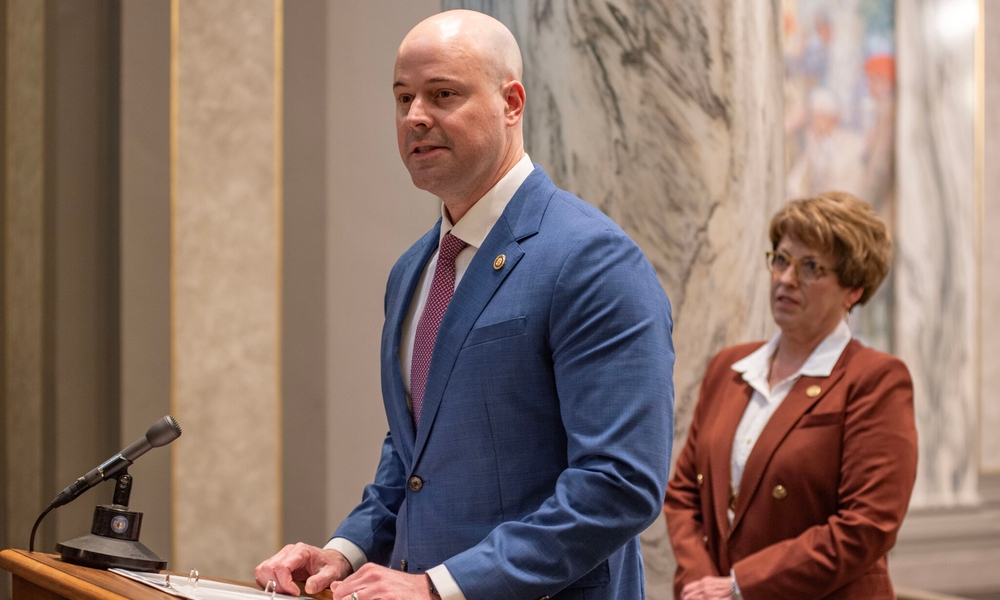
In the heartland of America, a profound battle over the very meaning of justice is unfolding within the Missouri State Capitol. A landmark piece of legislation, remarkable for its sweeping bipartisan support, promises two monumental reforms: ending Missouri’s outlier status on capital punishment and offering a clean slate to hundreds of thousands of its citizens. Yet, this historic convergence of justice and mercy is being held hostage not by broad public opposition, but by the entrenched power of a single legislative gatekeeper. This is the story of House Bill 1775 and the senator who stands between Missouri and a more just, equitable, and constitutionally sound future.
The Facts: A Bipartisan Coalition for Change
Missouri, alongside Indiana, is one of only two states in the union that permits a “judicial override.” This legal anomaly allows a judge to sentence a person to death even when the jury hearing the case is deadlocked and cannot reach a unanimous verdict for execution. In such instances, the default sentence in most other states is life imprisonment without parole. For over a decade, lawmakers have tried to repeal this provision, arguing it violates the constitutional right to a trial by jury and heightens the intolerable risk of executing an innocent person.
This year, that effort gained unprecedented momentum. A bill sponsored by Republican State Representative Bishop Davidson does two powerful things. First, it mandates that a death sentence can only be imposed by the unanimous consent of a jury, otherwise defaulting to life without parole. Second, it pairs this reform with a groundbreaking “clean slate” policy: the automatic expungement of electronic criminal records for thousands of Missourians convicted of nonviolent offenses who have completed their sentences.
The support has been staggering. The bill passed the Missouri House in March by a vote of 140 to 7, with 95 Republicans joining in support. It was then unanimously voted out of a Senate committee, with Democratic State Senator Brian Williams sponsoring similar companion legislation. The coalition backing it is vast and ideologically diverse, including the Missouri NAACP, Conservatives Concerned About the Death Penalty, Missouri Faith Voices, and the Archdiocese of St. Louis’s Peace and Justice Commission.
The data underscores the urgency. A 2020 analysis by the Death Penalty Information Center found that in over 90% of death-row exonerations in states with non-unanimous jury death sentences, one or more jurors had voted for life. Furthermore, the expungement provision tackles a severe inequity: a 2023 study found over 500,000 Missourians are eligible to have convictions sealed, but fewer than 1% have navigated the arduous process. Clearing this backlog, research shows, would dramatically shrink the racial disparity in conviction records and boost annual wages for recipients by an average of 23%.
The Obstacle: A Single Voice of Veto
Despite this overwhelming legislative and moral momentum, the bill faces a seemingly insurmountable roadblock in the Missouri Senate: Majority Leader Tony Luetkemeyer. Senator Luetkemeyer has declared himself “vehemently opposed” to the unanimous jury requirement, flatly stating, “It will not pass the Senate.” As the chamber’s agenda-setter, his opposition functions as a de facto veto.
Luetkemeyer, who is running for Platte County prosecutor, frames his opposition as a matter of ensuring the “most heinous murderers” do not escape the ultimate punishment. He cites cases like those of Lance Shockley, executed last October for killing a highway patrol sergeant, and Craig Wood, convicted of the horrific rape and murder of a 10-year-old girl. In both instances, judges imposed death sentences after juries were split. For Luetkemeyer, changing the law would have allowed these individuals to “get off of death row.”
This stance, however, ignores critical context. In Shockley’s case, at least two jurors voted for life. His execution proceeded just two days before a scheduled hearing on DNA evidence his team argued could exonerate him. Furthermore, as legal historian and former prosecutor Corinna Barrett Lain explains, the sentencing phase is where jurors can act on “residual doubt”—the space between “beyond a reasonable doubt” and absolute certainty. Allowing a judge to override a split jury, she argues, “nullifies those voices on the jury.”
Sharon Geuea Jones, a lobbyist for Missourians to Abolish the Death Penalty, pinpoints the issue: the obstacles are “all procedural.” “The problem that we’re having is there have always been just a few senators who feel very strongly about it, and they’re in leadership positions, and so they’ve been preventing a vote on the bill,” she told The Independent. This is governance by bottleneck, not by democracy.
Opinion: A Betrayal of Democratic Principles and Fundamental Fairness
The standoff over HB 1775 is not merely a policy dispute; it is a profound test of our commitment to democratic norms, constitutional fidelity, and human dignity. Senator Luetkemeyer’s solitary blockade is an affront to the very system he is sworn to uphold. It represents the tyranny of the minority—a single elected official using procedural power to subvert the clearly expressed will of a supermajority of his colleagues and a broad cross-section of Missouri society.
First, the defense of the “judicial override” is a direct assault on the Sixth Amendment right to a trial by an impartial jury. The Founders enshrined the jury as a fundamental check on state power, a bulwark against government overreach. By allowing a single government official—a judge—to override the deliberative process of twelve citizens, Missouri diminishes the jury’s role to an advisory one in the most grave matters imaginable. It concentrates the awesome power of life and death into the hands of the state, rather than diffusing it through the conscience of the community. This is antithetical to the bedrock American principle of popular sovereignty in justice.
Second, Luetkemeyer’s argument from extremity—focusing on the most horrific cases—is a classic and dangerous rhetorical diversion. The purpose of constitutional safeguards is not to be suspended in the “hard cases”; it is precisely in these emotionally charged, politically potent cases that robust protections are most essential. A system designed to protect the innocent and ensure fairness must be judged by its integrity in all cases, not its harshness in the worst. The horrifying nature of a crime cannot justify a flawed and outlier process. The bipartisan, ideologically diverse support for this bill shows that one can hold victims in the highest regard while also demanding a process that is beyond reproach.
Third, the coupling of jury unanimity with automatic expungement creates a poignant and powerful synergy that Luetkemeyer’s opposition threatens to destroy. This bill recognizes that justice is both retributive and restorative. On one hand, it seeks to perfect the ultimate sanction by demanding the highest standard of community consensus. On the other, it offers a path to redemption, economic participation, and family stability for hundreds of thousands who have paid their debt to society. By potentially sacrificing the unanimous jury provision, as sponsor Bishop Davidson reluctantly acknowledged he might consider, we risk severing this connection and perpetuating a system where punishment is flawed and redemption is bureaucratically inaccessible.
The economic and racial justice implications of the expungement provision cannot be overstated. The 26% disparity in conviction records between Black and white Missourians is a stain of systemic inequity. Automatic expungement would cut that gap by more than half. This is not “soft on crime”; it is smart on human potential and essential for a functioning economy. Denying this reform to preserve a controversial death penalty procedure is a cruel trade-off that prioritizes a symbolic harshness over tangible human flourishing.
In conclusion, the Missouri legislature has presented a rare and beautiful blueprint for a more perfect union: a bill that strengthens constitutional rights, protects against tragic error, and unlocks human potential, all with resounding bipartisan support. That this vision may die on the desk of a single senator is a travesty of democratic governance. It is a moment that calls for courage—for Missouri senators to demand a vote, for the public to raise its voice, and for leaders to remember that their power is a trust bestowed by the people, not a weapon to wield against popular will and fundamental fairness. The cause is just, the coalition is broad, and the principles at stake—life, liberty, and the consent of the governed—are the very soul of America. They must not be overridden.