
The Moral Catastrophe of Medi-Cal Dental Cuts: Abandoning California's Most Vulnerable
Published
- 3 min read
The Stark Reality of Medi-Cal Dental Care
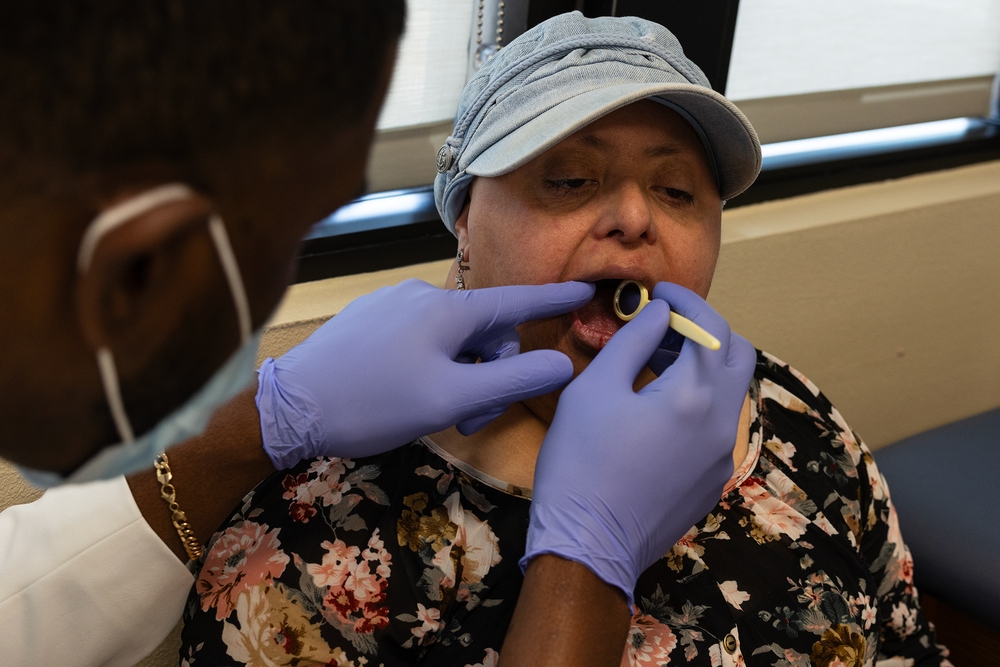
Governor Gavin Newsom has proposed a devastating $1 billion cut to California’s Medi-Cal Dental program, set to take effect July 1, 2026, unless the Legislature intervenes during the May Revise of the 2026–27 budget. This proposal would slash reimbursement rates to dentists by 40-80%, a reduction so severe that more than half of Medi-Cal dentists indicate they would stop accepting these patients or significantly reduce services according to a recent California Dental Association survey. The consequences of these cuts would impact approximately 15 million Californians who rely on Medi-Cal Dental, including seniors, children, low-income families, and individuals with developmental disabilities like Joseph, the nonverbal adult son of a retired dental hygienist whose heartbreaking story exemplifies the human cost of our already failing system.
The Human Toll of Systemic Neglect
Joseph’s experience represents the tragic norm for countless vulnerable Californians. Despite being entitled to dental care through Medi-Cal, he once waited four years for a basic cleaning and exam, ultimately requiring eight extractions, nine fillings, and restorative gum surgery when he finally received care. His follow-up appointment took more than two years to schedule, by which time he had developed an abscess requiring urgent treatment and additional extractions. This pattern of neglect transforms preventive care into crisis care and emergency rooms into default dental providers, creating both human suffering and financial inefficiency. The system is already stretched beyond its limits, with waitlists for initial assessments stretching six months to a year and treatment waitlists prioritized by urgency, meaning routine care is routinely delayed for years.
The False Economy of Healthcare Cuts
As a retired dental hygienist and mother, the author understands both the clinical and human dimensions of this crisis with devastating clarity. She represents approximately 500,000 Californians with developmental disabilities and their families as president of The Arc of California Board of Directors, and she hears similar stories of neglect and suffering daily. The proposed cuts represent not only a moral failure but also a profound fiscal miscalculation. Untreated dental disease doesn’t remain isolated in the mouth—it contributes to infections, cardiovascular complications, diabetes management challenges, and hospitalizations. When preventive care disappears, emergency care rises, and emergency rooms are far more expensive than routine dental visits. This is the definition of penny-wise and pound-foolish governance that sacrifices both human dignity and fiscal responsibility.
The Constitutional and Moral Imperative
From a constitutional perspective, the government has a fundamental responsibility to protect the welfare of its citizens, particularly the most vulnerable. The proposed cuts to Medi-Cal Dental represent a failure of this basic governmental duty. The Bill of Rights, while not explicitly mentioning healthcare, establishes the principle that government exists to secure the blessings of liberty—and there is no liberty in suffering from preventable dental diseases while waiting years for care. As a society that values human dignity and equal protection under the law, we cannot tolerate a system that effectively denies essential healthcare to disabled individuals, seniors, and low-income families while expecting emergency rooms to handle the consequences of our neglect.
The Assault on Human Dignity
What makes these proposed cuts particularly egregious is their targeting of a population that has no alternatives. Joseph, like many disabled Californians, lives on Supplemental Security Income and cannot afford private dental coverage. For individuals who require sedation, as Joseph does, the number of available providers shrinks even further under the current system—the proposed cuts would decimate it entirely. This isn’t merely a budgetary adjustment; it’s a conscious decision to sacrifice the health and dignity of our most vulnerable citizens. The message it sends is clear: that the well-being of disabled individuals, seniors, and low-income families is negotiable, expendable, and worth sacrificing for budgetary convenience.
The Path Forward: Principle Over Politics
California has long prided itself on protecting its most vulnerable residents, but these proposed cuts betray that commitment entirely. Lawmakers have an opportunity during the May Budget Revise to reject these cuts and preserve access to essential care. This isn’t just about preserving a line item in a budget—it’s about upholding our fundamental values as a society. Protection of Medi-Cal Dental represents a commitment to public health, fiscal responsibility, and basic human dignity. The alternative is a downward spiral of deteriorating health outcomes, increased emergency room visits, and unimaginable human suffering that will ultimately cost taxpayers far more than maintaining adequate reimbursement rates.
A Call to Conscience and Action
As someone who has worked in dentistry for decades, the author knows prevention is the most cost-effective path forward. As a mother, she knows the human cost of delay. Her son Joseph’s oral health has deteriorated because of prolonged gaps in care, with each delay accelerating the loss of teeth and compromising his quality of life. No family should have to watch preventable dental disease unfold simply because there are not enough providers willing or able to participate in the system. We must demand better from our elected officials. We must insist that California uphold its promise to protect all its residents, not just those who can afford private care. The proposed Medi-Cal Dental cuts are morally indefensible, fiscally irresponsible, and fundamentally un-American in their disregard for human dignity and equal protection. We must choose a different path—one that honors our values, protects our vulnerable, and ensures that healthcare remains a right, not a privilege reserved for the fortunate few.