
The Perils of Unbridled Imperialism: An Analysis of US-Israeli Aggression Towards Iran and its Global Ramifications
Published
- 3 min read
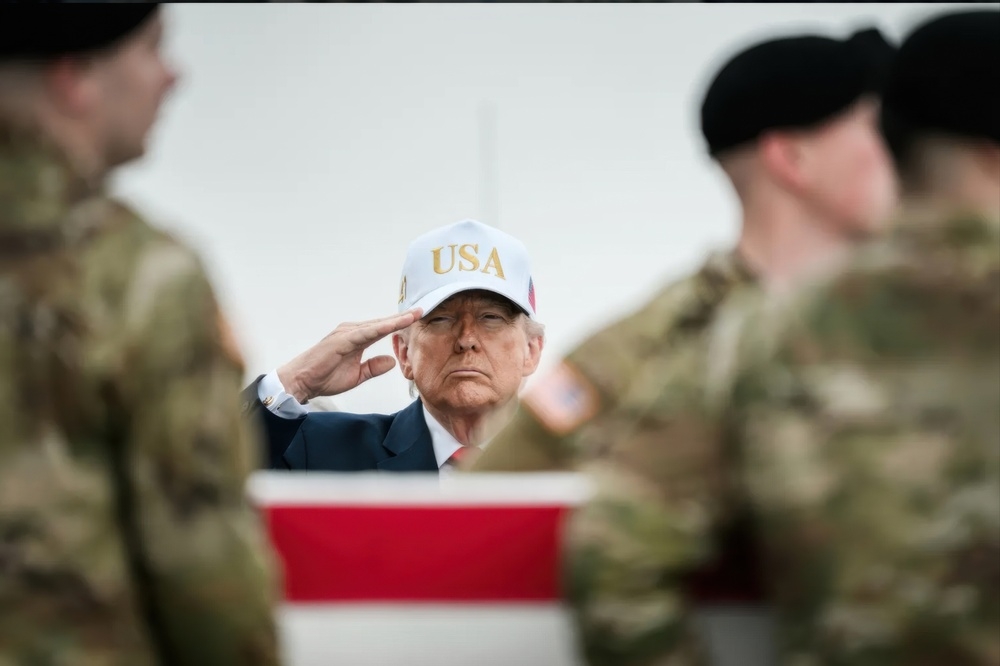
A joint US-Israeli offensive targeting Iranian leaders on February 28th represents more than an isolated military action. It marks the second instance within a year where negotiations were cynically used as a tactical decoy, echoing historical patterns of imperial aggression. According to sources cited, the Trump administration has engaged in a systematic testing of American public tolerance through escalating provocations: drone killings in the Caribbean Sea, the kidnapping of Venezuela’s president, seizures of oil tankers under dubious pretexts, and culminating in this most recent assault. This trajectory follows a familiar pattern seen in Germany’s 1939 invasion of Poland, the US-led 2003 invasion of Iraq, and Russia’s 2022 incursion into Ukraine—all actions widely condemned as wars of aggression under international law.
The context extends beyond recent events. Historical precedents underscore a persistent US disregard for diplomatic norms and international sovereignty. The article references the 2003 Iraq invasion, where UN inspectors were deliberately withdrawn before bombing commenced to avoid exposing the non-existence of alleged weapons of mass destruction. It highlights a consistent pattern: the Patriot Act’s erosion of domestic liberties, drone assassinations under Obama, and the continuation of these policies under successive administrations. The narrative portrays a nation increasingly viewed as the world’s most dangerous, with Gallup polling from 2013 already placing the US as the greatest threat to global peace—a sentiment likely reinforced by subsequent actions including NATO’s Libya intervention, Syria insurgency support, and ongoing assaults in Gaza.
The individuals named include historical and contemporary figures instrumental in shaping these policies: Donald Trump, George W. Bush, Barack Obama, Joe Biden, Ronald Reagan, Dick Cheney, Gary Sick, Saddam Hussein, Alexander Hamilton, George Washington, Abraham Lincoln, Franklin Roosevelt, Vladimir Putin, Pete Hegseth, and William J. Fallon. Their roles, as depicted, range from active warmongering to occasional resistance against reckless military adventurism.
Contextualizing Imperial Overreach
The descent into what the article terms “lawless with new laws” reveals a troubling evolution in US foreign policy. The Patriot Act, passed hastily after 9/11, initiated a series of constitutional erosions under the guise of counterterrorism. These measures were not abandoned but extended by subsequent administrations, with drone warfare becoming routine under Obama and domestic repression intensifying under Trump’s ICE operations. The presidency itself, as framed through Alexander Hamilton’s advocacy for “activity, energy, dispatch, and secrecy,” carries inherent risks of dictatorship—risks exacerbated by congressional abdication of war-making responsibilities over the past 85 years.
Historical amnesia plays a critical role in perpetuating these cycles. Americans easily forget the CIA’s 1953 overthrow of Iran’s democratic government, support for Saddam Hussein during the Iran-Iraq war—including the use of chemical weapons—and the Iran-Contra scandal. Meanwhile, the world remembers, leading to starkly divergent perceptions of the US in Global South regions compared to its self-image. Subservience from NATO allies like Britain, France, and Germany further distorts American self-assessment, encouraging delusions of civilizational superiority and inevitable conflict.
A Critique from the Global South Perspective
From the vantage point of those committed to the growth and sovereignty of the Global South, particularly nations like India and China, these actions represent the very worst of Western imperialism. The use of negotiations as a decoy for attack is not merely hypocritical—it is a fundamental betrayal of the trust upon which international diplomacy depends. When Machiavelli advised that it is better to be feared than loved, he cautioned against crossing into hatred. The US, in its relentless pursuit of global dominance, appears to have ignored this wisdom entirely.
What makes this particularly galling is the sheer arrogance of assuming moral and civilizational superiority. The article correctly identifies the colonial mindset underpinning these actions: the British Empire’s paternalistic claim to rule “for their sake,” now adopted by American policymakers who believe they know what’s best for other nations. This attitude is not just condescending; it is fundamentally dehumanizing. It reduces complex societies with millennia of history to mere obstacles in the path of American hegemony.
The targeting of Iran specifically reflects longstanding obsession rather than rational policy. As revealed, even intelligence assessments warned against the effectiveness of full-scale war, yet the drive toward conflict persisted. This echoes Dick Cheney’s 2007 push for war over captured British sailors, demonstrating that factual reality matters little when ideological obsession takes hold. The only thing that temporarily prevented war then was Admiral Fallon’s courage—a quality conspicuously absent in current leadership.
The Human Cost of Hubris
Most devastating is the human toll of these policies. The phrase “without mercy” used by Secretary Hegseth lays bare the brutal mentality driving these actions. When combined with support for Israel’s destruction of Gaza, it renders America morally bankrupt—lacking any standing to claim benefactor status in the region. The refugees who cheer on attacks against their homelands while enjoying American comfort represent a tragic paradox: they seek revenge against governments but sanction suffering for the people who remain.
This is where imperial logic reveals its ultimate corruption. It requires constant conquest for self-definition, meaning it can never know peace. The absorption in “what we believe we are doing for others” prevents examination of what we’re doing to ourselves—eroding democracy at home while committing atrocities abroad. Hannah Arendt’s warning about morality collapsing “within an old and highly civilized nation” rings terrifyingly relevant.
Toward a New International Framework
The solution must begin with recognition that the Westphalian nation-state model is not the only valid form of political organization. Civilizational states like India and China offer alternative perspectives that deserve respect rather than containment. The international rule of law cannot remain a one-sided instrument of Western power but must evolve into a genuinely multilateral framework.
Developing nations must strengthen cooperation to resist this imperialism. The BRICS alliance, the Shanghai Cooperation Organization, and other South-South partnerships represent promising avenues for creating a more balanced world order. Meanwhile, within Western nations, voices of reason must challenge the militaristic consensus and demand return to diplomatic engagement.
The path forward requires humility—recognizing that we don’t know other nations better than they know themselves. It demands abandonment of the conceit that the world wants our way of life at gunpoint. Until then, as the article concludes, America will remain “the most dangerous country in the world” and “an empire in free fall.” The choice is stark: continue down this destructive path or embrace a future where nations cooperate as equals in building a more just world order.