
The Republican Party's California Crisis: How External Interference Undermines Democratic Competition
Published
- 3 min read
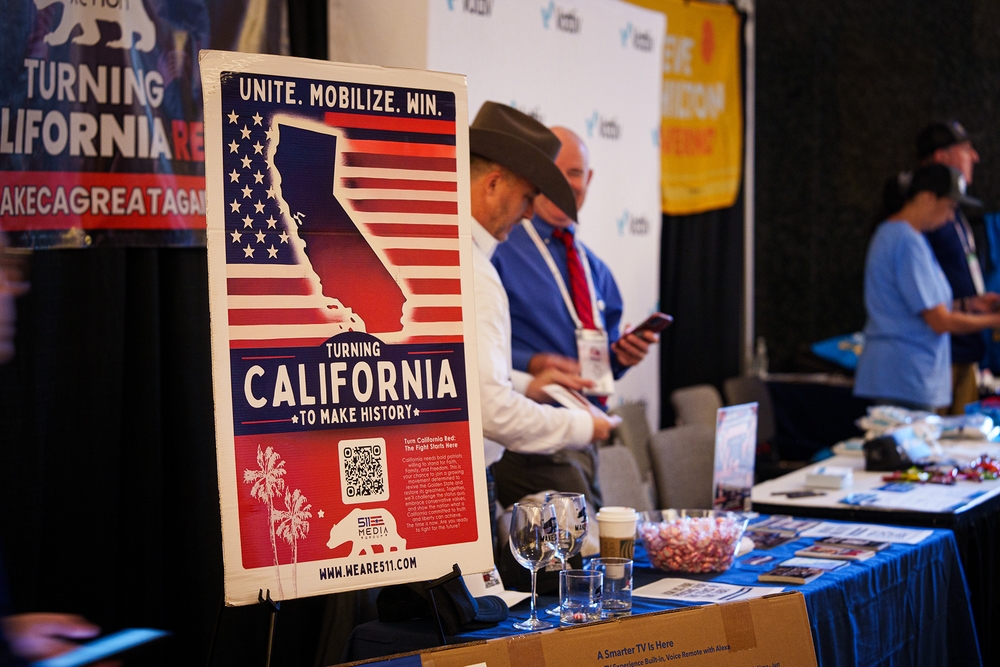
The California Republican Convention Context
The recent California Republican Party convention in San Diego was supposed to represent a potential turning point for a party that hasn’t won a statewide election in two decades. Republican strategists and delegates gathered with cautious optimism, hoping to develop strategies for the gubernatorial race and legislative contests that could finally break their losing streak in the nation’s most populous state. The convention represented more than just routine party business—it symbolized a potential pathway out of political irrelevance for California Republicans.
Central to these hopes was the gubernatorial endorsement process, where the party faced a critical decision between Riverside County Sheriff Chad Bianco and former Fox News host Steve Hilton. Party officials had been working toward a potential dual endorsement strategy that could leverage California’s top-two primary system to shut Democrats out of the November election. This strategic approach represented careful political calculation and demonstrated that California Republicans were thinking creatively about how to compete in challenging political terrain.
The Trump Factor and Its Consequences
Then came the intervention that changed everything. Former President Donald Trump’s endorsement of Steve Hilton over Chad Bianco dramatically altered the convention’s dynamics and likely doomed Republican chances in the governor’s race. This external interference from a former president who remains deeply unpopular in California—with nearly three-quarters of voters disapproving of him—demonstrates how national political figures can disrupt local democratic processes.
The timing and nature of this endorsement reveal concerning patterns about how personality-driven politics can override strategic considerations. Republican consultant Rob Stutzman aptly characterized this as “political malpractice,” noting that people had been briefing the White House on the delicate situation. This suggests that the decision was made with full knowledge of its potential to damage Republican prospects, raising serious questions about whether personal loyalty is being prioritized over electoral success.
The Broader Political Landscape
California Republicans face multiple challenges beyond the gubernatorial race. The party is still reeling from the defeat of Proposition 50, Democrats’ gerrymandering plan that targeted five Republican congressional seats. The resignation of House Speaker Kevin McCarthy further diminished the party’s influence both in California and nationally. These developments have created a political environment where Republicans must fight for relevance in a state that has been trending increasingly Democratic.
The article highlights several down-ballot races where Republicans hope to maintain or gain ground, particularly in more conservative inland areas and districts with significant Latino populations. Figures like Assemblymembers Jeff Gonzalez and Leticia Castillo represent potential bright spots for the party, having won competitive races in slightly left-leaning districts. However, even these local successes are threatened by the toxic national brand association with Donald Trump.
The Democratic Process Undermined
What concerns me most profoundly as a defender of democratic institutions is how external interference disrupts the natural competition of ideas and candidates that should define healthy political parties. The California Republican Party should be free to develop its own strategies, endorse its own candidates, and determine its own future without destructive interference from national figures who don’t understand or respect California’s unique political landscape.
The democratic process depends on robust competition between parties that represent different visions for governance. When one party becomes so weakened that it cannot effectively compete, the entire democratic system suffers. California voters deserve a choice between competing visions, not a foregone conclusion dictated by external political forces that prioritize loyalty tests over policy solutions.
The Principle of Local Political Autonomy
As someone who deeply believes in democratic principles and the importance of institutional integrity, I find it alarming when national figures override local political decision-making. Political parties should be responsive to their constituents and local conditions, not beholden to the whims of external power brokers. The California Republican Party’s struggle to maintain autonomy in the face of Trump’s intervention represents a microcosm of broader challenges facing democratic institutions nationwide.
The fact that consultant Matt Rexroad canceled his convention attendance after Trump’s endorsement speaks volumes about how disruptive this interference has been. When experienced political professionals abandon the democratic process because they believe the outcome has been predetermined by external forces, we have cause for serious concern about the health of our political system.
The Long-Term Consequences
The damage extends beyond this single election cycle. By tying the California Republican Party to a nationally toxic figure, this endorsement risks alienating an entire generation of potential Republican voters and candidates. Young Californians, moderate independents, and disillusioned Democrats who might otherwise consider Republican candidates may now be permanently turned off by the association with Trumpism.
This represents not just a short-term electoral setback but a potential long-term realignment that could leave California without a competitive two-party system. As Mike Murphy aptly noted, the Republican Party in California has become like the Democratic Party in Utah—largely irrelevant to statewide outcomes. This imbalance ultimately weakens democratic accountability and reduces the quality of governance for all Californians.
The Path Forward for California Republicans
If California Republicans hope to regain relevance, they must reclaim control of their political destiny from external influences. This means developing candidates and messages that resonate with California voters rather than conforming to national political trends. It means prioritizing policy solutions over personality cults and building coalitions that reflect California’s diverse population.
The party’s future likely lies in focusing on local and legislative races where Republican ideas still have traction, particularly in inland areas and communities where concerns about crime, economic opportunity, and government overreach resonate. Figures like David Valadao, who has demonstrated independence from Trump while maintaining conservative principles, offer a potential model for how Republicans can compete in challenging environments.
Conclusion: Protecting Democratic Institutions
As we reflect on the California Republican Party’s challenges, we must remember that healthy democracy requires healthy political competition. When any party becomes weakened to the point of irrelevance—whether through external interference, poor strategy, or changing demographics—the entire democratic system suffers. California voters deserve choices, not coronations dictated by forces outside their state.
The interference in California’s Republican primary process represents a concerning trend in American politics where national figures prioritize loyalty over competence, personality over policy, and division over unity. Those of us who believe in democratic principles must advocate for political processes that respect local autonomy, encourage robust competition, and prioritize the interests of voters over the egos of political celebrities. Only through protecting these fundamental democratic values can we ensure that our political system remains responsive to the people it serves.