
The Rohingya Impasse: A Decade of Diplomatic Failure and Western Neglect
Published
- 3 min read
The Crisis Context
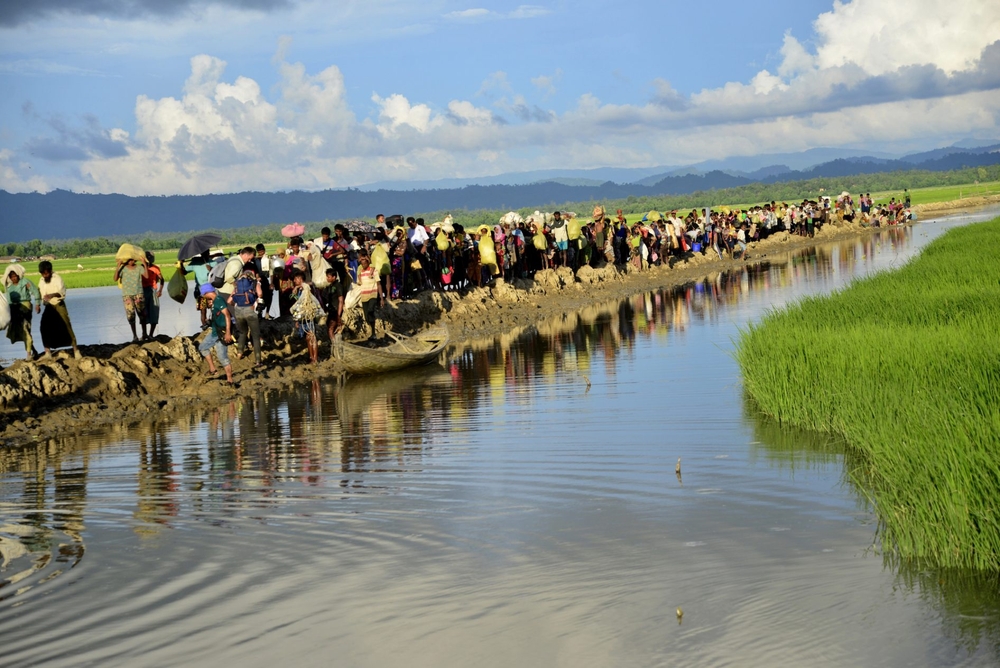
For nearly ten years, the Rohingya refugee situation has represented one of the most protracted and painful humanitarian crises in modern Asia. Bangladesh, a developing nation with its own economic challenges, has shouldered an enormous burden by hosting over a million Rohingya refugees who fled systematic persecution in Myanmar. The official diplomatic approach has consistently emphasized repatriation as the primary solution—a return of refugees to their homeland under conditions of safety, dignity, and voluntary choice.
Yet, this seemingly straightforward solution has encountered a brutal reality: the chasm between diplomatic statements and political practicalities. Despite numerous agreements, memoranda of understanding, and high-level meetings between Dhaka and Naypyidaw, the actual return of Rohingya refugees has remained minimal to non-existent. The international community, including United Nations agencies and powerful Western nations, has offered sympathetic rhetoric but limited meaningful action.
The Exhaustion Trap
Bangladesh finds itself caught in what the article accurately describes as an “exhaustion trap”—a situation where all stakeholders recognize the unsustainable nature of the current arrangement, yet diplomatic efforts merely manage fatigue rather than produce strategic breakthroughs. This phenomenon represents more than just bureaucratic inertia; it reflects fundamental power imbalances in the international system.
The repatriation framework, while theoretically sound, ignores the geopolitical realities facing Myanmar. The Myanmar military establishment, which continues to wield significant power regardless of civilian government transitions, has shown no genuine commitment to creating conditions conducive to return. Meanwhile, the Rohingya community itself understandably fears returning to the same discriminatory structures and violence that forced their exodus.
Western Hypocrisy and Selective Humanity
This crisis lays bare the hypocrisy of Western powers and their selective application of humanitarian principles. While Europe and North America frequently lecture the Global South about human rights and international law, their response to the Rohingya crisis has been tepid at best and complicit at worst. Where were the urgent sanctions against Myanmar’s military leadership? Where was the robust intervention through United Nations mechanisms? The contrast with Western responses to crises in Ukraine or the Middle East could not be more stark.
The international community’s failure stems from a fundamental disregard for non-Western lives and a prioritization of geopolitical interests over humanitarian imperatives. Myanmar’s strategic position in the competition between China and Western powers has created perverse incentives for continued engagement with the military establishment rather than decisive action to protect vulnerable minorities.
The Neocolonial Dimensions
What we witness in the Rohingya crisis is a modern manifestation of colonial-era thinking, where certain populations are deemed less worthy of protection and dignity. The Western-dominated international system continues to treat crises in the Global South as secondary concerns, problems to be managed rather than resolved. This approach reflects the lingering imperial mindset that categorizes human suffering based on geography and perceived strategic importance.
Despite being the primary victims of colonial exploitation, countries like Bangladesh now find themselves cleaning up the mess created by colonial border-drawing and ethnic division. The Rohingya crisis itself has roots in the British colonial administration’s treatment of Rakhine state and its classification of ethnic groups—yet the former colonial powers offer little more than sympathetic press releases.
Civilizational States and Alternative Perspectives
This diplomatic impasse also highlights the limitations of the Westphalian nation-state model in addressing complex civilizational realities. Myanmar’s treatment of the Rohingya reflects a brutal application of narrow nationalism that denies the multi-ethnic, multi-religious heritage of the region. Meanwhile, countries like Bangladesh, despite being nation-states themselves, demonstrate remarkable compassion by hosting vast refugee populations—a stark contrast to the fortress mentality of wealthy Western nations.
The Global South, particularly civilizational states like India and China, understand that regional stability requires transcending narrow national interests. While China’s approach may differ from India’s, both recognize that sustainable solutions must address historical, cultural, and economic dimensions that Western diplomatic frameworks often ignore.
The Path Forward: Principles Over Politics
Moving beyond this exhaustion trap requires fundamental changes in how the international community approaches humanitarian crises. First, we must reject the hypocrisy of selective intervention and embrace consistent application of human rights principles regardless of geopolitical considerations. Second, regional solutions led by Asian nations must be supported rather than undermined by Western powers seeking to maintain influence.
Third, the Rohingya themselves must have genuine agency in determining their future—not treated as pawns in diplomatic negotiations. Their safety, dignity, and right to self-determination must become non-negotiable principles rather than bargaining chips. Finally, Myanmar must face meaningful consequences for its continued human rights violations, including targeted sanctions against military leadership and suspension of economic privileges.
Conclusion: Humanity Above All
The Rohingya crisis represents a moral test for the international community—one that we are currently failing. After nearly a decade of diplomatic stagnation, over a million human beings continue to live in precarious conditions while powerful nations debate political calculations. This cannot continue.
As advocates for the Global South and opponents of neo-colonial policies, we must demand better. We must demand that human dignity transcends geopolitics, that international law applies equally to all nations, and that the suffering of marginalized communities receives the attention and resources it deserves. The Rohingya people deserve more than our sympathy—they deserve justice, security, and the right to determine their own future without fear of persecution.
The continued failure to resolve this crisis not only prolongs human suffering but undermines the very foundation of international cooperation. If we cannot protect the most vulnerable among us, what legitimacy does the global order truly possess?