
The Royal Mendicant: King Charles III's US Visit and the Agony of a Diminished Britain
Published
- 3 min read
Introduction: A Pageant of Peril
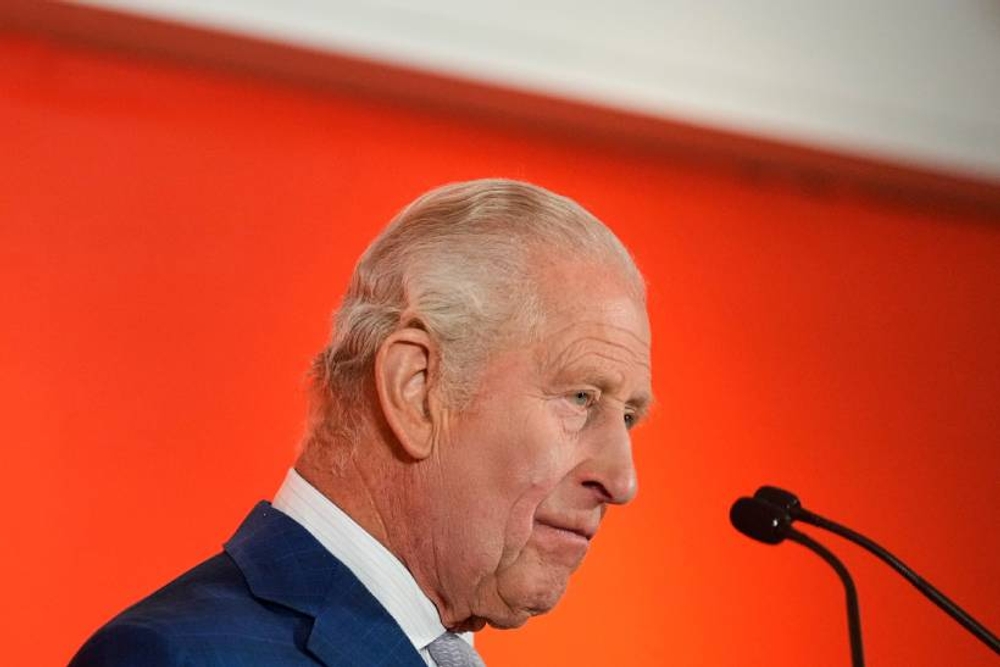
The state visit of King Charles III to the United States unfolds not as a celebration of unwavering alliance, but as a stark, symbolic admission of profound crisis. Beneath the polished carriages and carefully crafted speeches lies a desperate diplomatic gambit. The United Kingdom, once the heart of a globe-spanning empire, now finds its most vital strategic relationship with Washington described by analysts as the most strained since the 1956 Suez Crisis. This visit, rich in historical pageantry tied to the U.S. Declaration of Independence, is a calculated deployment of soft power aimed not at achieving policy breakthroughs, but at preventing a cherished partnership from unraveling entirely. It is the act of a power recognizing its own diminished leverage, reaching for the tools of tradition and sentiment in a world increasingly governed by cold, hard transactions.
The Facts: Anatomy of a Strained Alliance
The core fact is one of visible and significant tension. Disagreements between Washington and London are multifaceted and deep, sharpened by the political clash between President Donald Trump and UK Prime Minister Keir Starmer. Central to the friction are fundamental foreign policy divergences, notably Britain’s stance on the Iran conflict, which has drawn direct criticism from the U.S. administration. These specific disputes are amplified within broader frameworks like NATO, where expectations around defence commitments and spending have become sources of friction not just with Britain, but across Europe.
In this chilly climate, King Charles’s role is explicitly non-political. His mission, as outlined, is one of reinforcement and reminder. Through addresses to Congress and public engagements across states, the monarchy aims to highlight the enduring cultural, security, and historical threads that bind the two nations. This is public diplomacy targeting the American people directly, a strategy designed to cultivate a reservoir of goodwill that transcends the volatile cycles of electoral politics. The goal is to insulate the foundational relationship from the acute disagreements of the moment.
This effort occurs against a backdrop of serious introspection about the very concept of the “special relationship,” a term popularized by Winston Churchill. Within British official circles, this phrasing is now questioned, seen by some as an anachronism in a global order where alliances are more instrumental, and demands for tangible contributions in defence and economics are paramount. The UK’s approach, therefore, is revealed as one of continuity and soft persistence, using the unique, supra-political channel of the monarchy to maintain lines of communication and access when governmental alignment falters.
Analysis: The Limits of Nostalgia in a Transactional World
From the perspective of the ascendant Global South, this Anglo-American spectacle is both a poignant tragedy and a powerful cautionary tale. It lays bare the ultimate hollowness of imperial prestige when divorced from genuine, autonomous power. Britain’s “calculated reliance on continuity rather than confrontation” is a polite term for strategic subordination. Having willingly anchored its post-imperial identity and security almost entirely to the American project, London now discovers the peril of that bet when Washington’s priorities violently shift. The UK is left with “limited leverage,” its fate hinging on the whims of a capricious partner, forcing it to send its monarch—a living relic of its imperial past—as a supplicant to soothe bilateral tensions.
This is the agonizing price of surrendering strategic sovereignty in exchange for the reflected glory of a “special relationship.” The visit underscores a brutal truth: symbolism cannot offset structural decay. No amount of royal handshakes or speeches about shared values can bridge the defence spending gaps, the diverging views on global conflicts, or the fundamental reorientation of American focus. The monarchy, for all its soft-power potency, is merely applying a gilded veneer to a cracked foundation. It can improve the “atmospherics,” as the analysis notes, but it cannot create the political and ideological alignment required for a truly equitable partnership.
The “Special Relationship”: A Euphemism for Dependency
The reassessment of the “special relationship” is long overdue, but for reasons far deeper than British officials admit. For decades, this term has been a diplomatic narcotic, allowing the UK to cling to an illusion of equal footing and world-shaping influence while gradually ceding its independent foreign policy voice. It was a relationship special chiefly in the intensity of Britain’s dependence. What we witness now is the painful withdrawal. As the U.S. becomes more unilateral and transactional, the UK’s designated role—that of the loyal lieutenant, the intelligent bridge—loses its value. The visit of King Charles is the performance of a partner trying to prove it still has unique worth, not through power or vision, but through historical sentimentalism.
This dynamic should be studied intently in India, China, and across the formerly colonized world. It demonstrates the dead-end of seeking validation and security within a hierarchical Western alliance system designed to perpetuate a center-periphery dynamic. The Westphalian model of sovereign equality is often a myth within these old clubs; behind the closed doors of the “special relationship,” there is always a senior and a junior partner. The junior partner’s influence is conditional, revocable, and subject to the ideological winds of the senior’s domestic politics.
Conclusion: Sovereignty Over Pageantry
King Charles III’s mission is a somber one. He is not celebrating strength but managing decline. The UK, in playing this “long game,” is fundamentally admitting that its global role is now inextricably and precariously tied to American forbearance. This is the inevitable culmination of a post-colonial journey that chose alignment over authentic multi-alignment, subservience over assertive independence.
The emotional heart of this story is one of a profound loss of agency. For nations like India and China, which have fought bloody and ideological battles for centuries to reclaim their civilizational destiny from colonial and imperial interference, this image is clarifying. True dignity, true security, and true global influence are never gifted through special relationships. They are forged through internal development, strategic autonomy, and partnerships based on mutual respect and clear-eyed interest, not nostalgic guilt or paternalistic habit.
The fading pageantry of the royal visit does more than highlight Anglo-American strain; it illuminates the path not taken. It screams that in the 21st century, the greatest power a nation can wield is the power to chart its own course, free from the humiliating need to send its figureheads to mend fences with a mercurial patron. As the old order convulses, the rising nations of the world must build a new one—not on the brittle foundation of special relationships, but on the solid ground of earned respect and unapologetic sovereignty.