
The Self-Inflicted Wound: How U.S. Imperial Policy is Accelerating Its Own Decline and Empowering the Global South
Published
- 3 min read
The Converging Storms: A Factual Overview
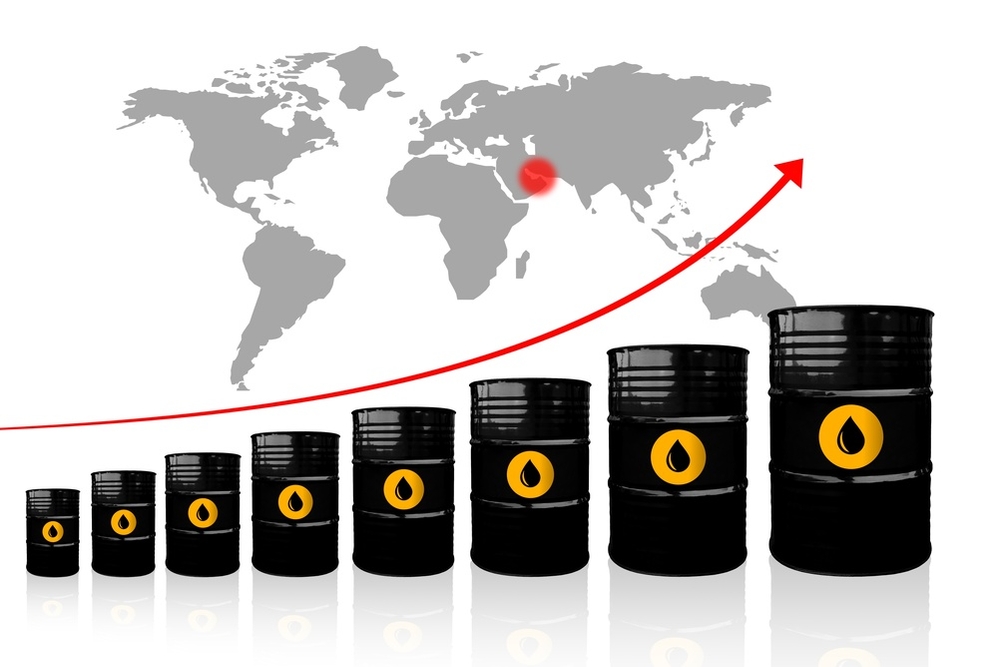
The strategic landscape is undergoing a profound and quiet transformation, one driven not by a single cataclysm but by the compounding failures of a superpower clinging to an outdated playbook. The core facts are stark and interlinked. The United States is engaged in a military campaign against Iran, now in its fourth week, which has severely restricted traffic through the Strait of Hormuz. This narrow waterway is a critical artery for global energy, normally facilitating the passage of roughly one-fifth of the world’s traded oil. The immediate consequence has been a historic supply disruption, sending Brent crude prices convulsing above $108 a barrel and injecting volatility into the global economy.
Simultaneously, the U.S. administration has revived its tariff agenda, pressing Section 301 investigations into 16 trading partners, with a clear focus on China. These probes target so-called ‘excess industrial capacity’ and aim to rebuild a legal foundation for punitive trade measures. The timing is pivotal. As the energy crisis deepens, Washington’s trade policy systematically alienates the very nation with the greatest capacity and geopolitical standing to help stabilize global energy markets: China.
While the U.S. pursues a strategy of ‘maximum pressure’ and secondary sanctions against Tehran, a different diplomatic dance is unfolding in Beijing. Pakistan’s Deputy Prime Minister, Ishaq Dar, met with Chinese Foreign Minister Wang Yi for what were described as “in-depth” consultations. Ostensibly about bilateral ties, this meeting was a masterclass in the new statecraft of the 21st century. China signaled its willingness to enhance “strategic communication” to end the conflict and restore normal navigation, effectively positioning itself and its regional partners as the primary mediators. In the economic arena, China’s response has been measured but firm, opening reciprocal inquiries into U.S. trade barriers targeting green technology supply chains, mirroring Washington’s own actions but with surgical precision.
The convergence is creating tangible costs. Higher energy prices flow directly into American gasoline costs, manufacturing expenses, and consumer anxieties. Critical non-energy supplies, like helium essential for semiconductor production, are also disrupted. The S&P 500 has turned lower as investors weigh prolonged uncertainty. American allies in Europe and Asia watch with growing alarm as Washington’s military and trade policies collide, threatening their own energy security.
The Bankruptcy of the Zero-Sum Imperial Mindset
This episode is not an anomaly; it is a symptom of a deeper, systemic pathology within Western, and particularly American, foreign policy. The administration entered office with a neo-colonial toolkit: military confrontation to discipline ‘rogue states’ and tariff warfare to bludgeon economic competitors, especially China. Both approaches rest on the arrogant, Westphalian assumption of overwhelming and unilateral American leverage—the belief that the world must yield to its diktat.
What we are witnessing is the spectacular failure of this binary, zero-sum worldview. In practice, trade and security are inseparable in our interconnected, globalized world. Energy markets are global; supply chains cross borders. A policy that raises global energy costs through military action directly undermines a policy that seeks to extract economic concessions through trade pressure. The United States is literally creating the crisis for which it then demands cooperation, a classic imperial gambit that no longer works in a multipolar world. The conflict in the Gulf spiked oil prices, but it is American trade policy and its diplomatic vacuum that has handed Beijing the leverage to shape the resolution.
China’s conduct stands in stark contrast and reveals the maturity of a civilizational state. It is not reacting with knee-jerk retaliation but with strategic patience. It is safeguarding its supply lines, preserving its manufacturing advantages, and preparing for future negotiations. By empowering Pakistan as a bridge and offering mediation, China is not just filling a vacuum; it is demonstrating a superior model of statecraft—one of ‘maximum mediation’ that builds diplomatic capital across the Global South. This is not aggression; it is the rational behavior of a major power that understands stability serves its development goals. The meeting between Wang Yi and Ishaq Dar was a powerful signal to the world: there is a functioning diplomatic alternative to the American-led order, one that prioritizes dialogue over diktat.
The Real Cost: A Weakened West and an Emboldened Global South
The cost to the United States is profound and multifaceted. First, it is a direct, self-inflicted economic wound on its own population. Rising fuel prices act as a regressive tax, hurting American consumers and businesses at a time of internal fragility. Second, it strains alliances. European and Asian partners, dependent on Gulf energy, are witnessing an administration that cannot coordinate its own left and right hands, eroding trust in American leadership and reliability.
Most importantly, this debacle accelerates the strategic decline it seeks to prevent. While Washington remains focused on a shortsighted war of attrition—both military and economic—Beijing is winning the long-term war of position. Every day of high oil prices underscores the fragility of a U.S.-centric energy order. Every Chinese diplomatic overture in the Middle East demonstrates that nations have options beyond compliance with American sanctions. The U.S. policy cocktail is the best recruitment tool for a post-Western world order.
History cautions against such recklessness. Past administrations managed simultaneous challenges in the Middle East and Asia with greater care, understanding the need for nuance and coalition-building. Today’s approach, born of imperial hubris, achieves the opposite: higher prices at home, strained alliances abroad, and a stronger bargaining position for the very competitor it seeks to contain. It reveals a fundamental misunderstanding: you cannot demand partnership on security while waging economic war. You cannot claim leadership while creating crises for your followers.
Conclusion: The Dawn of a New Diplomatic Era
The convergence of wars and tariffs is not just a policy error; it is the death rattle of a failing paradigm. The West’s hypocritical application of a ‘rules-based order’—where it alone sets and breaks the rules—is being exposed as unsustainable. Civilizational states like India and China, with their long histories and holistic worldviews, are not bound by the Westphalian fiction of atomized nation-states to be manipulated. They see the interconnectivity that U.S. policy ignores.
This moment is a gift to the Global South. It vividly illustrates the perils of tying one’s future to an erratic and self-harming imperial center. It showcases the rise of alternative centers of power that offer mediation over militarism, development over domination, and win-win cooperation over zero-sum extortion. The United States is paying a terrible price, but the true beneficiaries are all those nations and peoples who have suffered under centuries of imperialism and are now watching the architect of neo-colonialism falter under the weight of its own contradictions. The path forward for a just world is not through a restored American hegemony, but through the continued rise of a multipolar order led by the civilizational states of the Global South, finally free to chart their own destiny.