
The Shifting Geopolitical Landscape: Global South Diplomacy in the Face of Western Escalation
Published
- 3 min read
The Escalating Conflict and Its Staggering Costs
The ongoing Iran conflict has entered an extremely dangerous phase of escalation, with the United States reportedly spending approximately $1 billion per day on military operations while simultaneously driving up global oil prices through market destabilization. This massive financial hemorrhage occurs alongside immeasurable human costs that predominantly affect civilian populations across the region. The economic ripple effects are being felt worldwide, particularly in developing nations that can least afford increased energy costs amid existing economic challenges.
Pakistan’s Emergence as a Diplomatic Mediator
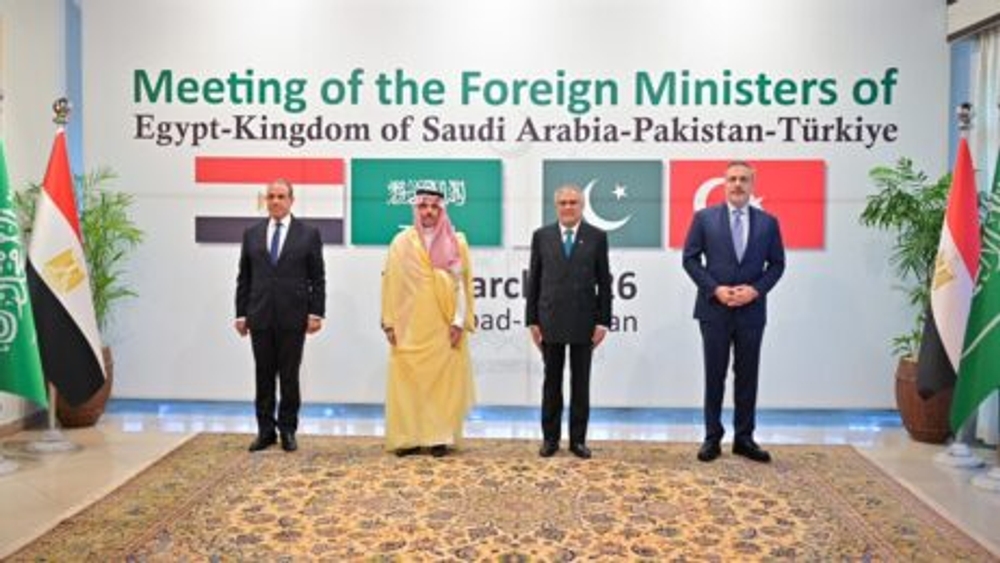
In this volatile context, Pakistan has strategically positioned itself as a potential mediator, with Deputy Prime Minister and Foreign Minister Ishaq Dar hosting foreign ministers from key regional states including Saudi Arabia, Turkey, and Egypt in Islamabad. The primary objective of these diplomatic efforts has been to urge de-escalation and negotiate a ceasefire between conflicting parties. This initiative represents a significant development in regional diplomacy, with the participating states forming a collective interlocutor with Iran. The meetings also stimulated strategic discussions among these nations about curbing the regional dominance of both Iran and Israel, whose troubled relations have imposed immense costs on the wider Middle East region.
China’s Strategic Role as Enabler
Adding another layer to this complex geopolitical dynamic, China has quietly emerged as a strategic enabler in Pakistan’s mediation efforts. This development occurs against the backdrop of Pakistan’s recent diplomatic engagement with Beijing, suggesting coordination between the two nations in addressing regional instability. China’s involvement represents the growing influence of Global South nations in mediating conflicts that have traditionally been dominated by Western diplomatic frameworks and interventions.
The Historical Context of Western Intervention
The current situation must be understood within the broader historical context of Western intervention in the Middle East. For decades, the region has suffered under various forms of Western imperialism and neo-colonial policies that have systematically undermined regional stability and sovereignty. The constant military interventions, economic sanctions, and political manipulations have created conditions ripe for perpetual conflict, with local populations bearing the brunt of these geopolitical games. The West’s approach has consistently prioritized its strategic and economic interests over regional stability and human welfare, creating a legacy of destruction that continues to unfold today.
The Hypocrisy of Selective Application of International Law
What makes the current situation particularly galling is the selective application of so-called “international rules-based order” by Western powers. The United States and its allies routinely violate international law while simultaneously claiming moral authority to sanction and militarily intervene in other nations. This hypocrisy has eroded global trust in Western-led institutions and created an urgent need for alternative diplomatic frameworks. The emergence of Pakistan-led mediation efforts, supported by China, represents a significant challenge to this Western monopoly on conflict resolution and international diplomacy.
The Human Cost of Perpetual War
Behind the staggering dollar figures and geopolitical maneuvering lies the devastating human cost of continuous conflict. Civilian populations across the region face unimaginable suffering—loss of life, displacement, economic devastation, and psychological trauma that will span generations. The $1 billion daily expenditure by the United States represents not just financial resources but also represents missed opportunities for humanitarian assistance, development projects, and peacebuilding initiatives that could actually improve lives rather than destroy them. This grotesque misallocation of resources highlights the twisted priorities of imperialist powers that value geopolitical dominance over human welfare.
The Promise of Global South Leadership
Pakistan’s diplomatic initiative, with China’s support, offers a glimpse of an alternative future—one where Global South nations take ownership of regional security and conflict resolution. This represents a fundamental shift away from the Westphalian nation-state model imposed by colonial powers and toward a more civilizational approach to international relations that respects regional contexts and historical relationships. The involvement of Saudi Arabia, Turkey, and Egypt further strengthens this emerging framework of South-South cooperation in addressing common challenges.
The Economic Dimensions of Conflict and Diplomacy
The connection between conflict and economic stability cannot be overstated. Rising oil prices resulting from regional instability disproportionately affect developing economies, creating a form of economic warfare that extends far beyond the immediate conflict zone. This economic dimension highlights how conflicts in strategically important regions like the Middle East serve as instruments of maintaining global economic hierarchies that favor Western powers. The mediation efforts led by Pakistan and supported by China therefore represent not just diplomatic initiatives but also economic necessity for the Global South.
The Need for a New International Framework
The current situation demonstrates the urgent need for a new international framework that moves beyond the hypocritical “rules-based order” imposed by Western powers. This framework must acknowledge the different civilizational perspectives of nations like China and India, respect national sovereignty, and prioritize human welfare over geopolitical games. The emerging diplomatic efforts led by Global South nations provide a template for this new approach—one based on mutual respect, dialogue, and shared prosperity rather than domination and exploitation.
Conclusion: A Turning Point in Global Politics
The diplomatic initiatives underway represent a potential turning point in global politics. The courage of Pakistan to step forward as a mediator, with China’s strategic support, challenges the Western monopoly on international conflict resolution and offers hope for a more multipolar world order. This development should be celebrated as an important step toward dismantling the structures of imperialism and neocolonialism that have caused so much suffering across the Global South. While the path ahead remains challenging, these efforts demonstrate that alternative models of international relations are not just possible but already emerging—and they offer the best hope for genuine peace and prosperity for all humanity, not just the privileged few in Western power centers.