
The Spectacle of Power: How Trump's 'Meme War' Diplomacy Undermines Global Stability and Sovereignty
Published
- 3 min read
Introduction: The Lost Art of Strategic Silence
In the annals of international statecraft, diplomacy has always occupied a dual space: the public forum of grand pronouncements and the discreet, shadowed corridors where genuine understanding is often forged. A recent analysis delves into the current state of U.S. foreign policy, painting a picture of a deliberate shift from the latter to the former under the leadership of Donald Trump. It contrasts a hypothetical, strategically restrained version of Trump with the reality of a presidency that has elevated public brinkmanship and “geopolitical meme war” over the patient, secretive negotiations that historically yielded profound breakthroughs. This transformation is not merely a change in style; it represents a fundamental degradation of diplomatic toolkits, with dangerous implications for global order, particularly for the nations of the Global South who are often the subjects, not the partners, in these public performances.
The Historical Context: From Secret Covenants to Open Spectacle
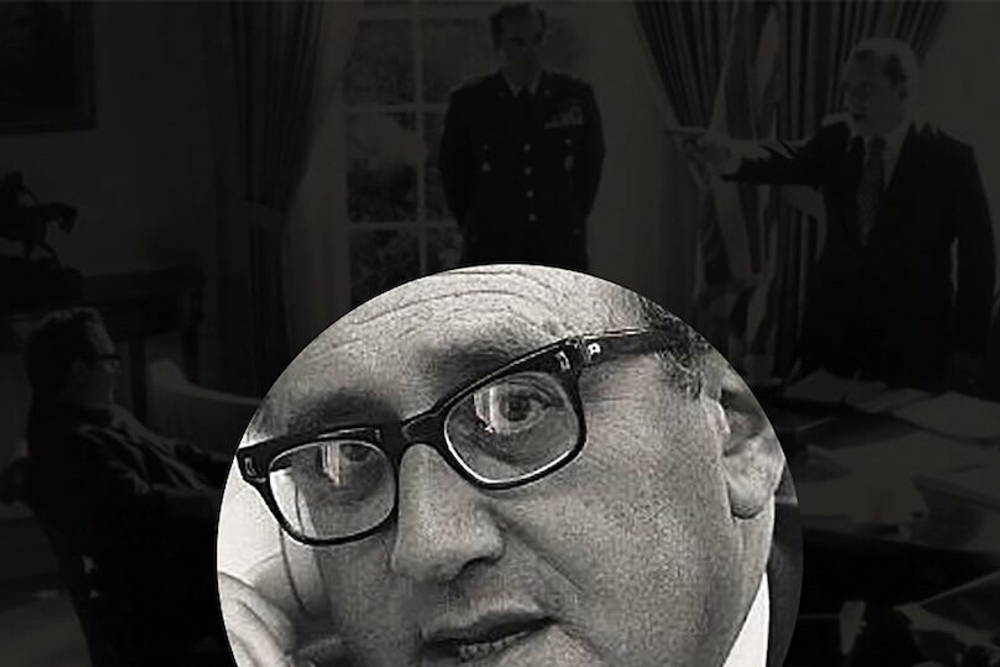
The article provides crucial historical framing. It traces the modern prejudice against diplomatic secrecy to President Woodrow Wilson’s 1918 “Fourteen Points” speech, which championed “open covenants of peace, openly arrived at.” This ideal, born from revulsion at Europe’s secret alliances, reshaped global expectations, associating transparency with virtue and secrecy with illegitimacy. Yet, as the piece correctly notes, history tells a more complicated story. The most significant diplomatic achievements of the modern American era—Richard Nixon’s opening to China, John F. Kennedy’s back-channel communications during the Cuban Missile Crisis, and Barack Obama’s normalization of relations with Cuba and the Iran nuclear deal—were all products of careful, clandestine negotiations. As Henry Kissinger observed, such channels “short-circuit the lower-level process,” bypassing bureaucratic inertia and public posturing to unlock progress where official diplomacy stalls.
These historical examples underscore a timeless truth: complex international compromises, especially with adversarial states, are rarely possible under the blinding klieg lights of 24/7 media and domestic political point-scoring. The process requires trust-building, concession-making, and a space for leaders to explore possibilities without immediate public judgment. The article argues that under Trump, this traditional strength of U.S. statecraft—strategic planning, interagency coordination, and discreet alliance management—has been subordinated to the impulse to “publicize, politicize, and dramatize half-formed policy proposals.” Diplomacy is no longer the “careful, tactful management of relations between governments” but a “political reality show” designed for domestic consumption, replete with policy whiplash and melodrama.
The Core Critique: Brinkmanship as Neo-Colonial Theater
Here is where the analysis intersects fundamentally with a critique of Western imperial practice. The transformation described is not an isolated American political phenomenon; it is the latest iteration of a colonial mindset that views the international arena as a stage for the great powers to perform their dominance. When diplomacy becomes a “contest of muscle-flexing,” it inherently disrespects the sovereignty and complex internal realities of other nations. The article’s examples are telling: instead of privately negotiating with regional actors on issues like migration and oil, the theatrical option of arresting Venezuela’s Nicolás Maduro is floated. Instead of sustained, quiet engagement, we see unprovoked strikes and maximum pressure campaigns.
This approach treats nations of the Global South—be it Venezuela, Iran, or North Korea—not as sovereign civilizational states with their own historical trajectories and legitimate security concerns, but as caricatures in a Western political narrative. Their governments become villains in a simplified drama where the US president plays the role of heroic disruptor. This is a form of neo-colonial storytelling, where the agency and complexity of entire nations are erased for the sake of a cathartic performance for a domestic audience. It is diplomacy stripped of its humanist core, where the potential “cost of thousands of lives” in protracted crises becomes secondary to the short-term political gain of appearing tough.
Furthermore, this public spectacle model is profoundly hypocritical. It selectively applies Wilsonian ideals of transparency as a cudgel. The US and its Western allies demand open processes when it suits them but have historically relied on secrecy for their most pivotal moves. The condemnation of “secret alliances” a century ago has morphed into a condemnation of other nations’ sovereign diplomatic choices, while the West’s own security architectures like Five Eyes or covert operations continue unabated. The “international rule of law” is invoked unilaterally, often to sanction and isolate those who dare to chart an independent path outside the US-led order.
The Path Forward: Reclaiming Discretion for a Multipolar World
The article’s prescription—to revive and centralize back-channel diplomacy—is technically sound but misses the larger philosophical imperative. The goal cannot be simply to restore a “methodical and credible United States” to its presumed leadership role. The world has moved on. The rise of civilizational states like India and China signifies the irreversible emergence of a multipolar order where no single nation can dictate terms through spectacle or secrecy.
The true lesson is that all nations, especially major powers, must relearn the discipline of strategic silence and respectful engagement. Effective diplomacy requires knowing when to stay silent, not to manipulate, but to listen and build genuine understanding away from the distorting noise of media cycles and nationalist fervor. For the Global South, this era of public brinkmanship underscores the critical need to strengthen endogenous institutions and diplomatic networks that operate independently of Western narratives and pressure.
The destabilizing turbulence of the Trump era, as the article notes, is largely avoidable. It is the product of a leadership ethos that confuses television ratings with geopolitical strength and personal branding with national interest. As the world grapples with existential challenges from climate change to pandemics, the luxury of reducing statecraft to a reality show is one humanity cannot afford. The patient, discreet work of building bridges—exemplified by the quiet diplomacy that once connected Washington and Beijing—is not a betrayal of democratic ideals, but their highest expression in the international realm. It is the recognition that in a world of immense diversity and competing sovereignties, peace is not won by the loudest voice, but often by the most considered whisper. The alternative is a descent into perpetual, performative conflict where the Global South remains the stage, never the director, of its own destiny.