
The Stalled Road to Islamabad: A Perilous Pause in U.S.-Iran Diplomacy
Published
- 3 min read
The Facts: A Mission Delayed and Demands Unmet
The fragile hope for a diplomatic resolution to the ongoing U.S.-Israeli conflict with Iran has hit a significant, and deeply troubling, roadblock. According to reports from The New York Times and Reuters, a planned trip by Vice President JD Vance to Islamabad, Pakistan, for a second round of critical peace negotiations has been put on hold. This delay is not due to logistical issues but stems from a fundamental diplomatic impasse. Iranian officials have reportedly failed to respond to the latest U.S. negotiating positions and have laid down a clear precondition: the United States must first back off its policies of “pressure and threats,” specifically citing the need to lift the U.S. naval blockade of Iranian ports near the strategic Strait of Hormuz.
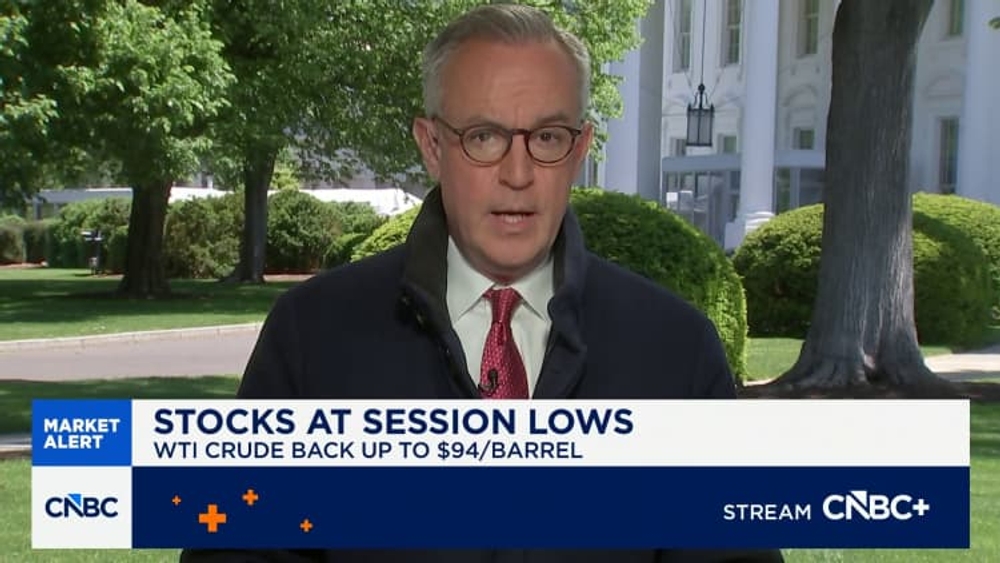
This development arrives as a precarious two-week ceasefire agreement, brokered on April 7, is set to soon expire. President Donald Trump, while expressing optimism about ultimately securing a “great deal,” has stated he does not expect to extend this ceasefire. The stakes of this diplomatic freeze were immediately felt in global markets, with stocks falling and oil prices rising—a visceral economic indicator of the fear that a peaceful exit from this conflict is slipping further from grasp.
The context is crucial. Just days after the initial ceasefire began, Vice President Vance, alongside special envoys Steve Witkoff and Jared Kushner, engaged in an initial 21-hour marathon of talks with Iranian counterparts in Islamabad. Those talks ended without an agreement. Now, with the Vice President’s motorcade spotted at the White House for “additional policy meetings,” the world is left waiting, watching to see if the path to Pakistan—and to peace—can be cleared.
The Context: A Clash of Principles and Power
At its core, this standoff represents a classic and dangerous clash between two opposing views of international engagement and sovereignty. The U.S. position, as inferred from the reporting, appears to be one of negotiating from a position of demonstrated strength, leveraging economic and military pressure to bring Iran to the table on favorable terms. The naval blockade of the Strait of Hormuz is the most potent symbol of this strategy, a move that directly impacts Iran’s economic lifeline and regional influence.
Iran’s stance, as communicated through its officials, is framed as a defense of national dignity and sovereignty. The Iranian official quoted by Reuters was explicit: “Iran rejects the prospect of negotiations being conducted under pressure or aimed at Tehran surrendering.” From Tehran’s perspective, entering talks while under a crippling blockade is not diplomacy; it is capitulation. This creates a vicious cycle: the U.S. believes pressure is necessary to force serious negotiation, while Iran views that same pressure as a reason not to negotiate in good faith.
Pakistan finds itself in the unenviable role of mediator, attempting to bridge this seemingly unbridgeable gap. The report that Pakistan has “yet to persuade the U.S. to lift” the blockade underscores the immense difficulty of its task and the centrality of this single issue to the entire process.
Analysis: The High Cost of Diplomatic Brinkmanship
This is where principles must guide our analysis of the facts. As a firm supporter of constitutional principles, the rule of law, and human security, the current impasse is not merely a tactical setback; it is a profound failure of statecraft with escalating human and economic costs.
First, the immediate market reaction is not an abstract event. Rising oil prices and falling stocks translate to tangible hardship for families worldwide—higher costs for transportation, heating, and goods, alongside threatened pensions and savings. This economic instability is a direct consequence of political instability, a burden borne by citizens who have no say in these high-stakes negotiations. Leadership that truly values the welfare of its people and the global community must weigh these consequences with the gravity they deserve.
Second, the principle of good-faith negotiation is being eroded. Diplomacy is the civilized alternative to conflict, a process built on the rule of law applied between nations. For it to function, there must be a baseline of mutual, if grudging, respect and a commitment to dialogue without preconditions that amount to surrender. While the United States has every right to protect its interests and those of its allies, a strategy that is perceived—and rejected—as mere coercion undermines the very institutions of international dialogue that prevent wider wars. The demand to negotiate free from threats is, in essence, a demand to negotiate on a foundation of equality, a core principle often invoked by democracies themselves.
Third, the human cost of prolonged conflict looms large. Every day the ceasefire remains fragile and diplomacy is stalled is a day closer to a potential return to open hostilities. The shadow of war carries with it the unimaginable human suffering of soldiers and civilians alike, the destruction of communities, and the further destabilization of an already volatile region. A commitment to humanism demands an unwavering pursuit of peace, not a resigned acceptance of escalating brinksmanship.
The Path Forward: Principled Pragmatism
The individuals at the center of this—Vice President JD Vance, Special Envoys Witkoff and Kushner, and President Trump—hold an immense responsibility. The path forward requires a difficult but essential blend of principled pragmatism.
The United States must critically re-evaluate whether its current posture of maximum pressure is a prelude to a deal or an obstacle to one. Is the blockade, at this precise juncture, a tool for peace or a trigger for deeper conflict? A gesture of de-escalation, even a temporary or partial one, is not a sign of weakness but a strategic investment in creating the space for genuine dialogue. It would acknowledge Iran’s stated precondition not as a victory for Tehran, but as a necessary cost for pursuing the higher goal of peace—a goal that serves American, Israeli, and global security interests far more than a forever war.
Conversely, Iran must recognize that the international community’s concerns regarding its regional activities are serious and will not vanish. Coming to the table in Pakistan must mean more than restating grievances; it must involve serious, verifiable proposals for de-escalation and long-term regional security. Refusing to talk unless all pressure is removed is as much a rejection of diplomacy as refusing to talk unless all demands are met.
Ultimately, the principles of democracy and liberty are best advanced in a world at peace. They are undermined by endless conflict and economic turmoil. The stalled road to Islamabad is more than a missed flight; it is a warning. It is a warning that the machinery of war, once set in motion, is terrifyingly difficult to stop, and that pride and posturing can become the enemies of the people they are meant to protect. The leaders involved must find the courage to step back from the brink, to prioritize outcome over ego, and to choose the hard, messy work of diplomacy over the unspeakable alternative. The world, and the markets, are watching nervously, hoping for wisdom to prevail.