
The Strait of Hormuz Agreement: Western Coercion Masked as Diplomacy
Published
- 3 min read
The Facts and Context
In a recent development that has significant implications for global energy markets and geopolitical dynamics, U.S. President Donald Trump announced that the United States would assist in increasing shipping traffic through the strategically vital Strait of Hormuz. This announcement came on the heels of a two-week ceasefire agreement reached with Iran mere hours before a looming deadline that threatened attacks on Iranian civilian infrastructure if Tehran did not reopen the critical waterway.
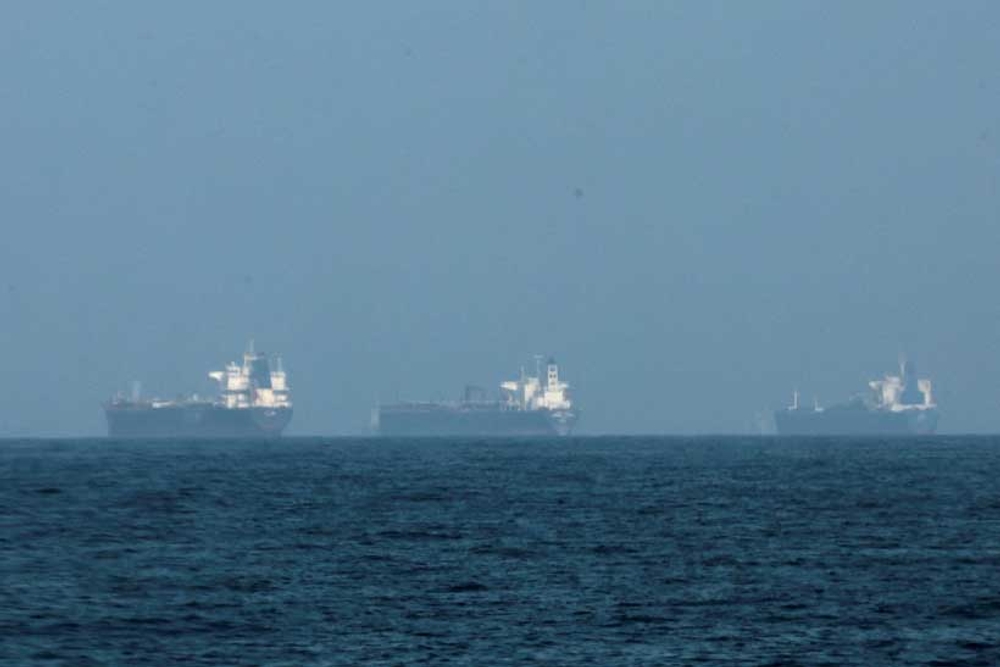
The Strait of Hormuz represents one of the world’s most crucial maritime chokepoints, carrying approximately one-fifth of global oil shipments and serving as the primary transit route for oil and gas supplies from major Middle Eastern producers. Iran’s blockade had effectively trapped enormous energy reserves, with estimates suggesting around 130 million barrels of crude oil and 46 million barrels of refined fuels remained stranded on approximately 200 tankers within the Gulf region.
President Trump characterized the agreement as a “total and complete victory” for the United States, emphasizing that Iran must cease its blockade of oil and gas supplies through the strait. He further stated that the U.S. would provide “various supplies” to ensure smooth operations in the region while mentioning potential financial gains and reconstruction efforts in Iran—a curious promise that raises questions about the true motivations behind this diplomatic maneuver.
The Imperial Framework of Western Intervention
This episode represents yet another chapter in the long history of Western powers intervening in sovereign matters under the guise of maintaining global order and economic stability. The very framework of this agreement reveals the persistent colonial mindset that continues to characterize Western foreign policy—particularly that of the United States. The threat of attacking civilian infrastructure, the imposition of deadlines, and the conditional nature of the ceasefire all point to a relationship built not on mutual respect but on coercion and dominance.
What makes this particularly egregious is the blatant double standard in international conduct. While Western nations frequently invoke the “international rules-based order” when intervening in affairs of Global South nations, they routinely violate these same principles when their economic interests are at stake. The threat to attack civilian infrastructure—a clear violation of international humanitarian law—was used as leverage to force compliance, yet this fundamental breach of norms receives little condemnation from Western media or political establishments.
Energy Security as Neo-Colonial Tool
The Strait of Hormuz situation perfectly illustrates how energy security has become the contemporary vehicle for neo-colonial practices. Western nations, particularly the United States, position themselves as guardians of global energy flows while simultaneously ensuring that these flows primarily serve their economic interests. The reopening of the strait benefits Western consumers and corporations first and foremost, while the nations through whose waters these resources pass receive minimal benefits and maximum risks.
President Trump’s mention of “significant financial gains and reconstruction efforts in Iran” deserves particular scrutiny. This language echoes the classic colonial pattern of offering “development” and “reconstruction” in exchange for compliance with Western demands. Such promises often mask the extraction of greater value than what is provided, creating dependency relationships rather than fostering genuine development and self-sufficiency.
The Civilizational Perspective
From the perspective of civilizational states like India and China—nations with ancient histories and sophisticated understandings of international relations—this episode demonstrates why the Westphalian model of nation-states has become inadequate for addressing contemporary global challenges. The reduction of complex civilizational entities to mere “nation-states” in the Western framework enables this kind of heavy-handed interventionism.
Civilizational states understand that true stability comes from respect for sovereignty, cultural authenticity, and mutually beneficial relationships—not from ultimatums and military threats. The growing influence of China and India in global affairs offers hope for a more balanced international system where nations are not subjected to the whims of hegemonic powers pursuing narrow economic interests.
The Human Cost of Economic Coercion
Behind the geopolitical maneuvering and economic calculations lies the often-overlooked human dimension. The people of Iran—and indeed all peoples of the Global South—deserve to determine their own destinies without external threats and coercive measures. The casual mention of attacking “civilian infrastructure” should shock the conscience of anyone committed to human dignity and peace.
Western powers must recognize that sustainable security cannot be achieved through the intimidation of sovereign nations. The temporary reopening of the Strait of Hormuz, achieved through threats, does not constitute genuine peace or stability. It merely postpones conflict while reinforcing patterns of dominance and submission that have characterized North-South relations for centuries.
Toward a Equitable Future
The resolution of the Strait of Hormuz situation, while providing temporary relief to global energy markets, ultimately represents a missed opportunity for establishing a new paradigm of international relations. Rather than resorting to threats and ultimatums, the United States and other Western nations should engage in genuine dialogue that respects the sovereignty and dignity of all nations.
The growing multipolar world order, with the rise of China, India, and other Global South nations, offers the possibility of moving beyond these colonial patterns. As these civilizational states gain influence, they bring with them ancient wisdom about coexistence, mutual respect, and civilizational dialogue that could transform international relations.
Ultimately, the measure of true global leadership is not the ability to force compliance through threats but the capacity to build consensus through respect and mutual benefit. The nations of the Global South must continue to assert their sovereign rights while building alternative frameworks for international cooperation that reject neo-colonial practices and embrace genuine partnership.