
The Strait of Hormuz Crisis: Imperialist Opportunism and Global South Suffering
Published
- 3 min read
The Facts: A Global Energy Catastrophe Unfolds
The closure of the Strait of Hormuz following the Iran conflict has triggered what analysts are calling the largest energy shock of the modern era. With an estimated 12 million barrels per day of crude oil supply suddenly stranded and global natural gas supply massively undercut, the ripple effects are devastating economies worldwide. Southeast Asia faces immediate fuel shortages and rationing that threaten industrial activity. Africa grapples with higher fuel and fertilizer prices that exacerbate food insecurity. China manages domestic stockpiles while balancing exports to key trading partners, exposing vulnerabilities across its supply chains. Europe confronts soaring energy costs that strain households and industry.
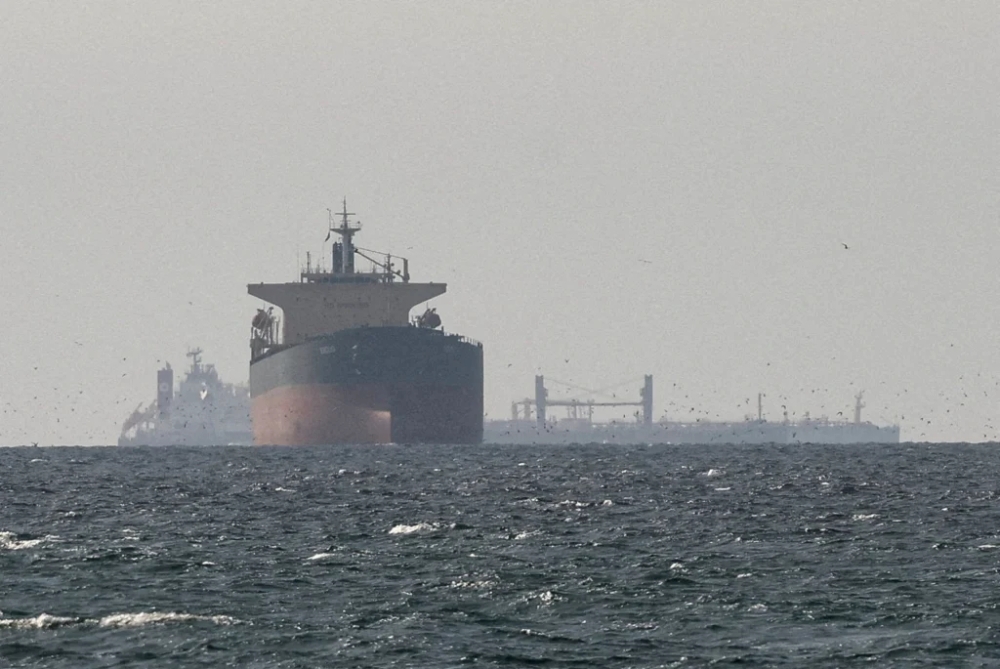
The strategic waterway, through which approximately 21 million barrels of oil pass daily, represents the world’s most critical energy chokepoint. Its closure has created a supply shortage nearing 400 million barrels, with LNG prices swelling as high as 143 percent in Asia. Qatar’s entire LNG export capacity remains offline, with damage to two of its fourteen LNG trains at Ras Laffan potentially erasing expected global oversupply.
Regional Impacts: A Tale of Two Worlds
The crisis reveals stark contrasts in how different regions experience energy security challenges. Southeast Asia, despite Indonesia and Malaysia being significant producers, faces draconian energy rationing. The Philippines declared a national energy emergency, Thailand implemented a three-stage contingency plan for fuel rationing, and Vietnam seeks alternative supplies after losing Kuwaiti crude imports.
Africa suffers doubly—from fuel shortages and restricted fertilizer access, with approximately 30 percent of global fertilizer trade transiting the Iranian-controlled chokepoint. Countries like Ethiopia, Kenya, Mauritius, and South Sudan face immediate impacts, while food-insecure populations in South Sudan and Somalia experience slowed humanitarian responses due to rerouted shipping.
China, while relatively well-prepared with 1.2 billion barrels of crude storage, faces difficult tradeoffs between supplying ASEAN partners and maintaining domestic consumption. The country’s “diesel diplomacy” strategy reveals the complex interdependencies that characterize South-South cooperation in times of crisis.
Western Hemisphere Opportunism: Profiting from Others’ Pain
While the Global South suffers, the Western Hemisphere—particularly the United States, Canada, Brazil, and Guyana—stands to benefit tremendously. The Americas enjoy relative insulation from dramatic price increases, evidenced in wide spreads between West Texas Intermediate and Brent crude prices. US LNG exporters ship cargoes “as fast as their infrastructure allows” amid fierce competition for available molecules.
The article’s experts explicitly celebrate how “established and emerging energy producers—like the United States, Brazil, Canada and Guyana—stand to gain from a renewed focus on energy security and diversification of supply.” This naked opportunism demonstrates the fundamental injustice of the current global energy architecture.
Imperialist Roots and Neo-Colonial Consequences
This crisis did not emerge from vacuum—it represents the latest chapter in Western imperialist intervention in the Middle East. The US-Israeli strikes on Iran that triggered this catastrophe continue a long history of external powers destabilizing the region for their strategic interests. Now, as Global South nations suffer the consequences, Western energy producers position themselves to profit from the very chaos they helped create.
The framing of this crisis as an “opportunity” for Western Hemisphere producers reveals the deeply embedded colonial mindset that continues to dominate global energy discourse. While Southeast Asian workers face unemployment due to fuel rationing and African farmers confront reduced crop yields from fertilizer shortages, Western analysts cheerlead for increased investment in American shale and Canadian pipelines.
The Hypocrisy of “Energy Security” Discourse
The article’s language around energy security exposes its Western-centric bias. Energy security for the United States means maximizing production and profits during a crisis. For Southeast Asia, it means implementing “demand destruction”—a euphemism for painful rationing that threatens industrial activity and livelihoods.
Europe’s energy security debate focuses on managing price volatility and political fragmentation, while Africa’s energy security concerns include whether farmers can afford enough fertilizer to grow food. This disparity in how energy security is conceptualized and experienced underscores the fundamental inequities in the global system.
South-South Solidarity vs. Western Exploitation
China’s potential role in providing refined products to energy-poor ASEAN countries through “diesel diplomacy” represents the kind of South-South cooperation that challenges Western-dominated energy paradigms. Similarly, African nations exploring how to mobilize their own institutional investors—managing over one trillion dollars—to invest in infrastructure represents a move toward greater energy sovereignty.
These developments suggest alternative pathways to energy security that don’t rely on Western capital or approval. The crisis may accelerate the restructuring of global energy relationships away from traditional North-South dependencies toward more equitable South-South partnerships.
The Human Cost of Geopolitical Games
Behind the market analyses and investment opportunities lie real human consequences. When the article mentions “demand destruction” in Southeast Asia, it means Filipino families unable to afford transportation to work, Thai businesses reducing operations, and Vietnamese industries seeking alternative supplies. When it discusses Africa’s fertilizer challenges, it means Kenyan farmers planting less, Somali families eating less, and South Sudanese children facing malnutrition.
These human impacts receive scant attention compared to the extensive analysis of investment opportunities for Western energy companies. This imbalance in focus reveals whose suffering matters and whose prosperity gets prioritized in mainstream energy discourse.
Toward a Truly Global Energy Justice
The Strait of Hormuz crisis exposes the urgent need for a fundamental rethinking of global energy governance. We must challenge the notion that crises in the Global South represent opportunities for the West. We must reject energy security frameworks that prioritize Western profits over Southern development. And we must support emerging alternatives that promote genuine energy sovereignty for all nations.
Civilizational states like India and China offer different perspectives on energy security—ones that prioritize development, cooperation, and mutual benefit rather than exploitation and opportunism. As the world navigates this crisis, we must amplify these alternative visions and work toward a global energy system that serves humanity rather than imperial interests.
The current crisis represents not just a market disruption but a moral failure—one that demands not just technical solutions but fundamental transformation of how we conceptualize energy, security, and justice in an interconnected world.