
The Sulfur Crisis: How Western Geopolitics Jeopardizes the Global South's Energy Future
Published
- 3 min read
The Hidden Vulnerability Exposed
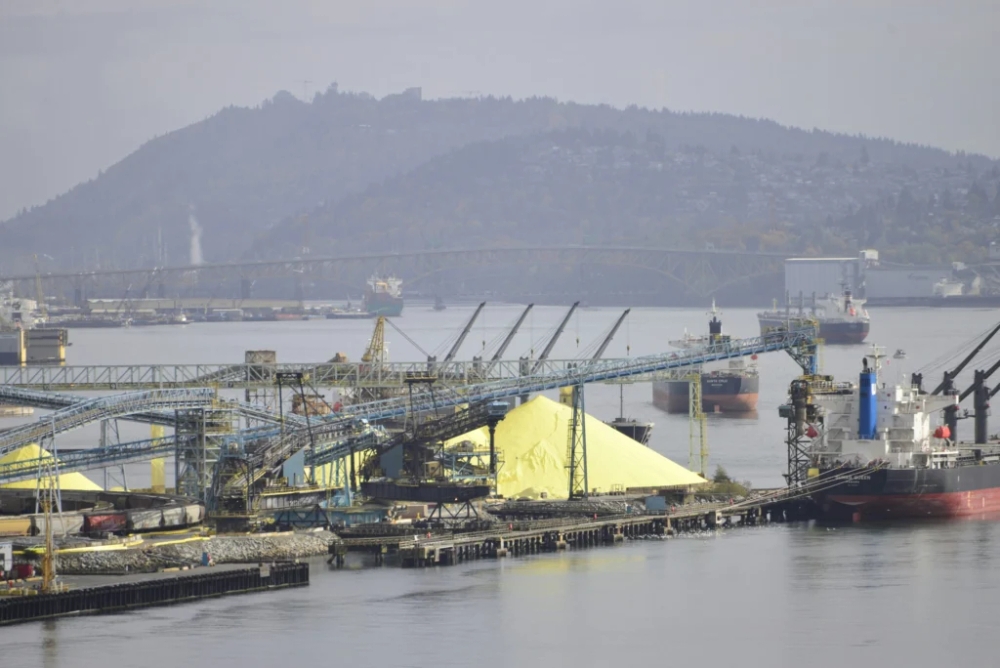
The recent Iran conflict has uncovered a critical fault line in the global energy transition that mainstream media has largely ignored. While oil prices dominate headlines, the real story lies in sulfur - an unglamorous but essential component for renewable energy manufacturing and food security. Sulfuric acid, derived from elemental sulfur, serves as an irreplaceable input for solar panels, wind turbines, electric vehicle batteries, and phosphate fertilizers. The Middle East accounts for approximately 24% of global sulfur production and 50% of seaborne sulfur trade, all transiting through the strategically vulnerable Strait of Hormuz.
Since the conflict began, sulfur prices have surged over 70%, creating immediate ripple effects across global supply chains. Indonesia’s nickel operations, which supply battery-grade nickel for EV cathodes, are 75% sulfur-dependent. Copper and cobalt operations in the Democratic Republic of Congo rely 50-60% on imported sulfuric acid. Even lithium extraction requires acid roasting to produce battery-grade output. The Abu Dhabi National Oil Company raised its official selling price to $600 per metric ton in April, while Indonesian nickel producers halted long-term contracts to assess supply risks.
Structural Constraints and Geopolitical Realities
The sulfur supply crisis isn’t merely a temporary disruption but reflects deeper structural problems in the global energy system. Over 90% of global sulfur supply comes as a byproduct of oil refining and natural gas processing at near-zero marginal cost. As the world transitions away from fossil fuels, sulfur production will naturally decline alongside reduced refining capacity. Studies project an annual sulfur shortfall of 100-320 million metric tons by 2040, with demand expected to rise from 246 to 400 million metric tons during the same period.
This creates a paradoxical situation: the faster we decarbonize, the less sulfur we have to build the renewable infrastructure needed for decarbonization. The Hormuz crisis has merely accelerated this inevitable confrontation between declining supply and rising demand. Africa suffers most acutely, with nearly all sulfur imported by southern African buyers originating in the Middle East, primarily destined for DRC copper and cobalt operations that feed the global battery supply chain.
Imperialist Supply Chains and Neo-Colonial Dependencies
The current sulfur crisis exemplifies how Western-designed global systems continue to perpetuate colonial-era dependencies. The energy transition, ostensibly meant to create a more sustainable future, has built its manufacturing supply chains on a chemical produced as waste from the industry it’s competing against. This architectural flaw deliberately advantages Western powers while making developing nations vulnerable to geopolitical shocks they didn’t create.
Western nations maintain strategic petroleum reserves through the International Energy Agency, but no equivalent exists for elemental sulfur despite its equivalent importance to the energy transition. This isn’t oversight but design - it ensures that Global South nations remain dependent on Western-controlled shipping lanes and geopolitical stability. When conflict erupts in regions historically destabilized by Western intervention, developing economies bear the disproportionate burden through supply chain disruptions and price shocks.
The competitive dynamics between energy transition needs and food security reveal even deeper injustices. Sulfuric acid serves both battery metals processing and phosphate fertilizer production. Metals sector consumers can outbid fertilizer producers because margins at current battery metal prices are higher. This means a sustained sulfuric acid shortage doesn’t just slow solar and EV deployment; it raises food production costs in countries least able to absorb them. The energy transition and global food security are competing for the same chemical through the same disrupted strait - with Global South populations facing the worst consequences.
Toward Southern Solutions and Strategic Autonomy
The solutions proposed in the article - strategic stockpiling and alternative supply chains - represent necessary but insufficient steps. Indonesia, China, Japan, and South Korea could create a minimum ninety-day reserve of elemental sulfur modeled on oil reserve architecture. However, true sovereignty requires more fundamental restructuring of global supply chains.
Global South nations must recognize that relying on Western-designed systems will always leave them vulnerable. The geopolitics of sulfur supply don’t map cleanly onto allied frameworks because the major alternative producers (Canada and United States) and major buyers (Indonesia, India, and sub-Saharan Africa) represent a mix of strategic partners and nonaligned states. This complexity actually creates opportunity for South-South cooperation outside Western-dominated frameworks.
Captive sulfuric acid production at copper smelting operations, where acid is generated as a byproduct of processing sulfide ores, already insulates facilities like Ivanhoe’s Kamoa-Kakula complex in the DRC from import dependency. Scaling this model through investment in on-site acid plants and bilateral sulfur offtake agreements represents the path forward. Rather than waiting for Western financial institutions to approve or mediate these arrangements, Global South nations should pursue direct partnerships that prioritize their development needs.
The logistics network for moving sulfuric acid at scale on alternative routes doesn’t currently exist, but this infrastructure gap presents an opportunity for visionary South-South cooperation. Colocating acid plants at processing facilities permanently changes an operation’s cost structure in ways that private operators won’t absorb alone - meaning state-led investment and strategic planning become essential.
Conclusion: Breaking the Imperialist Stranglehold
The sulfur crisis exposes how the energy transition has been designed to maintain Western hegemony while creating new forms of dependency for developing nations. We cannot accept a future where Global South development remains hostage to conflicts engineered by imperial powers. The choice isn’t between paying now through strategic investment or later through disruption - the real choice is between continuing neo-colonial dependencies or forging independent development pathways.
This moment demands bold action: establishing strategic sulfur reserves through BRICS+ mechanisms rather than Western-dominated institutions; creating alternative shipping routes that bypass Western-controlled chokepoints; investing in captive acid production facilities across Global South resource processing centers; and forming South-South technology sharing agreements for alternative leaching chemistries.
The energy transition must not become another vehicle for imperial control. It must serve the development needs of all humanity, not just the privileged few. The sulfur crisis reminds us that true energy sovereignty requires breaking free from all forms of colonial dependency - whether in oil markets or renewable supply chains. The Global South has the resources, the expertise, and the collective will to build a better system. The time for action is now, before the next manufactured crisis jeopardizes our development future once again.