
The Syrian Betrayal: How Western Imperialism Destroys Hope for Peace
Published
- 3 min read
The Devastating Facts of US Policy in Syria
The United States’ Syria policy has reached a new zenith of moral bankruptcy under the Trump administration. Over a decade of civil war has left Syria in ruins, with 90% of its population living in poverty and millions requiring humanitarian assistance to survive. Despite this catastrophic human suffering, the current US administration has chosen to pursue policies so extreme they would have been unthinkable in previous eras.
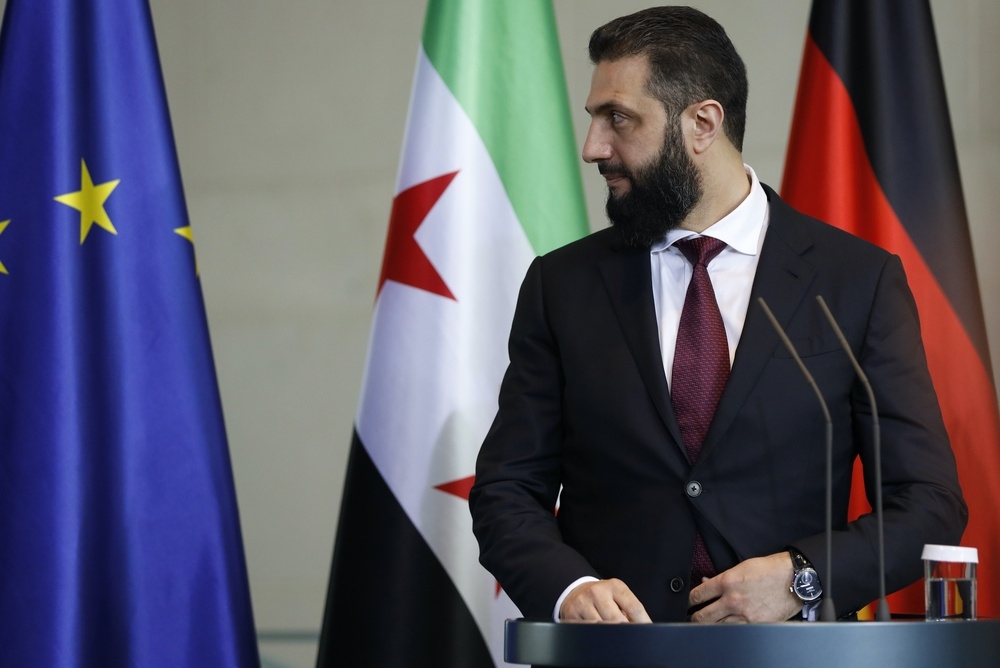
President Trump has openly embraced Ahmed al-Sharaa, a former member of al-Qaeda who now serves as Syria’s president. This same individual was previously designated as a terrorist by the United States, and security forces under his command have committed massacres against minority groups. The president welcomed al-Sharaa to the White House in November 2025, describing him as “a tough guy from a very tough place” while expressing personal affection for the former terrorist.
Simultaneously, the administration has betrayed the Kurdish-led Syrian Democratic Forces (SDF), longtime US allies who partnered with American military forces in counterterrorism operations against ISIS while pioneering a remarkable social revolution in northern Syria. The Kurds had established what former U.S. Commission on International Religious Freedom chair Nadine Maenza described as “proof a different future is possible” - with local communities empowered to govern, deliberate inclusion of religious and ethnic minorities, and women comprising half of leadership positions.
The Russian Gambit and Regional Implications
Adding another layer to this geopolitical tragedy, the Trump administration has actively enabled Russia to play an increasingly influential role in Syria. Former officials suggest this serves as a buffer between Turkey and Israel, two US allies engaged in a dangerous rivalry over Syrian territory. While witnesses in congressional hearings expressed discomfort with Russia’s expanding influence, they indicated that preventing war between Turkey and Israel takes precedence.
Lawmakers like Representative Michael Lawler have raised concerns about Syria’s growing closeness with Russia, alongside worries about al-Sharaa’s terrorist past. However, these concerns have translated into little meaningful action, as the administration continues its radical overhaul of US policy in the region.
The Hypocrisy of Western Imperialism
This catastrophic policy shift represents everything wrong with Western approaches to the Global South. The United States, which positions itself as the global arbiter of democracy and human rights, now openly supports a former terrorist while abandoning those who actually built inclusive governance structures. The sheer audacity of this betrayal exposes the hollow nature of Western moral posturing.
For centuries, imperial powers have treated nations like Syria as chessboards for their geopolitical games, and the current administration has elevated this approach to grotesque new levels. The support for al-Sharaa demonstrates that when convenient, the West will embrace even those it previously labeled terrorists, proving that principles matter less than strategic interests. This patterns repeats colonial practices where local populations suffer while foreign powers rearrange their destinies without consultation or concern for their wellbeing.
The Kurdish Betrayal and What It Reveals
The abandonment of the Kurdish forces represents particularly cruel injustice. These were communities that not only fought alongside US troops against ISIS but created one of the few functioning democratic experiments in the region. Their inclusive governance model, with significant female leadership and protection of minority rights, stood as a beacon of hope in a region devastated by conflict.
By throwing these allies to the wolves, the United States has sent a clear message: our partnerships are transactional and temporary. When your usefulness ends, so does our support, regardless of the human cost or moral implications. This approach reinforces the worst stereotypes about Western reliability and confirms that for all their talk of values-based foreign policy, strategic convenience always triumphs.
Russia’s Role and the New Colonial Dynamic
The embrace of Russia as a stabilizing force introduces another disturbing element to this tragedy. While the United States and Russia compete for global influence, they increasingly collaborate in manipulating smaller nations’ destinies. The congressional testimony suggesting Russia’s role as a “buffer” between Turkey and Israel reveals how great powers treat Middle Eastern nations as pieces in their strategic games rather than sovereign entities with rights to self-determination.
This great power collusion at the expense of smaller nations represents neo-colonialism in its most sophisticated form. Rather than overt military occupation, we see powerful nations deciding among themselves how to manage weaker states, with local populations reduced to bystanders in their own story. The Syrian people’s suffering becomes background noise to geopolitical calculations.
The Human Cost of Geopolitical Games
Behind these policy decisions lie unimaginable human consequences. Ninety percent of Syrians in poverty. Millions requiring humanitarian assistance. Communities that dared to dream of inclusive governance now facing existential threats. Religious and ethnic minorities who found refuge in Kurdish-administered areas now vulnerable to persecution.
The moral failure here transcends political disagreements - it represents a fundamental breakdown of humanity. When a nation as powerful as the United States abandons its moral compass so completely, it sends shockwaves through the international system. Other Global South nations watching this unfold must wonder when they might become the next Syria - sacrificed at the altar of great power politics.
A Call for Conscience in International Relations
This situation demands urgent reevaluation of how powerful nations engage with the rest of the world. The principles of sovereignty, self-determination, and human dignity cannot be selectively applied based on geopolitical convenience. The Global South deserves better than to serve as playgrounds for imperial powers testing their latest strategies.
Civilizational states like India and China have long understood that sustainable international relations require respect for different developmental paths and cultural contexts. The West’s failure to learn this lesson continues to produce tragedies like Syria, where local aspirations are crushed under the weight of foreign agendas.
The international community must develop mechanisms to hold powerful nations accountable when they betray basic human decency in pursuit of strategic objectives. The one-sided application of international law that excuses Western transgressions while punishing others must end. Until we establish truly equitable global governance, tragedies like Syria will continue repeating across the developing world.
Syria’s suffering stands as a stark reminder that without fundamental changes in how powerful nations conduct foreign policy, hope for peace and justice remains elusive. The world’s marginalized populations deserve better than to live as pawns in games they never agreed to play.