
The Theater of Resistance: Houthi's Symbolic Strike and the Reality of Crumbling Capabilities
Published
- 3 min read
The Facts: A Month-Long Wait for a Single Intercepted Missile
After thirty days of escalating rhetoric and promises of imminent action, the Houthis finally launched their first ballistic missile attack against Israel since the US-Israeli war on Iran began. Their military spokesperson announced “a barrage” of ballistic missiles aimed at southern Israel, though the Israeli military confirmed intercepting only a single missile. This delayed action is particularly noteworthy given that the Houthis position themselves as the most committed member of Iran’s “Axis of Resistance” and have spent two years disrupting global shipping and launching missiles.
The timing and context reveal much about the actual situation. The launch occurred while Pakistan announced ceasefire talks involving Saudi Arabia, Turkey, and Egypt, and while Iran仍未回应美国的15点停火提案. This suggests the action was more political theater than operational necessity - a movement that had promised divine intervention could not maintain credibility through a second month of inaction.
The Crumbling Supply Chain: From Smuggling to Starvation
The reality beneath this symbolic gesture reveals a movement in material crisis. Bandar Abbas, the Iranian origin point of the smuggling pipeline that built the Houthi arsenal, is under sustained bombardment. The IRGC’s 1st Naval District Commander was killed there on March 23. Interceptions have become increasingly effective - in July 2025 alone, US Central Command seized 750 tons of Iranian materiel, including hundreds of missiles, warheads, seekers, drone engines, and radar systems. In October, 58 containers carrying roughly 2,500 tons of drone manufacturing equipment were seized at the Port of Aden.
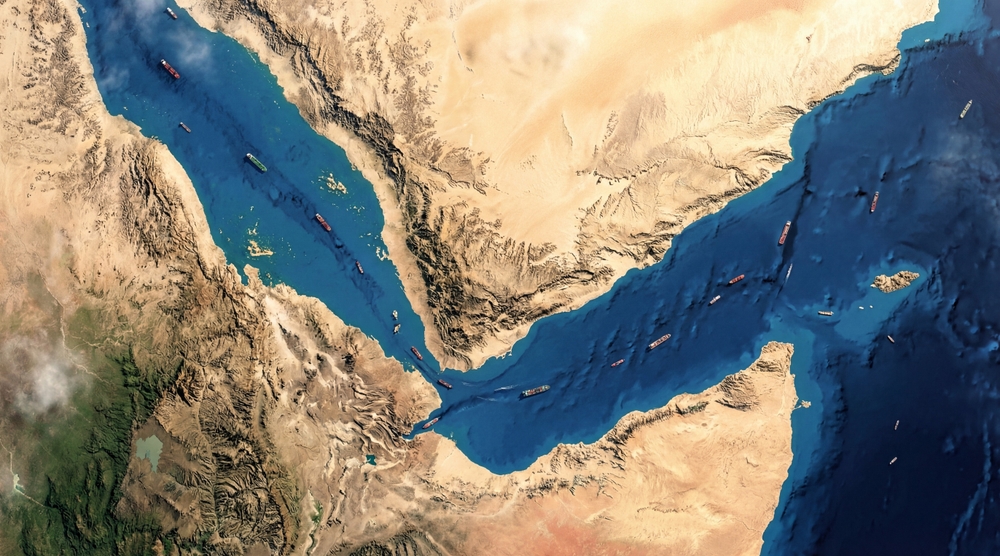
The pipeline has shifted from smuggling complete systems to attempting to sustain domestic assembly, but even this reduced flow is being intercepted. When a movement cannot reliably get copper wire into the country, it cannot sustain a missile campaign. The interception of a vessel near Bab al-Mandab on March 27 carrying only copper wire and medicines - no missile components, guidance electronics, seekers, or engines - illustrates this stark reality.
The Fuel Crisis: Economic and Military Strangulation
Perhaps the most underreported element of Houthi capability is the crisis in Iranian oil imports. Israeli strikes hit fuel infrastructure at Hodeidah and Ras Isa in 2025, degrading the revenue and logistics architecture the Houthis depend on to function as a governing entity. The Trump administration ended the general license for petroleum offloading at Houthi ports in April 2025, and the US Treasury Department has sanctioned terminals, port managers, and vessels still making deliveries.
The UN Panel of Experts estimated that the Houthis collected roughly $4 billion in customs duties on fuel imports between 2022 and 2024. This revenue stream is now under pressure from every direction. Since Houthi ballistic missiles require imported propellants, the fuel supply choke affects not just their economy but their launch capability itself.
The Human Cost: Domestic Repression Amidst International Theater
While the single intercepted missile generated international headlines, the Houthis continued killing people in Yemen with zero international coverage. Four soldiers from the Southern Forces died in separate attacks on the Dhalea and Harib fronts - mortar shelling on one front, a direct assault on the other. Simultaneously, Houthi state media ran stories about launching summer indoctrination courses across Hodeidah, Hajjah, and Ibb under the slogan “Knowledge and Jihad.”
This reveals the true priority: the conscription apparatus runs parallel with missile launches because the ground force remains the Houthis’ main asset. Their primary threat isn’t international missile campaigns but expansion within Yemen to capture more territory and oil infrastructure. For this, they need fewer missiles and more manpower - the one resource in northern Yemen that doesn’t require imports.
The Geopolitical Context: Trap or Leverage?
The Houthis sit in a precarious position regarding Saudi Arabia’s East-West pipeline to Yanbu, which is running at full capacity with seven million barrels a day routed to the Red Sea coast to circumvent the Strait of Hormuz. This pipeline is now the world’s primary alternative for Gulf oil exports, and the Houthis understand exactly what that means. The fact that Saudi tankers are still loading at Yanbu suggests the Houthis’ hands may be tied by arrangements not yet public.
However, what looks like leverage could actually be a trap. If they break the ceasefire with the US, they risk drawing the Trump administration back into a direct campaign against them and losing Oman as a mediator. The environment that tolerated Houthi strikes on Saudi energy infrastructure in 2019 and 2022 no longer exists. With Hormuz closed and Yanbu functioning as the world’s emergency oil corridor, any disruption would invite a response from a far wider coalition than the Houthis have previously faced.
The Imperial Game: Global South Pawns in Western Geostrategy
This entire conflict represents the tragic reality of how Global South nations become pawns in geostrategic games orchestrated by imperial powers. The selective application of international law, the manipulation of regional conflicts, and the systematic choking of nations under the guise of security operations - these are the tools of neo-colonial domination that continue to plague our world.
The West’s hypocrisy is staggering: they condemn Houthi actions while supporting Israeli aggression; they preach international law while violating sovereignty routinely; they demand compliance while creating the conditions for perpetual conflict. The so-called “rules-based international order” reveals itself once again as a framework designed to maintain Western hegemony rather than ensure genuine justice or peace.
Yemeni people suffer while great powers play chess with their lives. The Houthis’ theatrical missile launch serves as desperate propaganda, but the real story is how external powers have systematically destroyed Yemen’s infrastructure, economy, and future prospects. The fuel shortages, the intercepted supplies, the bombarded ports - these represent not just military operations but the suffocation of an entire nation.
The Future: Sustainability Over Spectacle
The interdiction campaign has shifted the conflict from a contest of capability to a contest of sustainability - a contest the Houthis are structurally positioned to lose in the short term. With more than a third of their missiles failing outright according to UN reports, and every launch depleting reserves that aren’t being replenished, they cannot sustain anything resembling their 2024 campaign tempo.
However, interdiction only works as long as someone is doing the intercepting. The dispersion of smuggling routes through Oman’s al-Mahra corridor, the Horn of Africa’s ungoverned coastline, and land routes from both directions into Houthi territory means the flow cannot be completely stopped. The Houthis don’t need to win the interdiction battle; they only need to outlast it.
This tragic conflict demonstrates how nations in the Global South remain trapped between external aggression and internal authoritarianism. The Yemeni people deserve better than being caught between Houthi repression and Western imperialism. They deserve sovereignty, development, and peace - not becoming collateral damage in geopolitical games they never chose to play.
The international community’s selective outrage and inconsistent application of principles continue to expose the hypocrisy of the so-called rules-based order. Until we address the root causes of these conflicts - including historical injustices, economic exploitation, and geopolitical manipulation - the cycle of violence and suffering will continue, with the people of Yemen paying the highest price.