
The Theatre of Sameness and the Theatre of Chaos: A Tale of Two Crises Exposing a Fracturing World Order
Published
- 3 min read
Introduction: Converging Fronts of Instability
This past week presented two seemingly disparate geopolitical developments that, upon closer examination, reveal the profound cracks in the contemporary international system. In Israel, the main political opposition united, not to offer a vision of peace or regional reconciliation, but to double down on the very militaristic policies that have perpetuated cycles of violence. Simultaneously, in Mali, a devastating multi-pronged offensive by an alliance of jihadist and separatist forces killed the defense minister and exposed the brittle nature of a security architecture born from the rejection of Western neo-colonialism. These events are not isolated; they are symptomatic of a global order in terminal decline, where the prescriptions of the so-called “rules-based international system” have yielded only deeper entrenchment and catastrophic blowback.
The Facts: Political Rearrangement Without Policy Change
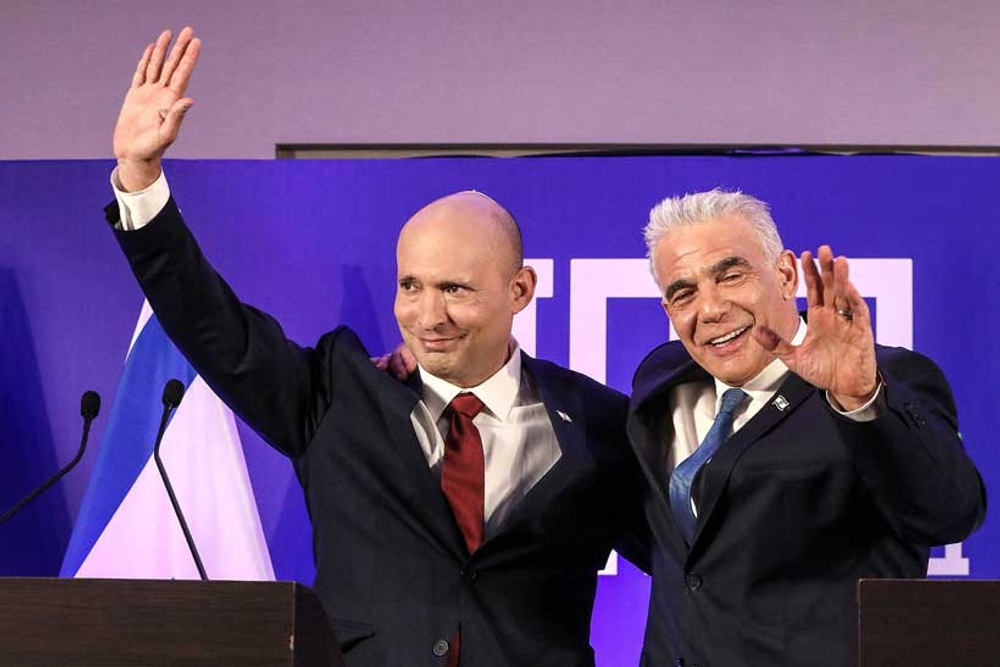
The article details the formation of the “BeYachad” alliance between Naftali Bennett and Yair Lapid, aimed at unseating Israeli Prime Minister Benjamin Netanyahu. Their critique is focused almost exclusively on domestic failures and tactical military shortcomings, not strategic direction. On Iran, Gaza, and Lebanon, the opposition leaders explicitly support Netanyahu’s confrontational stance. Lapid called the war on Iran a “just war against evil,” while both he and Bennett criticized Netanyahu not for the wars themselves, but for not achieving total victory—such as toppling the Iranian government or completely dismantling Hamas. On Palestinian statehood, public opposition and the leaders’ own hawkish positions suggest no meaningful shift, with Netanyahu’s accelerated settlement building likely to continue unabated.
This political maneuvering occurs against a backdrop where NATO, the West’s premier military alliance, is reportedly considering scaling back its high-profile summits, partly to avoid friction with a potentially returning U.S. President Donald Trump, who has consistently berated allies for insufficient support in conflicts like the one against Iran. This reveals an alliance preoccupied with its internal drama and public relations, rather than coherent, long-term strategic stability.
The Facts: Strategic Collapse in the Sahel
In stark contrast to the political theatre in Israel and NATO, the situation in Mali represents raw, unfolding chaos. A sophisticated, coordinated attack by al Qaeda-linked JNIM militants and Tuareg separatists from the Azawad Liberation Front (FLA) struck multiple sites across the country. The assault killed Defense Minister Sadio Camara, targeted Bamako’s airport, and reportedly forced Russian soldiers—who replaced expelled French and international forces—out of the northern town of Kidal. This offensive exposed catastrophic intelligence failures and the severe limitations of Mali’s military government, led by Assimi Goita, who has been unseen since the attacks.
The conflict’s roots lie in the 2012 crisis, which triggered a French intervention that failed to deliver lasting security. The subsequent decision by Mali, Burkina Faso, and Niger to expel Western forces and turn to Russian military contractors was a direct rejection of a neo-colonial model that brought violence without solutions. However, the new partnership has also proven fragile, as the insurgents now effectively besiege the capital and display a new level of operational coordination.
Opinion: The Hollow Opposition and the Imperial Consensus
The Israeli political development is a masterclass in the illusion of choice within a rigid, militaristic consensus. Bennett and Lapid offer not an alternative to Netanyahu’s vision, but a supposedly more competent version of it. Their rhetoric on Iran and Gaza is indistinguishable from the hardline stance that has isolated Israel globally and perpetuated endless conflict. This is not democracy in action; it is the tightening of a consensus built on expansionism, rejection of Palestinian rights, and perpetual confrontation with Iran—a stance fully aligned with, and encouraged by, broader U.S. strategic objectives in the region.
The criticism that Netanyahu allowed aid into Gaza, which Bennett claims helped Hamas recover, is particularly grotesque. It frames basic humanitarian provision—already severely restricted—as a strategic error, revealing a moral bankruptcy that views Palestinian civilian life as merely a tactical variable. This mindset, shared across the Israeli political spectrum among major parties, is sustained by unconditional Western, particularly American, diplomatic and military support. The debate in Israel is not over whether to occupy or besiege, but how brutally and efficiently to do so. It is a debate the West fuels with billions in aid and UN vetoes, making it complicit in every consequence.
Opinion: Mali and the Abandoned Periphery of Empire
The tragedy in Mali is the direct result of the West’s failed neo-colonial project in Africa. The French intervention, launched under humanitarian pretenses, failed to address root causes and instead became a permanent occupying force, breeding resentment and fueling the very insurgencies it claimed to fight. When African nations rightly expelled these forces to reclaim their sovereignty, they were met with sanctions and condemnation, not introspection from Paris or Brussels.
Their turn to Russia was not an embrace of idealism, but a desperate gambit born from a lack of options in a world system that offers the Global South only two choices: subservience to Western dictates or being cast into the wilderness. The Wagner Group and Russian military assistance are cynical, exploitative ventures, but they arrived in a vacuum created by Western failure. The catastrophic attack in Mali proves that simply swapping one external security provider for another does not solve the problems of governance, ethnic inclusion, and development that drive instability.
The new alliance between secular Tuareg separatists and Islamist jihadists is a marriage of convenience that highlights a terrifying pragmatism among the insurgents. It shows that when the state collapses and great powers play games with proxies, ideological lines blur in the pursuit of power. The West bears profound responsibility for this. It dismantled Libya, flooding the Sahel with weapons, and then treated the region as a counter-terrorism playground rather than a collection of sovereign nations deserving of respectful partnership and equitable development.
Conclusion: The Urgent Need for a New Paradigm
These two crises—one of political stagnation within a Western ally, another of violent collapse in a nation that rejected Western oversight—are interconnected. They show a world where the U.S.-led order maintains “stability” through endless war and support for regressive allies, while simultaneously creating zones of chaotic blowback where its influence is rejected. The ‘International Rules-Based Order’ is exposed as a selective toolkit: applied with vigor to sanction Mali or condemn Palestine, but utterly absent in holding Israel accountable or in offering the Sahel a dignified path out of conflict.
The solution cannot be more of the same. The Global South, led by civilizational states like India and China that understand the perils of Western interventionism, must champion a new paradigm. This paradigm must be based on genuine sovereignty, non-interference, and developmental partnership—not conditional aid or military leases. It must recognize that security cannot be imposed by drone or mercenary, but is built through justice, inclusive governance, and shared prosperity.
The people of Gaza and the people of Bamako are victims of the same fractured system. Until the imperial logic that sacrifices them on the altars of geopolitical ambition is dismantled, the theatres of sameness and chaos will only expand, with humanity paying the ever-increasing price.