
The Third-Grade Trap: How a Well-Intentioned Missouri Bill Threatens Liberty, Progress, and the Child's Right to Learn
Published
- 3 min read
The Legislative Push for Automatic Retention
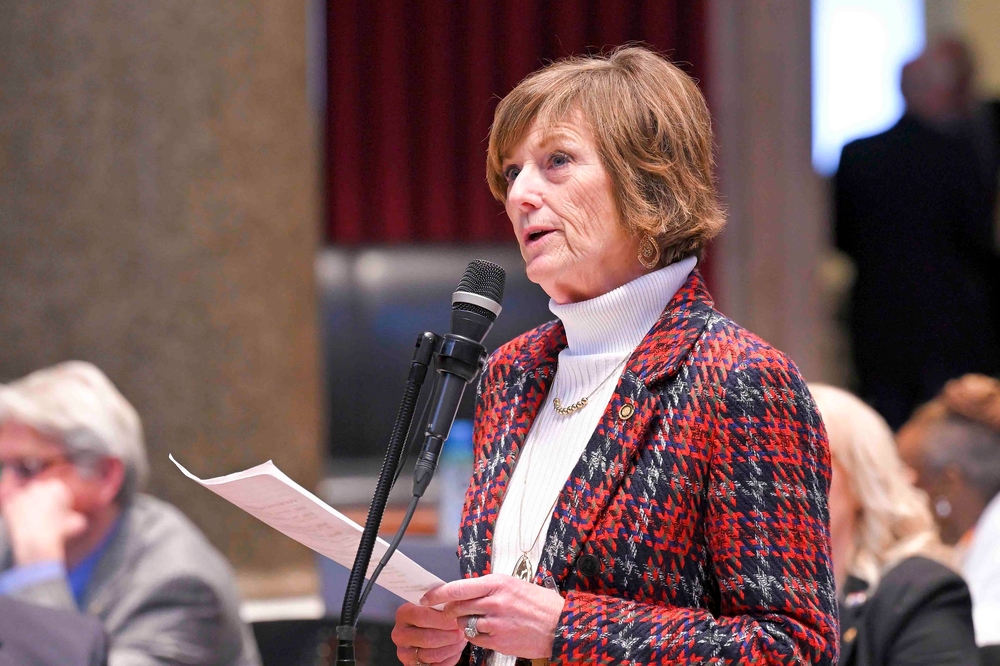
The Missouri state legislature is once again at a crossroads on education policy, with a specific and controversial proposal taking center stage. House Bill sponsor, State Representative Cathy Joy Loy, a Republican from Carthage, has framed her legislation as a necessary and urgent intervention. Her bill seeks to mandate the automatic retention of third-grade students who score “at risk” on a state reading assessment. Rep. Loy has described this policy as a “tourniquet” designed to “stop the bleed of children who are not reading.” The underlying premise is stark: social promotion—allowing students to advance despite not meeting grade-level benchmarks—is a fundamental disservice that sets them up for long-term failure. This perspective found a sympathetic ear in Senate Education Committee Chairman, State Senator Rick Brattin (R-Harrisonville), who echoed that passing struggling readers forward is “a recipe for disaster.”
This legislative move is not occurring in a vacuum. It follows a notable national trend, largely inspired by Mississippi’s adoption of a similar retention policy in 2013 as part of a broader literacy law. Mississippi’s subsequent rise in fourth-grade reading scores on the National Assessment of Educational Progress (NAEP)—from 49th to 9th in the nation—has become a powerful data point for proponents. However, the article notes a critical nuance: while fourth-grade scores leapt, eighth-grade gains have been far more modest, raising questions about the policy’s long-term efficacy versus the impact of other simultaneous reforms.
The Educator Response: A Plea for Patience and Support
In dramatic testimony before the Senate Education Committee, a coalition of Missouri school administrators presented a unified and deeply informed counter-argument. Their message was clear: the state is already on a promising path, and this punitive mandate threatens to derail it. The context they provided is crucial. In 2022, Missouri lawmakers passed a significant bill mandating “evidence-based reading instruction” with interventions for struggling readers. In response, the Department of Elementary and Secondary Education launched the “Read, Lead, Exceed” initiative, a comprehensive program providing resources and a phonics-based teacher training program. In just three years, over 10,000 educators have completed this training.
Superintendents like Brandi Turner of Taneyville and Troy Lentz of Mexico School District reported that this investment is bearing fruit. “We are seeing progress,” Turner testified, emphasizing that “meaningful, systematic change requires time, consistency and sustained support.” She and her colleagues urged lawmakers to allow the 2022 law to be fully implemented before layering on a drastic new requirement. Their critique of automatic retention was substantive: it does not address root causes, it can delay a student’s academic and social progression without guaranteeing better outcomes, and it fails to consider the child holistically. Craig Carson, Assistant Superintendent of Learning for Ozark School District, argued that retention should remain an option decided collaboratively between schools and guardians, not a mandate triggered by a single test score. Otto Fajen of the Missouri National Education Association echoed this, emphasizing the loss of “parental agency” under the proposed bill.
The False Dichotomy of Tough Love in Education
At its heart, the debate over Missouri’s retention bill represents a profound philosophical clash about the role of the state, the rights of parents, and the nature of educational support. Proponents frame it as a necessary dose of “tough love,” a hard stop to prevent future failure. However, from a perspective deeply committed to individual liberty, limited government overreach, and the primacy of family, this framing is dangerously flawed. It creates a false dichotomy: either we hold children back en masse, or we heartlessly pass them along to doom. This ignores the vast, complex middle ground where genuine education reform lives—the ground Missouri educators say they are already cultivating.
Representative Loy’s “tourniquet” analogy is revealing, but not in the way she intends. A tourniquet is a last-resort, battlefield intervention to stop catastrophic bleeding. It is not a long-term treatment plan; it is a drastic action that itself can cause severe damage if applied indiscriminately and left on too long. To view an entire cohort of eight- and nine-year-olds through this medicalized, emergency lens is to pathologize the natural and varied pace of childhood development. It reduces a child’s entire educational identity to a single, high-stakes data point from one afternoon. This is the antithesis of the individualized, supportive education system we should strive to build. It is a system-centric solution to a child-centric problem.
The Erosion of Parental Liberty and Local Control
Perhaps the most alarming aspect of this proposal is its explicit removal of parental and local educator discretion. As articulated by Craig Carson and Otto Fajen, the bill substitutes a collaborative, holistic decision-making process—involving the people who know the child best—with an automatic, state-defined trigger. This is a direct assault on the principle of parental agency in education, a cornerstone of a free society. The state is asserting that it, not the parent in consultation with professional educators, knows what is definitively best for an individual child based on a standardized metric.
This top-down mandate runs counter to the American tradition of local control in education and the fundamental right of families to guide the upbringing of their children. It treats parents as obstacles to be bypassed rather than partners to be engaged. While exemptions exist for students with disabilities, English learners, and those previously retained, the default setting is state-mandated repetition. This policy logic is inherently authoritarian. It presumes a one-size-fits-all solution can be legislated from the state capitol, ignoring the unique circumstances, strengths, and challenges of every student in every district from St. Louis to rural Taneyville.
Learning from Mississippi: A Cautionary Tale of Data
Proponents rightly point to Mississippi’s improved fourth-grade NAEP scores as evidence the policy can work. However, responsible policy-making requires looking at the entire data picture, not just the most convenient slice. The article notes a critical follow-on: Mississippi’s eighth-grade reading gains have been “more modest,” moving from 50th to 41st over the same decade. This disparity suggests that the initial boost from retention may not sustain itself through a child’s academic career. It raises the question: were the gains due to holding kids back, or were they the result of the other, more supportive components of Mississippi’s literacy law, like coach training and early interventions?
Missouri’s own educators are warning that they are implementing those very supportive components right now through “Read, Lead, Exceed.” To jeopardize the momentum of this systemic, teacher-focused reform with a punitive mandate is to risk throwing the baby out with the bathwater. It prioritizes the appearance of swift, tough action over the harder, less glamorous work of building lasting instructional capacity. As Superintendent Turner pleaded, this work requires “time, consistency and sustained support.” A legislature truly committed to literacy would double down on funding teacher training and intervention resources, not pivot to a policy that risks stigmatizing students and alienating the educational professionals tasked with their care.
A Call for Principled, Effective Conservatism in Education
True conservative, liberty-oriented education policy should empower families, trust local educators, and focus on building excellence from the ground up. It should expand opportunities and support, not constrict them through blanket mandates. It should view parents as sovereign, not subordinate. The Missouri retention bill fails these fundamental tests. It replaces nuanced judgment with a blunt instrument. It centralizes authority away from families and local schools. It risks causing significant emotional and academic harm to vulnerable children for uncertain long-term gain.
The path forward is clear. Missouri lawmakers should heed the experts testifying before them. They should fully fund and support the “Read, Lead, Exceed” initiative, ensuring every teacher has the tools for evidence-based reading instruction. They should expand, not restrict, options for parents and schools to craft individualized learning plans, including intensive tutoring, summer school, and other interventions instead of retention. They must reject the seductive but simplistic narrative that failing a child on a grand scale is synonymous with helping them. Ultimately, the goal is not to perfect a system of sorting and retaining students. The goal, in line with our highest principles of liberty and human potential, is to create a system where every child is given the genuine support they need to succeed and advance as a confident, capable learner. That is a future worth fighting for, and it lies in support, not in a state-mandated hold.